Design · 11 min read
2026 Subaru Outback Interior and Features: The Complete Cabin Guide
Subaru rebuilt the Outback's cabin from the ground up for 2026. Here's what changed, what it feels like from the driver's seat, and what it means for you.
By The Editorial Desk ·
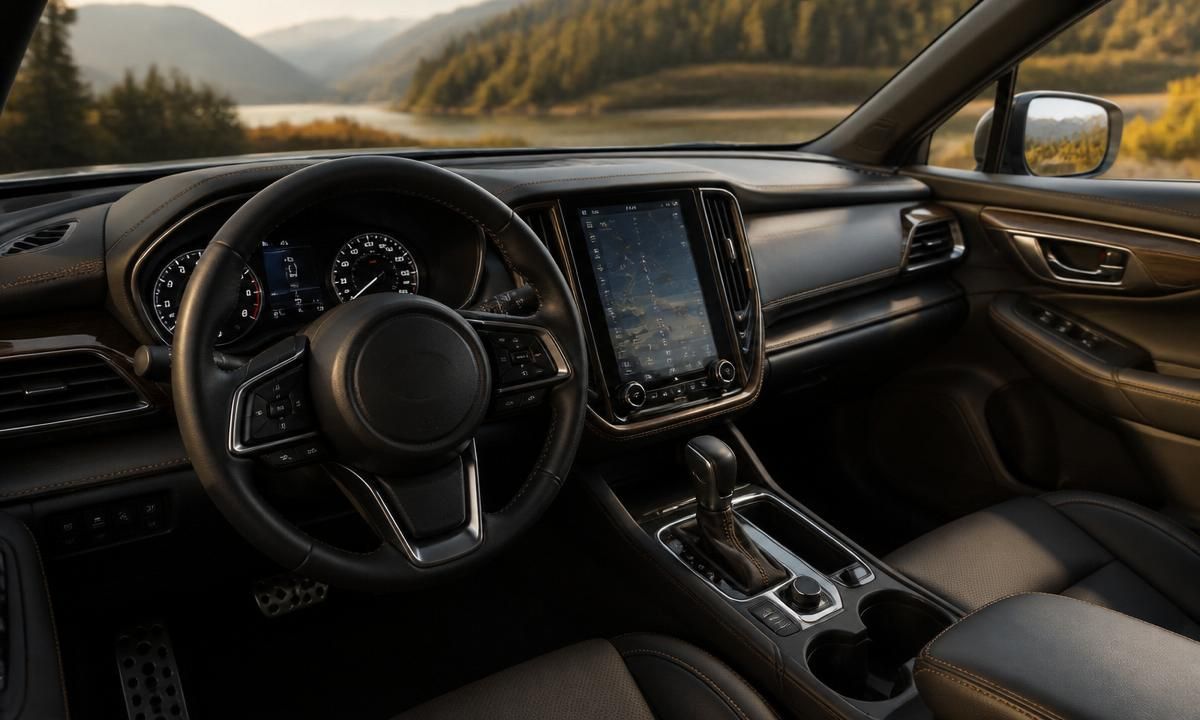
If you're cross-shopping midsize SUVs this year, the 2026 Subaru Outback interior deserves a close look. Subaru didn't just refresh the Outback for 2026 — it rebuilt the cabin from the ground up. The old wagon-inspired layout is gone. In its place is a taller, boxier body that opens up real headroom, a redesigned dashboard, and the biggest touchscreen the Outback has ever offered.
This shift matters more than it might seem at first glance. With the Legacy sedan discontinued at the end of 2025, Subaru had room to turn the Outback into a proper two-row midsize SUV, positioned between the compact Forester and the three-row Ascent. That change shows up throughout the cabin, from the new instrument cluster to the reworked center console and door panels.
This guide covers what matters for 2026: interior design and materials, seating comfort and dimensions, the new infotainment setup, cargo space, safety technology, trim-level differences, and how this generation compares to the outgoing 2025 Outback. Whether you've owned an Outback before or you're shopping the nameplate for the first time, you'll come away knowing what changed and what it means for your daily drive.
What's New in the 2026 Subaru Outback Interior?
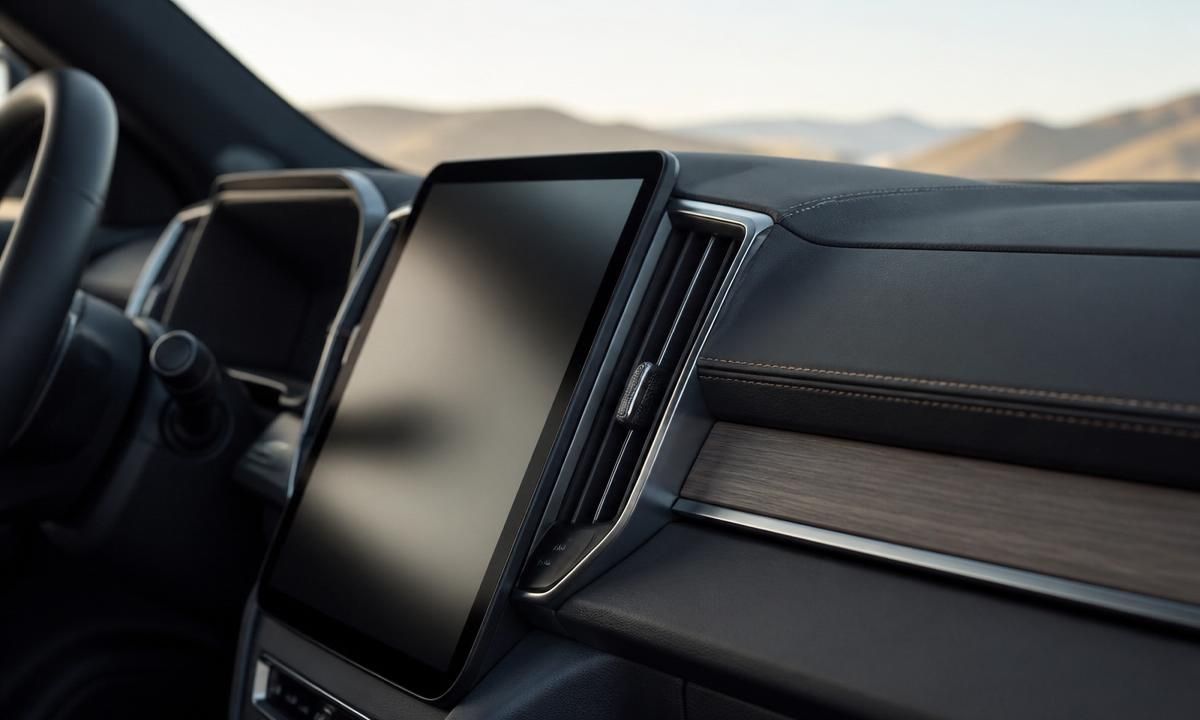
Subaru raised the roofline, flattened the roof, and squared off the front end. That extra height translates directly into more headroom for both rows, and it's the main reason the cabin feels more open than the outgoing model, even though the two SUVs sit on a similar footprint.
Here's what stands out most:
- A new 12.1-inch horizontal touchscreen replaces the old vertical, portrait-style display Outback owners have used for years.
- A 12.3-inch fully digital instrument cluster with several configurable layouts sits ahead of the driver, standard across every trim.
- Physical climate control buttons are back. Subaru moved temperature and fan controls off the touchscreen and onto real buttons and knobs below it — a change most reviewers welcomed.
- The steering wheel keeps physical controls, including audio buttons, a gauge display toggle, and a dedicated X-Mode switch that used to live on the center console.
- A conventional shifter still operates the continuously variable transmission (CVT), rather than switching to a rotary dial or push-button setup.
- Cabin materials moved up a notch across the board, especially on the dash and door panels.
If you're comparing the 2026 Outback to rivals like the Honda CR-V or Toyota RAV4, pay attention to the return of physical climate buttons specifically. It's a small detail, but it makes a real difference if you'd rather not hunt through touchscreen menus while driving on the highway.
Interior Design and Cabin Materials
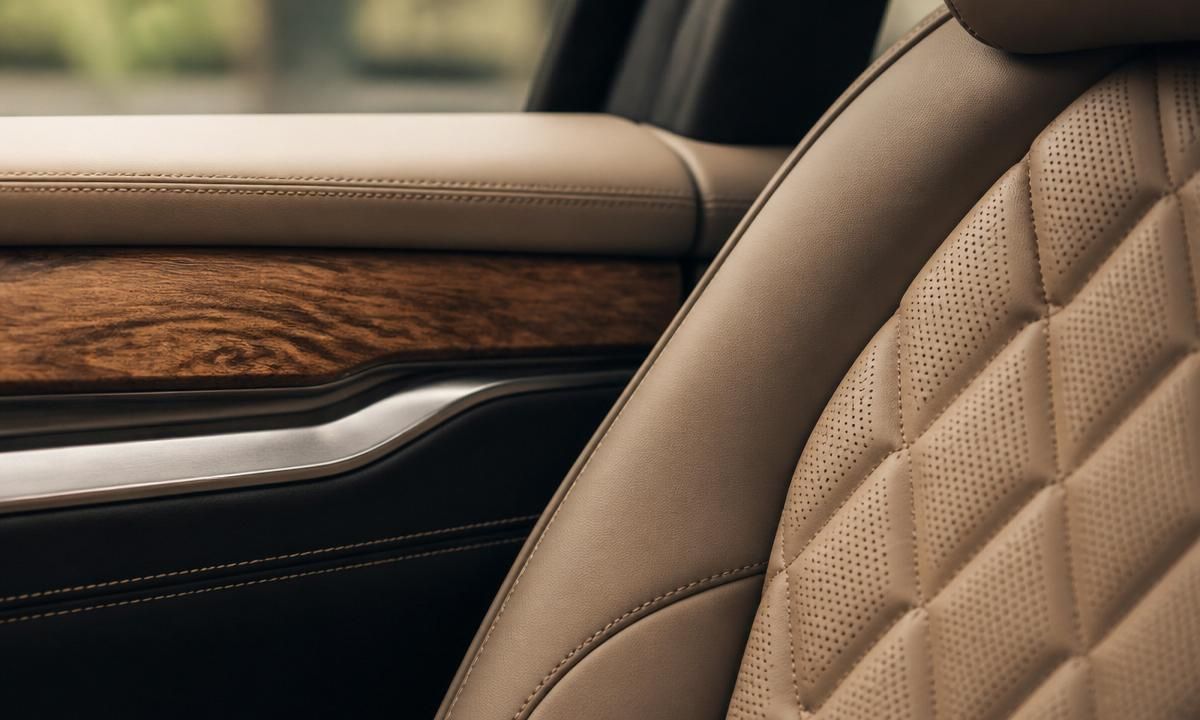
Subaru's design team aimed for a cabin that feels like a refined family SUV rather than a lifted wagon, while keeping the tall windows and wide outward visibility Outback owners have always liked.
The dashboard now has a more horizontal layout built around the new touchscreen, and the soft-touch material extends across to the passenger side instead of stopping at the driver's zone. Subaru also used some recycled materials in the cabin, including a headliner made from recycled plastic bottles.
Standard and available features across the lineup include:
- Dual-zone automatic climate control
- Heated front seats, standard on every trim
- A 10-way power-adjustable driver's seat, with 12-way seats and extended leg support on higher trims
- A leather-wrapped, multi-function steering wheel
- A power tailgate with height memory, so you can set it to clear a low garage ceiling
- Available heated steering wheel and heated rear seats
- Available ventilated front seats, useful if you live somewhere hot and park outside
- An available power moonroof
The cabin feels more upscale than the price suggests, especially once you move past the base Premium trim into Limited and Touring territory.
Seating Comfort and Passenger Space
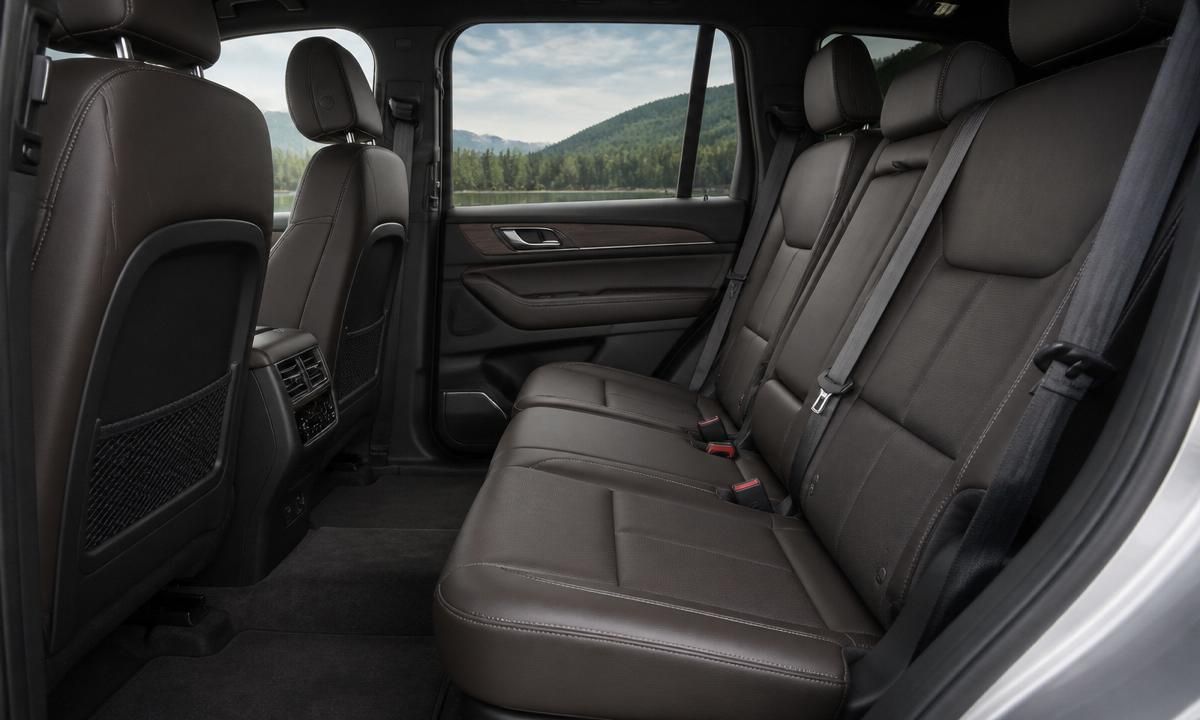
The 2026 Outback seats five across two rows, and the taller body pays off here. Front and rear headroom both increased compared to the outgoing generation, which matters most for taller drivers and rear passengers who used to feel the wagon-style roofline closing in.
Subaru's published figures put front legroom at roughly 43 inches and rear legroom around 39.5 inches — enough for adults to stretch out on a long drive rather than just tolerate a short errand.
A few details worth knowing:
- Front seats are power-adjustable on every trim, with more axes of adjustment (lumbar support, leg extension) as you move up the lineup.
- Rear seats fold in a 60/40 split, which matters more than it sounds like once you start hauling gear.
- Wide door openings and a tall ride height make it easy to get in and out — useful for parents loading car seats or anyone with mobility concerns.
Pro Tip
Don't judge interior space from the spec sheet alone. The taller roofline means headroom numbers can be misleading if you're comparing them to a lower, sportier-looking SUV with similar legroom figures. If backseat comfort matters to you, sit in the actual vehicle before deciding.
The old wagon-inspired layout is gone. In its place is a taller, boxier body that opens up real headroom, a redesigned dashboard, and the biggest touchscreen the Outback has ever offered.
Everyday Comfort and Road-Trip Features
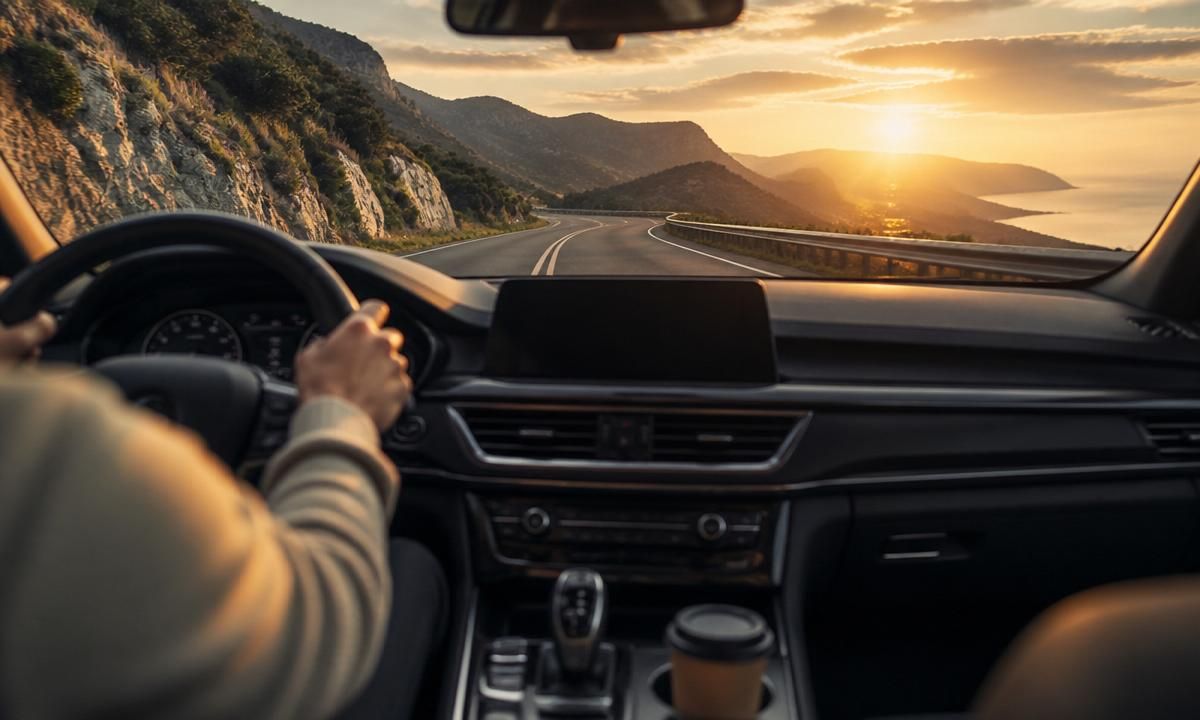
Beyond raw space, a handful of comfort upgrades make a real difference on daily drives and longer trips.
Heated front seats come standard on every trim, with heated rear seats and a heated steering wheel available on Limited and above. Ventilated front seats are available on Touring and Touring XT. Dual-zone automatic climate control is standard, and it pairs with the returning physical buttons for one less thing to fumble with while driving.
Subaru also improved sound deadening for 2026, so road and wind noise are noticeably lower on the highway than in the 2025 model.
For road trips specifically, the combination of more legroom front and rear, quieter cabin materials, and standard adaptive cruise control makes the 2026 Outback a relaxed choice for long-distance driving. Being able to adjust the temperature by feel, without glancing at a touchscreen, is also a small but real benefit on long highway stretches. If road-trip comfort is your priority, the Touring or Touring XT trim makes the biggest difference — mainly because of the ventilated seats and the quieter cabin materials.
Infotainment System and Connectivity Features
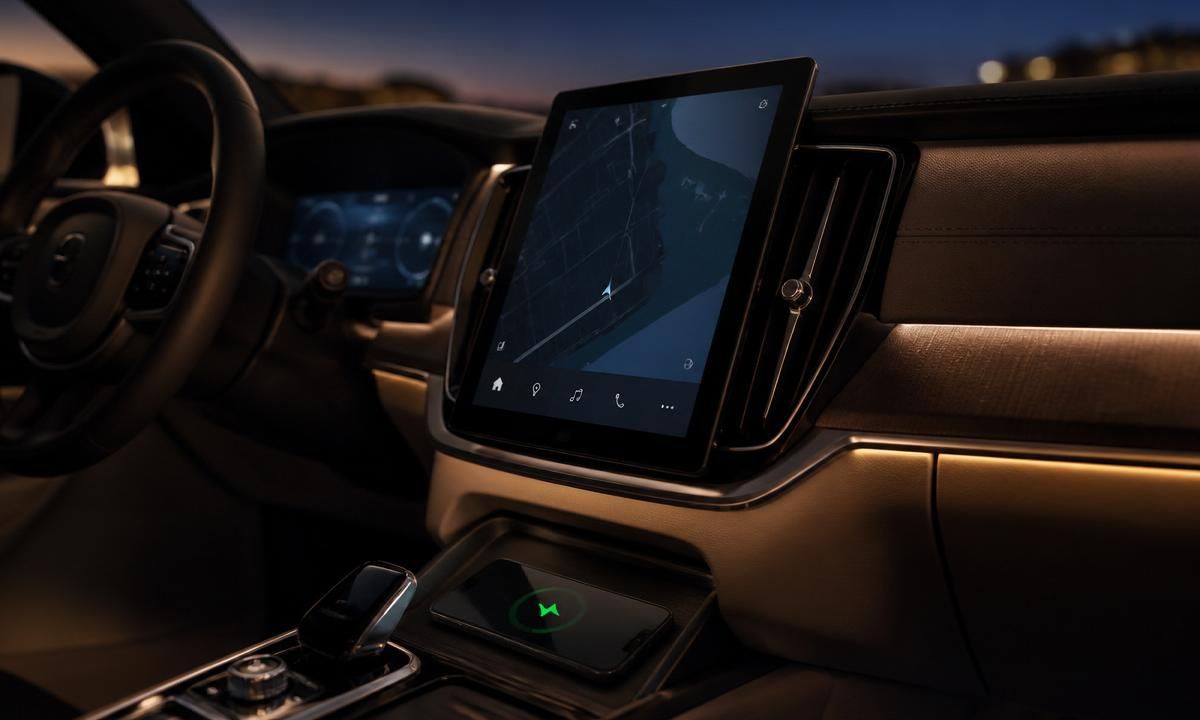
The new 12.1-inch touchscreen is bigger than before, and it also runs on a faster processor with noticeably quicker response times. That fixes a real weak point in older Subaru infotainment systems.
Key infotainment and connectivity features include:
- Standard wireless Apple CarPlay and Android Auto, so you don't need to plug in every time you get in the car
- A 12.3-inch digital instrument cluster with configurable views for navigation, driver-assist status, and trip data
- STARLINK Connected Services, Subaru's app-based and remote-connectivity suite
- USB-C charging ports in both rows on most trims
- Available premium audio, including a Harman Kardon sound system on higher trims like Wilderness and Touring
- Available embedded navigation on top trims, in addition to smartphone-based mapping through CarPlay and Android Auto
Because climate controls moved back to physical buttons, the touchscreen is now used almost entirely for infotainment, phone connectivity, and vehicle settings. That keeps the menus simpler and cuts down on taps needed for common tasks. If in-car sound quality matters to you, test-drive a Wilderness or Touring trim with the Harman Kardon system before assuming the standard audio setup will be enough — the difference is noticeable on longer highway drives.
Cargo Space and Storage
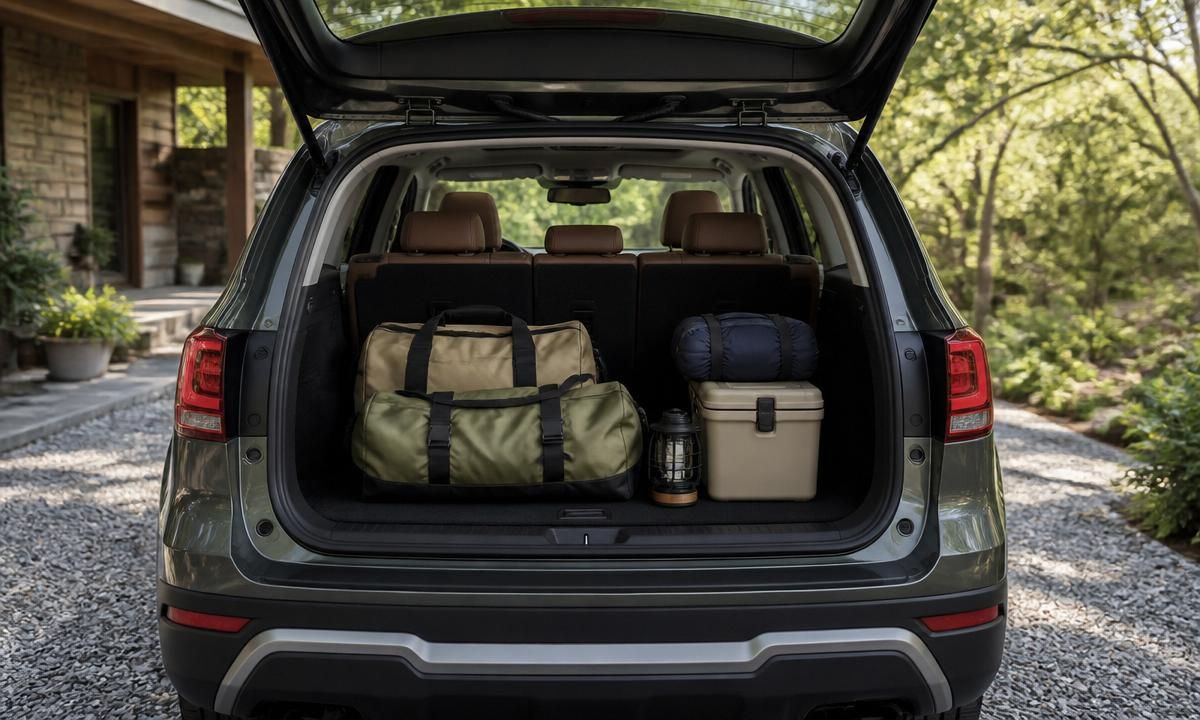
Practicality has always been part of the Outback's appeal, and the redesign keeps that reputation intact with a wider, easier-to-load cargo area behind the rear seats.
With the rear seats up, cargo capacity lands in the low-to-mid 30-cubic-foot range. Fold the 60/40-split rear seats flat and that expands to somewhere around 75 to 80 cubic feet, depending on trim and how the space is measured. That's enough for a full grocery run, camping gear, or flat-pack furniture without much rearranging.
Storage and practicality highlights:
- A wide, low load floor makes it easy to slide heavy items in and out
- Tie-down points and available rubberized cargo mats help secure coolers, strollers, and gear on rougher roads
- Roof rails support a substantial load for rooftop cargo boxes or bike racks
- LED cargo area lighting is available on higher trims
- Door pockets fit larger water bottles, and the center console has enough room for tablets, sunglasses, and everyday items
The Wilderness trim adds a few adventure-specific touches, including all-weather floor mats and water-repellent StarTex upholstery that holds up to muddy gear and wet dog paws better than cloth or leather. Cargo figures vary by source and by whether they're measured to the roof or to the window line, so treat published cubic-foot numbers as a general guide rather than an exact promise.
Safety Features and Driver Assistance Technology
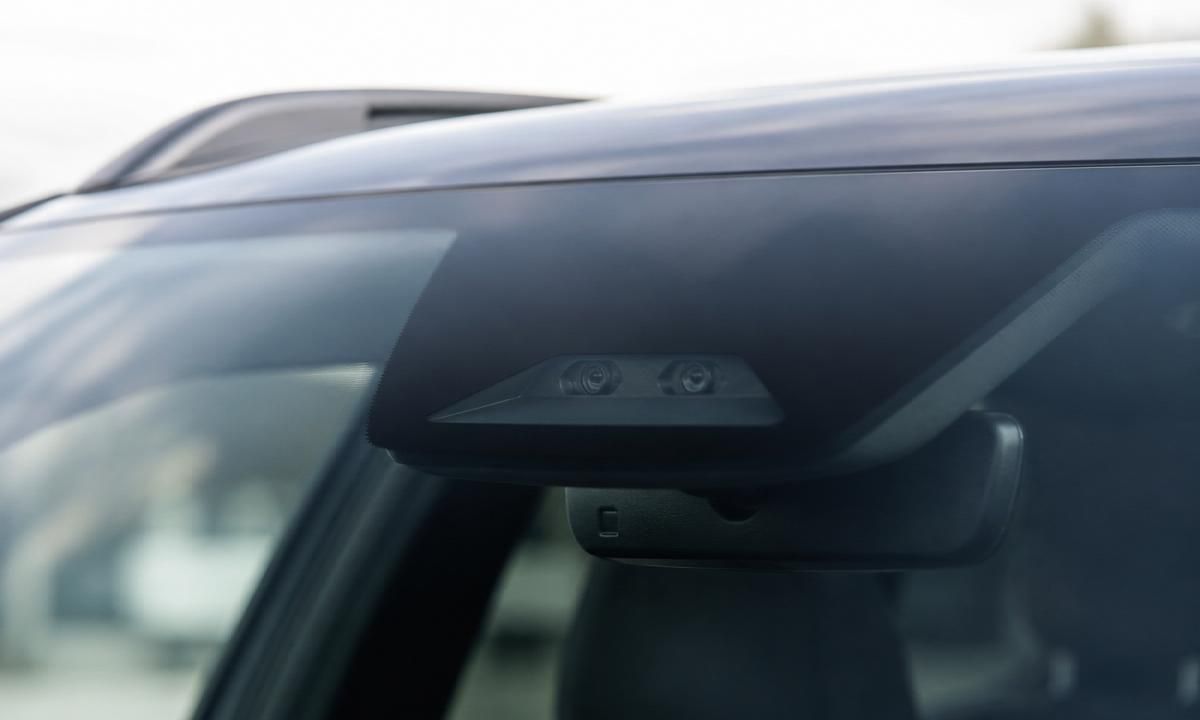
Safety has long been part of the Outback's identity, and the 2026 model runs the latest version of Subaru's EyeSight Driver Assist Technology on upgraded camera and radar sensors.
EyeSight comes standard on every trim, so you don't have to pay extra or move up the lineup to get it. Standard EyeSight features include:
- Pre-collision braking
- Adaptive cruise control with lane centering
- Blind-spot detection
- Rear cross-traffic alert
- Reverse automatic braking
- A standard rear-vision camera
Higher trims add more: an available 360-degree surround-view monitor for tight parking spots, and EyeSight Highway Hands-Free Assist on the Touring and Touring XT trims, which allows limited hands-free driving on approved highways at speeds up to 85 mph. Subaru's DriverFocus system monitors the driver and hands control back if it detects inattention.
Good to Know
EyeSight and similar driver-assist systems are aids, not replacements for an attentive driver. Weather, road conditions, and vehicle maintenance can all affect how well they work, so treat them as a safety net rather than a substitute for paying attention. If you're new to shopping SUVs with advanced driver-assist systems, ask for a test drive that includes a stretch of highway — adaptive cruise control and lane centering feel different in practice than they look on a spec sheet.
Interior Colors, Upholstery, and Trim-Level Features
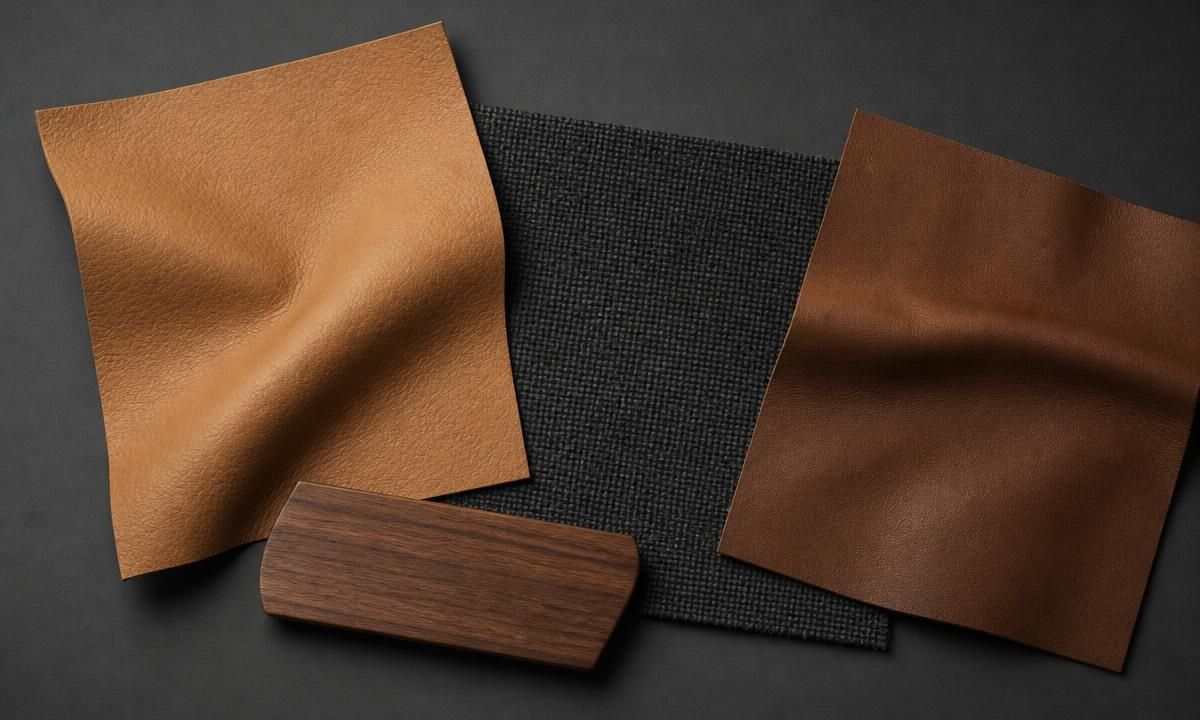
The 2026 Outback comes in six trim levels, and interior materials shift as you move up the lineup, from cloth-and-synthetic blends to Nappa leather.
| Trim | Engine | Interior Highlights |
|---|---|---|
| Premium | 180-hp 2.5L | Cloth/synthetic seating, 12.1" touchscreen, 12.3" digital cluster, heated front seats, power driver's seat |
| Limited | 180-hp 2.5L | Leather-trimmed seating, upgraded audio, 17-inch alloy wheels, power moonroof |
| Limited XT | 260-hp 2.4L Turbo | Limited features plus the turbocharged engine and added towing capacity |
| Wilderness | 260-hp 2.4L Turbo | StarTex water-repellent upholstery with contrast stitching, all-weather mats, raised suspension, off-road hardware |
| Touring | 180-hp 2.5L | Nappa leather-trimmed seats, heated steering wheel, ventilated front seats, the fullest EyeSight feature set |
| Touring XT | 260-hp 2.4L Turbo | All Touring features plus the turbocharged engine |
A few notes on choosing between them:
- Premium is the value pick if you mainly want the new tech and safety features without paying for leather.
- Limited and Limited XT split the difference between comfort and value, adding leather trim without the full luxury package.
- Wilderness is built for trail use first — its interior materials are chosen to handle mud, water, and gear rather than pure luxury, though Subaru also offers an options package that adds Nappa leather and ventilated seats if you want both capability and comfort.
- Touring and Touring XT are worth considering if heated and ventilated seats, Nappa leather, and the most complete EyeSight suite matter to you.
Good to Know
Don't assume every available feature comes on every trim within a group. Navigation, the surround-view monitor, and premium audio often vary by specific package, so check the build sheet for the exact vehicle you're considering rather than going off the trim name alone.
2026 vs 2025: What Changed Inside
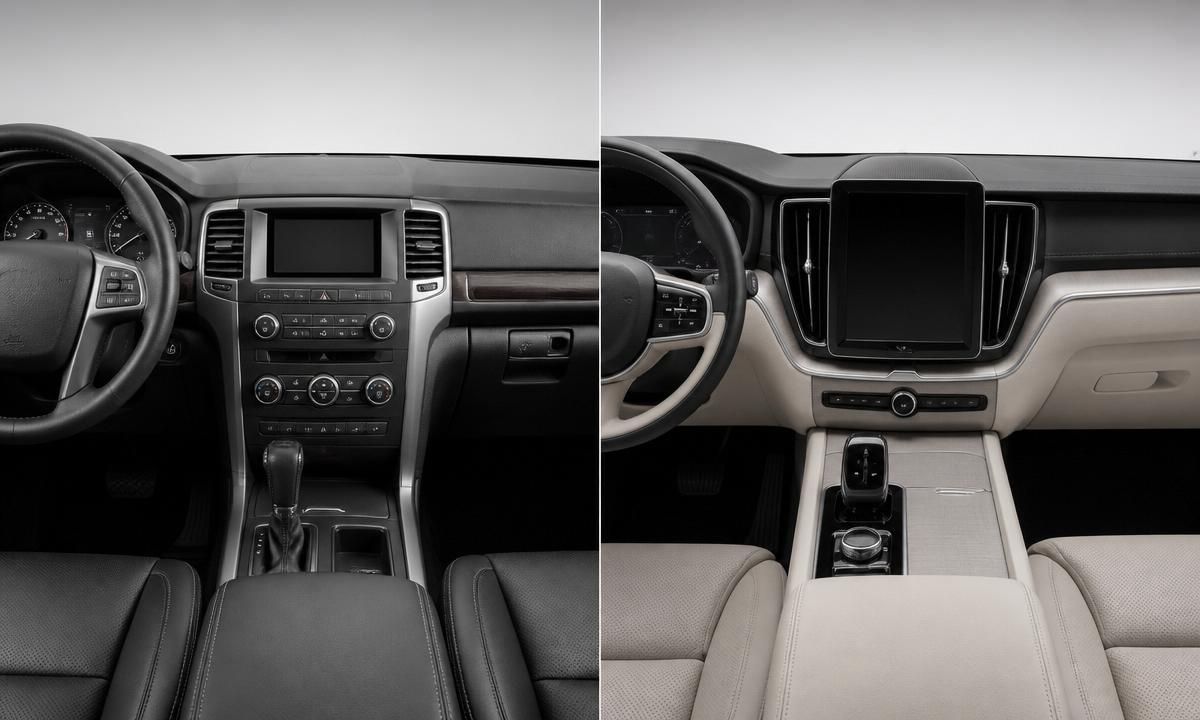
The jump from the 2025 to the 2026 Outback is the biggest change the nameplate has seen in years. Here's how the two compare inside the cabin:
| Feature | 2025 Outback | 2026 Outback |
|---|---|---|
| Body style | Wagon-inspired crossover | True two-row midsize SUV |
| Touchscreen | Portrait-oriented display | 12.1-inch horizontal touchscreen |
| Instrument cluster | Smaller digital cluster | 12.3-inch fully digital cluster |
| Climate controls | Partly touchscreen-based | Physical buttons and knobs |
| Headroom | Standard for the segment | Increased, thanks to a taller roof |
| Cabin noise | Moderate sound insulation | Noticeably improved noise reduction |
| Base pricing | Lower entry point | About $5,000 higher |
The main practical takeaway: Subaru dropped the old, lower-priced base trim, so the 2026 lineup starts at a higher price point than before. In exchange, buyers get more standard technology and safety equipment even at the entry Premium trim. The value shifted rather than disappeared.
Is the 2026 Subaru Outback Interior Worth It?
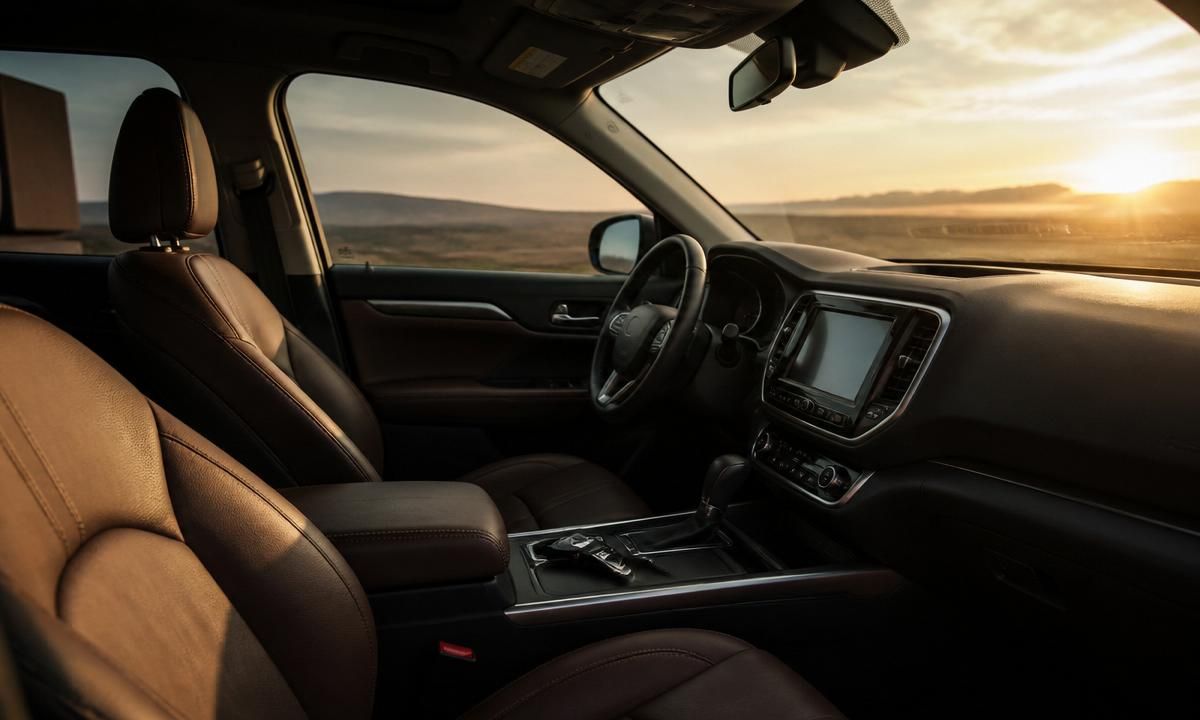
Whether the price increase is worth it depends on what you valued about the previous generation.
Pros
- A noticeably more spacious, modern-feeling cabin
- The latest EyeSight safety technology comes standard, not as a costly option
- A big, fast, easy-to-use touchscreen paired with real climate control buttons
- Genuine off-road capability in the Wilderness trim, without stepping up to a body-on-frame SUV
Cons
- The old, lower-priced base Outback trim is gone, so budget-focused buyers pay more to start
- The wagon-like silhouette of previous generations is gone, replaced by a taller SUV-style body
- Extra ground clearance and off-road hardware go underused for buyers who mainly drive in the city
For most buyers, the interior upgrades alone — the bigger screen, the return of physical climate buttons, the extra headroom, and standard EyeSight across the board — justify a serious look, even with the higher starting price. It's a genuinely different vehicle from the 2025 model, not just a styling refresh.
Does the 2026 Subaru Outback have a bigger touchscreen than before?▾
Yes. The 2026 Outback switches to a 12.1-inch horizontal touchscreen, replacing the older portrait-oriented display, and it runs on a faster processor for quicker response times.
How many people can the 2026 Outback interior seat?▾
Five people across two rows, with standard power-adjustable front seats and a 60/40-split folding rear seat.
Is the 2026 Outback still a wagon?▾
No. The redesign moves the Outback into true midsize SUV territory, with a taller, boxier body that sits between the Forester and the three-row Ascent in Subaru's lineup.
What is the cargo space of the 2026 Subaru Outback?▾
Roughly low-to-mid 30 cubic feet behind the rear seats, expanding to about 75 to 80 cubic feet with the rear seats folded, though exact figures vary by trim and measurement method.
Does the 2026 Outback come with heated seats standard?▾
Yes. Heated front seats are standard across the entire lineup, with heated rear seats and a heated steering wheel available on higher trims.
Which 2026 Outback trim has Nappa leather?▾
Nappa leather-trimmed seating is available on Touring and Touring XT, and as part of an options package on Wilderness.
Is EyeSight standard on all 2026 Outback trims?▾
Yes, from Premium to Touring XT, including pre-collision braking, adaptive cruise control, and blind-spot detection.
What's the difference between the Outback and Outback Wilderness interior?▾
The Wilderness trim uses durable, water-repellent StarTex upholstery with contrast stitching and all-weather floor mats built to handle mud and gear, while other trims lean more toward cloth or leather comfort.
Does the 2026 Outback support wireless Apple CarPlay and Android Auto?▾
Yes, on every trim, so you can connect your phone without plugging in a cable.
How much does the 2026 Subaru Outback cost?▾
Pricing starts at $34,995 MSRP for the Premium trim, before a destination fee of about $1,450. Top-trim Touring XT pricing runs close to $47,000 MSRP. These figures are worth confirming with a local dealer since pricing and incentives change.
Is the 2026 Outback interior quieter than the 2025 model?▾
Yes. Subaru improved sound insulation and cabin materials for 2026, reducing road and wind noise compared to the outgoing generation.
What is the top trim of the 2026 Subaru Outback?▾
The Touring XT sits at the top of the lineup, combining the Touring trim's Nappa leather interior and full EyeSight feature set with the turbocharged 260-hp engine.
The 2026 Subaru Outback interior is the biggest change this nameplate has seen since it launched in 1994. Subaru swapped the wagon-style cabin for a taller, SUV-style layout, and the result touches almost everything you interact with behind the wheel. The larger touchscreen, the fully digital instrument cluster, and the return of physical climate buttons make daily driving simpler rather than more complicated. Standard EyeSight safety technology across every trim adds real peace of mind, whether you're driving carpool lines or a cross-country road trip. Extra headroom, quieter cabin materials, and more thoughtful storage round out a more comfortable interior than the outgoing model offered.
The starting price is higher than before, but the equipment list justifies it for most buyers. If you're comparing midsize SUVs this year, the 2026 Outback earns a spot on your test-drive list. Sit inside it, try the tech, and see how the cabin fits your daily life before you decide.
Note
Pricing, specifications, and available features can change and may vary by region. Confirm current details with an official Subaru dealer before making a purchase decision.
Continue reading