Buyer's Guide · 13 min read
Subaru Outback: Complete Wiki, Meaning, History & Buying Guide
Three decades of one reliable answer to a hundred questions — where the Outback came from, what the 2026 redesign changes, and what to know before buying.
By Editorial Team ·
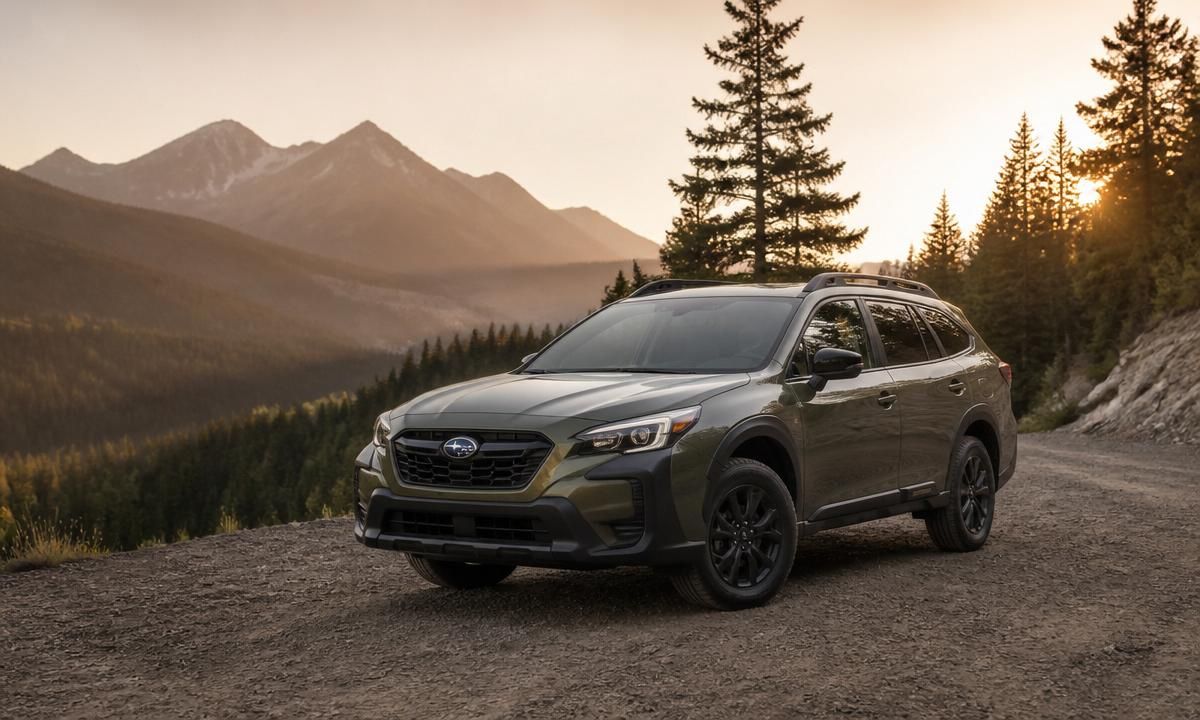
There's a particular kind of car that earns loyalty not through spectacle, but through repetition — the same reliable answer to a hundred different questions. Where do we put the dog. Can it handle the gravel road to the cabin. Will it start in February. The Subaru Outback has spent three decades quietly being that answer, and for 2026 it has changed almost everything about itself while somehow staying exactly the same.
Its name borrows from the wild, sunburnt interior of Australia — a nod to a vehicle built to go beyond where the pavement ends. What follows is a field guide to that vehicle: where it came from, what it's become, and what to know before you sign anything.
How the Subaru Outback Has Evolved Over the Years
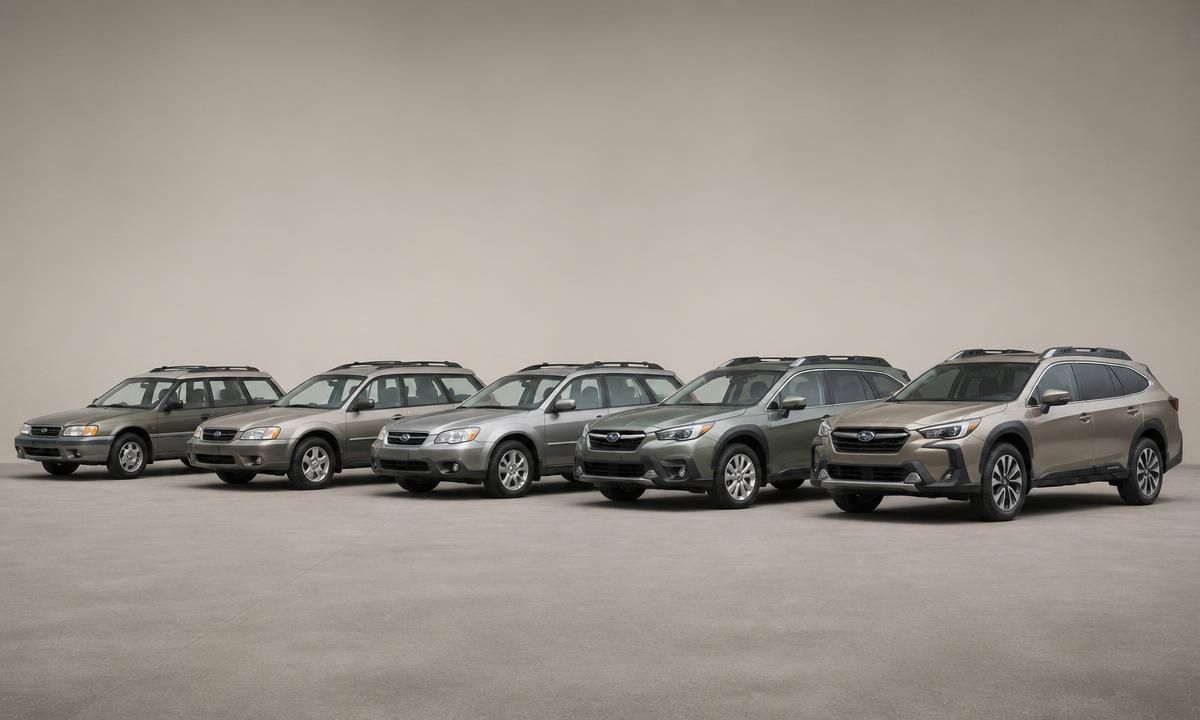
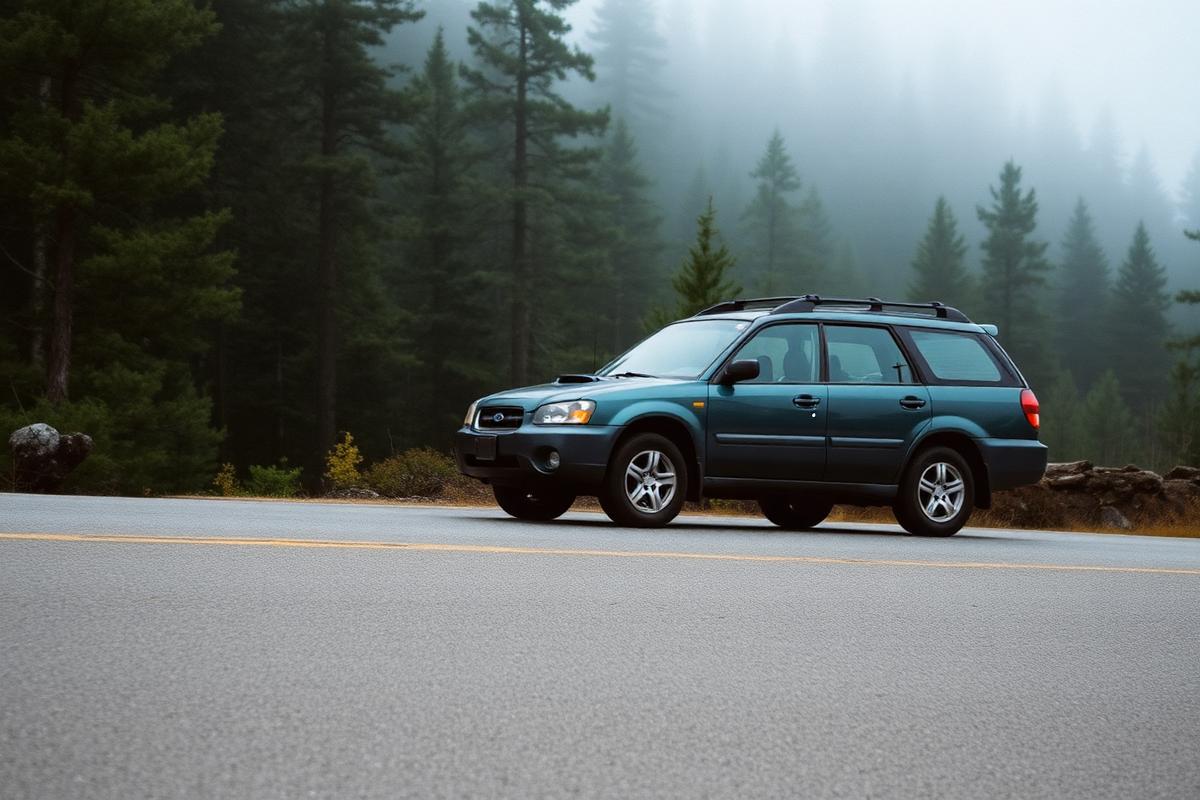
The story begins in 1994, at the New York Auto Show, with a raised and body-clad version of the Legacy wagon — enough ground clearance and rugged trim to compete with SUVs without their weight, thirst, or price tag. Subaru gave it its own name and identity around 2000, and from there the Outback settled into a five-to-seven-year rhythm of reinvention: sturdier platforms, the arrival of EyeSight driver-assist technology mid-decade, and the debut of the off-road-leaning Wilderness trim in 2020.
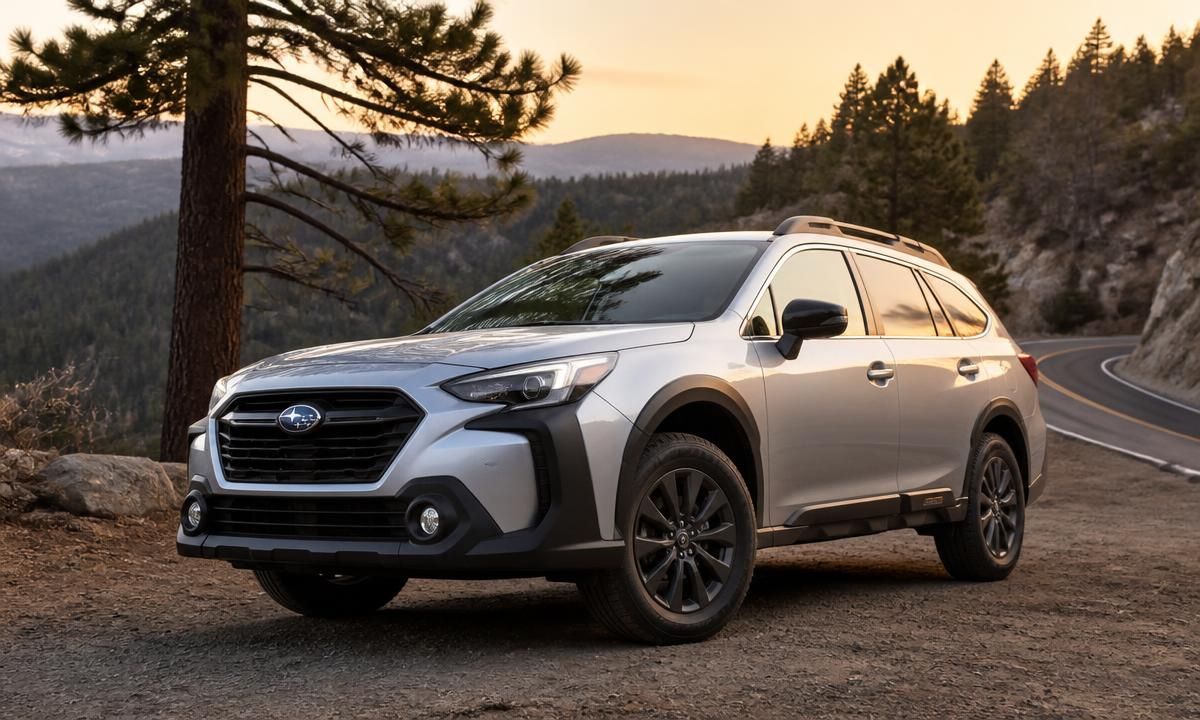
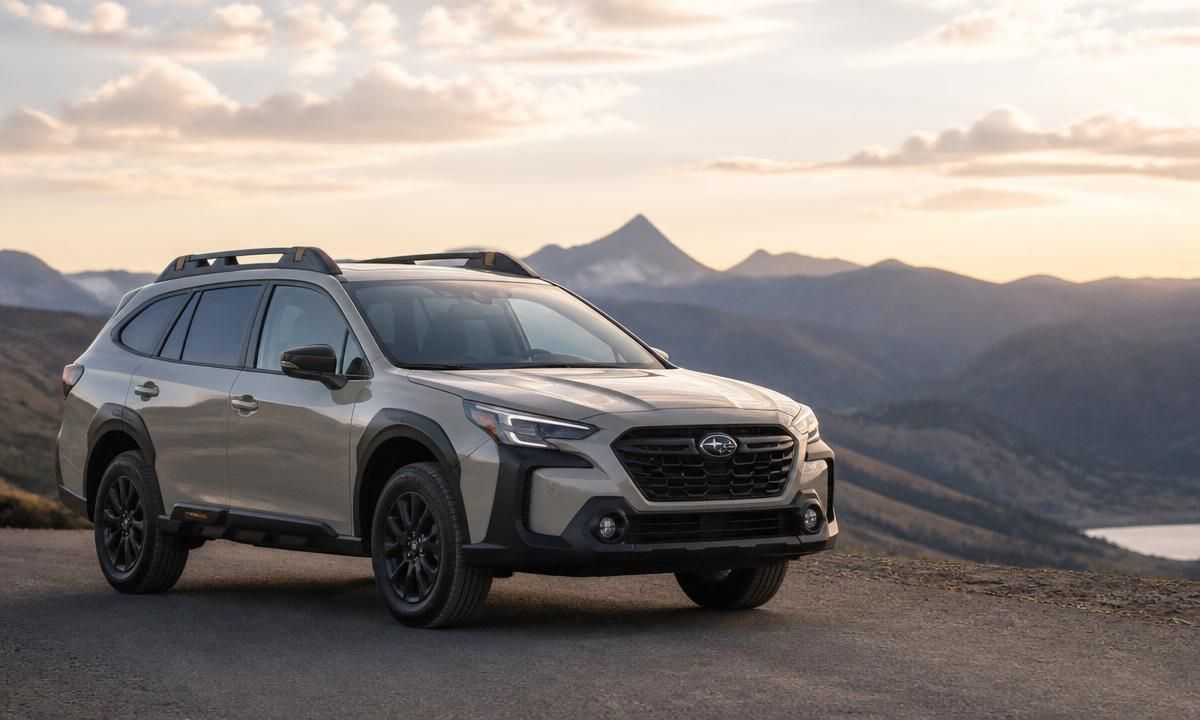
The 2026 model marks the biggest break yet. With the Legacy sedan discontinued, the Outback was freed to become its own standalone SUV — 1.4 inches taller, boxier, and unmistakably its own thing rather than a dressed-up wagon.
Key Features That Make the Subaru Outback Stand Out
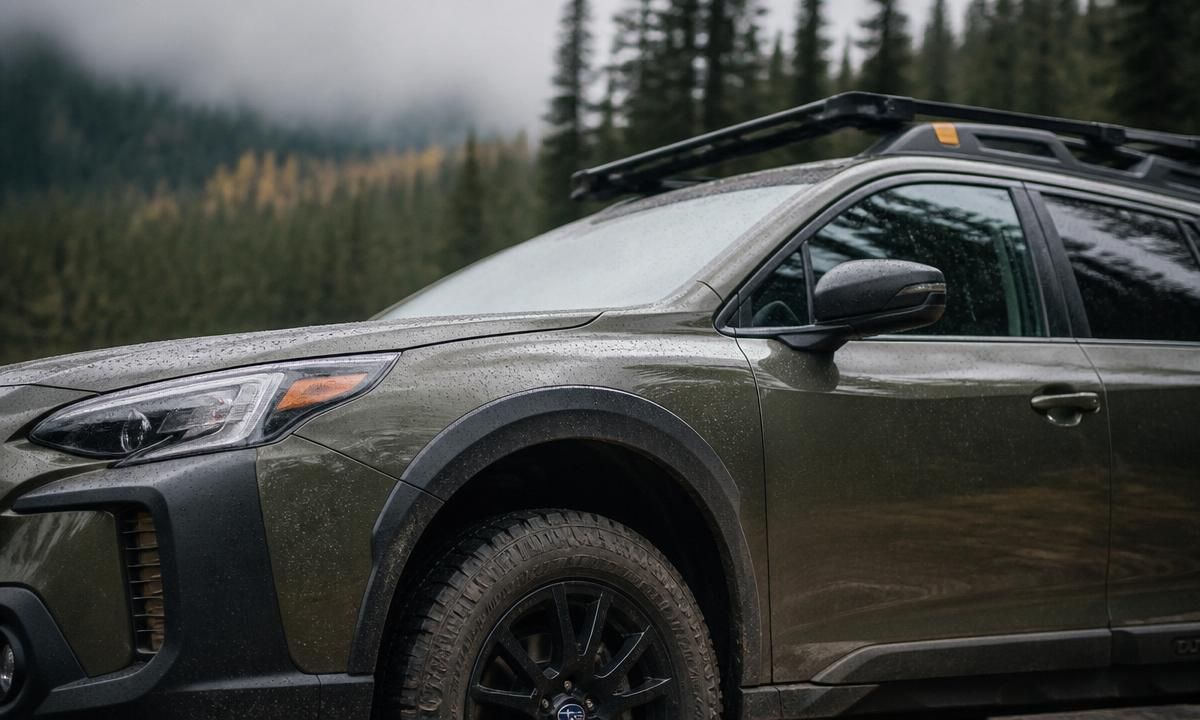
Standard all-wheel drive on every trim, not just the expensive ones. At least 8.7 inches of ground clearance, more on the Wilderness trim, which adds reinforced bumpers and all-terrain tires as a factory option rather than an aftermarket compromise. A reputation for longevity that Subaru itself points to: a large share of Outbacks sold in the last decade are still registered and on the road.
None of this is flashy. It's a vehicle built for the space between a rugged off-roader and a soft crossover — for people who want capability without giving up comfort or everyday drivability.
The Outback was never trying to win an argument about horsepower. It was trying to be the one car that shows up, every time, in every condition.
Subaru Outback Engine Options and Performance
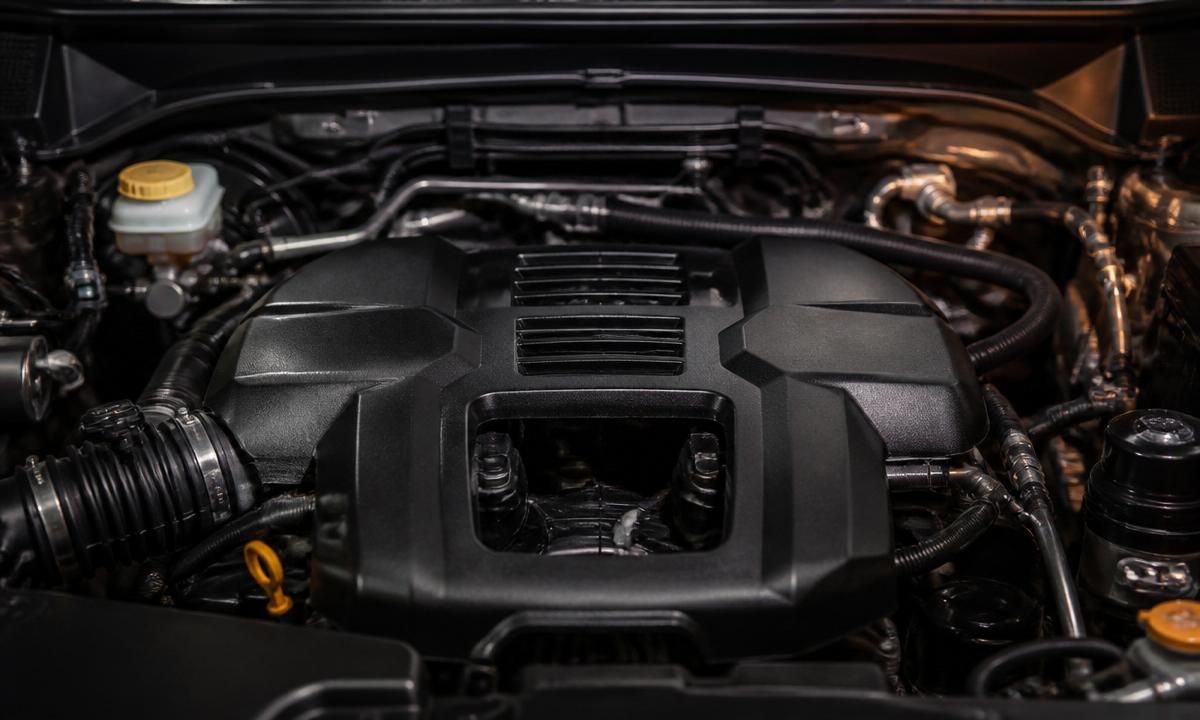
Two horizontally opposed four-cylinders carry the 2026 lineup, both paired with a CVT and standard AWD.
| Engine | Output | Trims | 0–60 mph |
|---|---|---|---|
| 2.5L naturally aspirated | 180 hp / 178 lb-ft | Premium, Limited, Touring | ~8.8 sec |
| 2.4L turbocharged | 260 hp / 277 lb-ft | Limited XT, Touring XT, Wilderness | ~6.5 sec |
The base engine favors calm, efficient daily driving; the turbo trades a little fuel economy for real mid-range confidence when towing or passing. Towing tops out at 3,500 pounds — enough for a small trailer, not a horse.
Interior Comfort, Cargo Space, and Technology
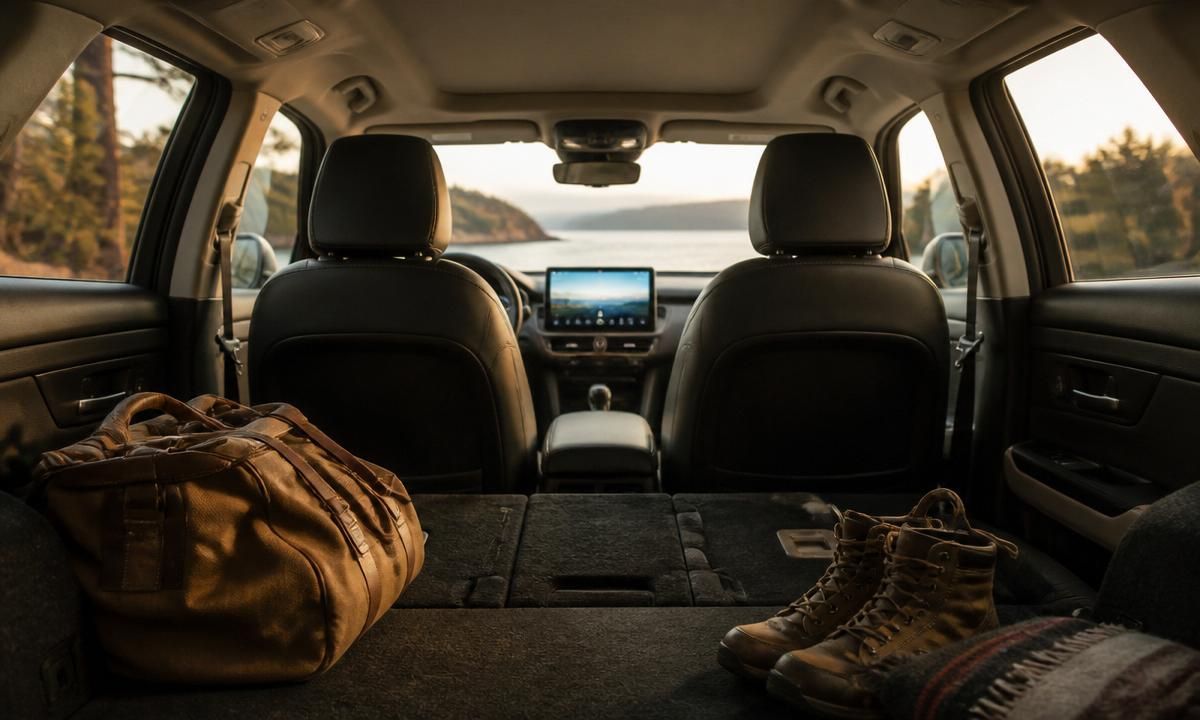
Every 2026 trim gets a 12.1-inch touchscreen and a 12.3-inch digital gauge cluster, wireless CarPlay and Android Auto included — a real leap from the previous generation's tall portrait display. Space follows the same generosity: up to 43 inches of front legroom, 34.6 cubic feet of cargo room behind the rear seats, expanding to roughly 80.5 cubic feet with them folded flat.
Higher trims lean into quiet luxury — Nappa leather, ventilated seats, a Harman Kardon sound system, a 360-degree surround-view monitor — without ever quite calling itself a luxury car.
Safety Features and Driver Assistance Systems
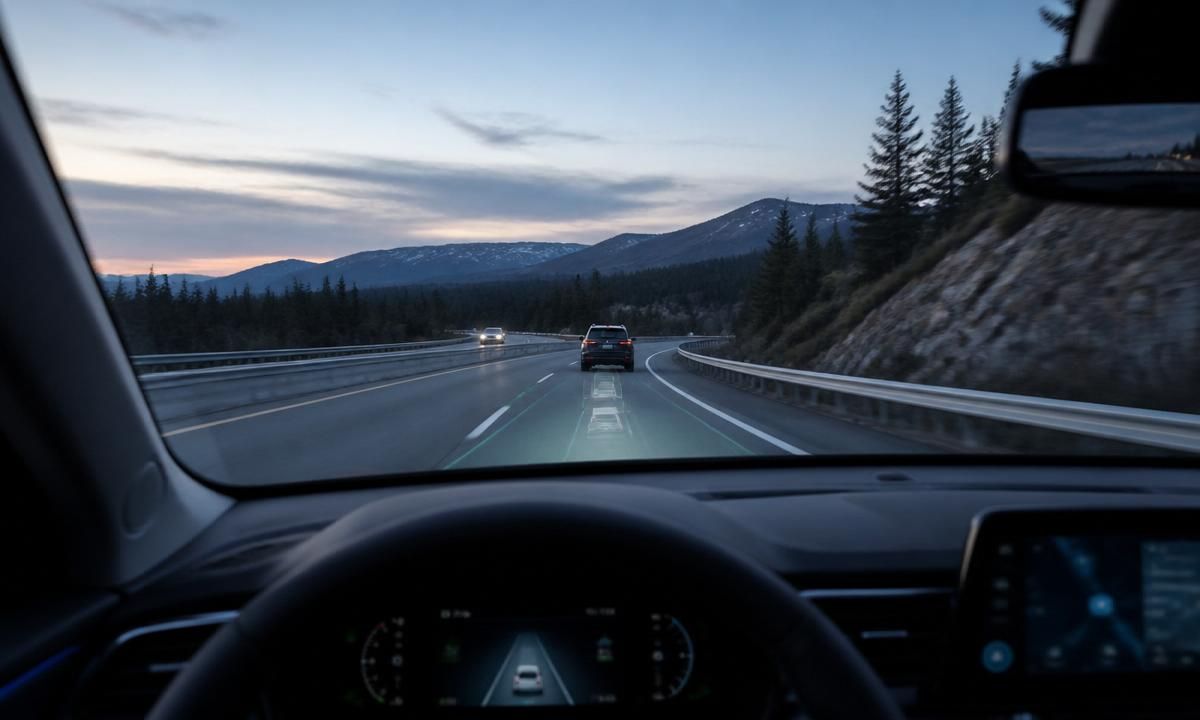
The 2026 Outback earned an IIHS Top Safety Pick+ award under the institute's toughest criteria yet — a "Good" rating in the updated moderate overlap test, now scored with a rear-seat dummy for the first time. Every trim includes Subaru's EyeSight suite as standard: adaptive cruise with lane centering, pre-collision braking, automatic emergency steering, and curve-adaptive LED headlights.
Higher trims add a hands-free highway driving system, usable up to 85 mph on compatible roads, plus a surround-view monitor and driver-attention monitoring. Not every EyeSight feature is standard across every trim — worth checking closely before you fall in love with a spec sheet.
Fuel Economy, Maintenance Costs, and Ownership Experience
The base engine returns up to 25 mpg city and 31 highway; the turbo trims settle closer to 21/27–29. With an 18-gallon tank, real-world range can approach 486 miles on the efficient end.
Day-to-day costs sit in the middle of the pack for the segment, with a few Subaru-specific habits worth keeping: replace all four tires together with matching tread depth, since the symmetrical AWD system is sensitive to mismatches, and don't treat CVT fluid as lifetime-and-forgotten. Owners who follow both tend to be rewarded with strong long-term reliability and reasonable resale value.
Common Subaru Outback Problems and How to Avoid Them
Older Outbacks (largely 1996–2009) carried a well-known head gasket weakness, since resolved through redesigned multi-layer steel gaskets and newer engine families. Certain CVT-equipped years — 2010–2014 and 2017–2020 — saw reports of shuddering or premature transmission wear, which prompted extended warranty coverage in some cases. Oil consumption issues surfaced on 2011–2017 FB25 engines, leading to a class-action settlement.
Good to Know
None of this should scare off a buyer considering a modern Outback — but on any used model, especially pre-2015, a pre-purchase inspection checking head gasket seepage, CVT fluid condition, and outstanding recalls is worth the hour it takes.
How the Subaru Outback Compares to Other Crossover SUVs
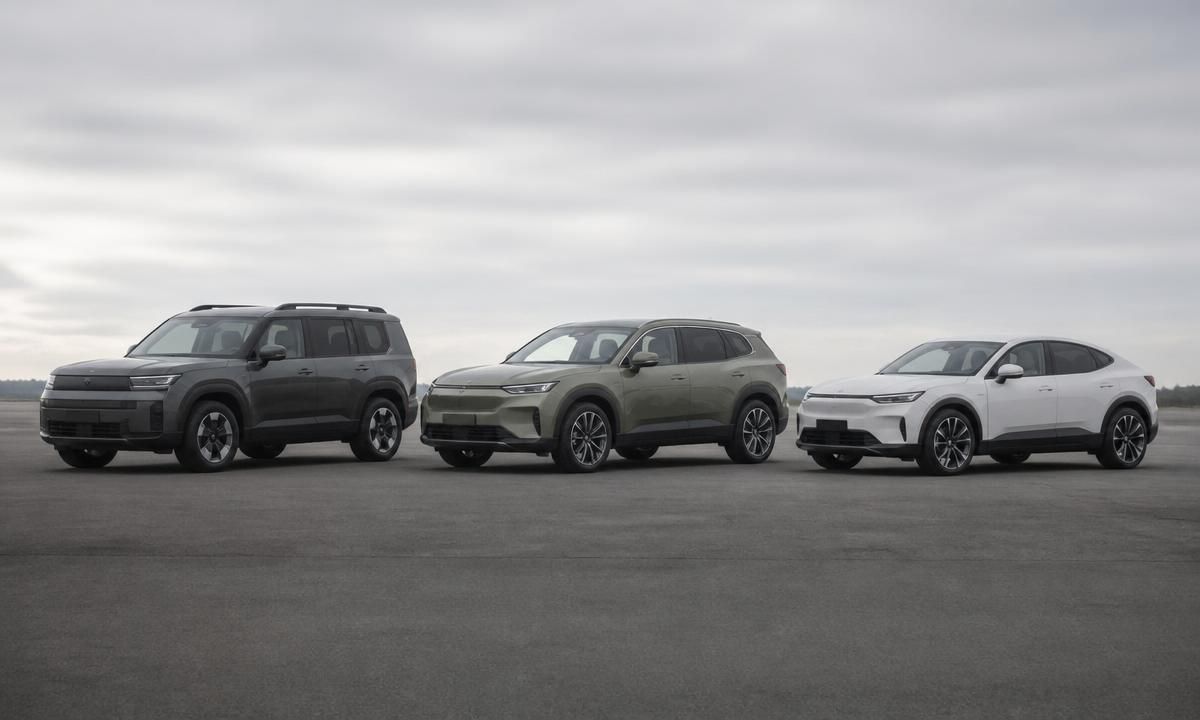
Against the Toyota RAV4, the Outback wins on cargo space (80.5 vs. 70.4 cu ft) and standard AWD, while the RAV4's hybrid lineup wins decisively on fuel economy — around 44 mpg combined. Against the Honda CR-V, the Outback again offers AWD without an upcharge and more power on turbo trims, while the CR-V is often praised for ride smoothness and resale value. Against true body-on-frame SUVs, the Outback trades extreme off-road ability for comfort, efficiency, and a car-like drive.
The short version: it's the vehicle for people who want all-weather capability and cargo room more than maximum mpg or hardcore trail credentials.
Who Should Buy a Subaru Outback?
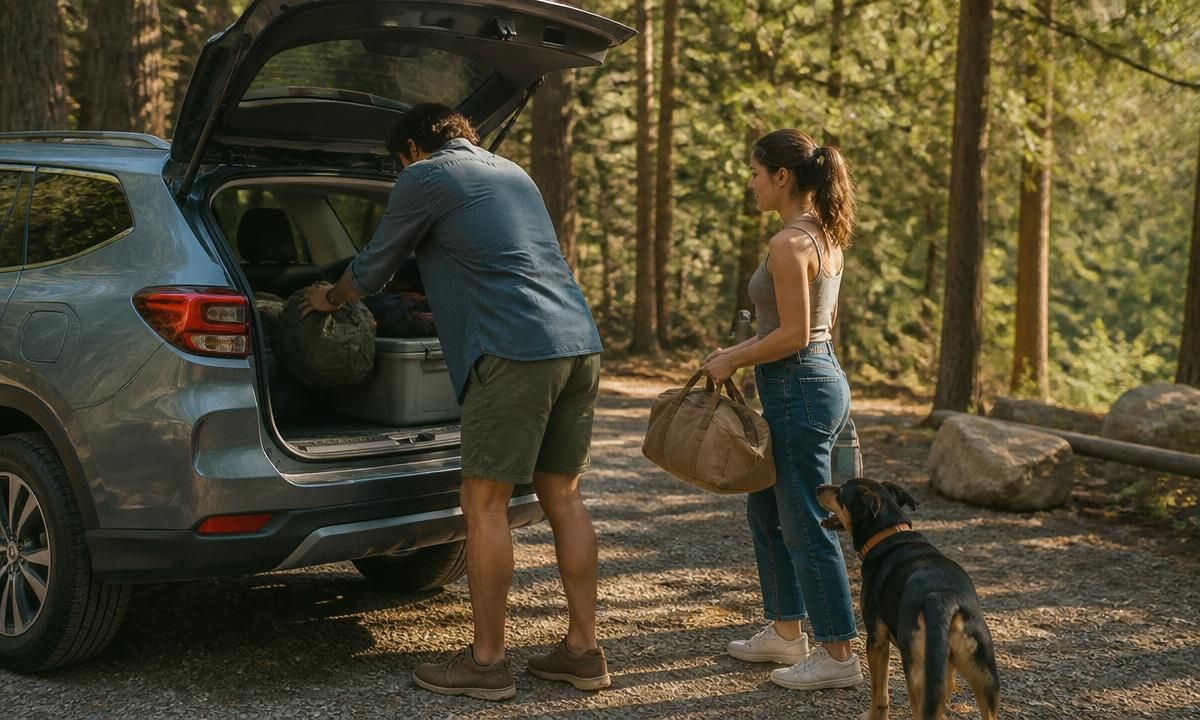
Buyers in snow, rain, or mountain regions who want AWD without an upcharge. Outdoor families who need real cargo capacity for gear, bikes, or a dog. Road-trippers who value comfort and legroom over sharp handling. Long-term owners planning to keep a vehicle for eight-plus years.
Less so: buyers chasing maximum fuel economy above all else, who'll find more in a hybrid RAV4 or CR-V — or families needing a third row, who should look at the larger Subaru Ascent instead.
Expert Buying Tips Before Purchasing a Subaru Outback

Match the engine to actual driving needs rather than the highest number on the sheet — the base 2.5L is enough for most daily use. Get a pre-purchase inspection on anything used, especially pre-2015 models. Check that all four tires wear evenly, confirm which EyeSight and comfort features are trim-specific, and ask directly about outstanding recalls. If off-roading or towing is a real part of life rather than an occasional idea, the Wilderness trim earns its price premium.
Key Takeaways
Key Takeaways
- ✓The Outback's 2026 redesign drops its wagon roots for a standalone SUV shape — taller, boxier, and no longer sharing a platform with the Legacy.
- ✓Standard AWD, strong cargo space, and an IIHS Top Safety Pick+ rating remain its core argument against rivals like the RAV4 and CR-V.
- ✓Two Boxer engines cover the range: a calm 180-hp base four-cylinder and a stronger 260-hp turbo for towing or passing confidence.
- ✓Older Outbacks carry known head gasket and CVT issues, largely resolved by 2015 — a pre-purchase inspection is cheap insurance on anything built before then.
- ✓It suits buyers who value all-weather versatility and everyday cargo room more than maximum fuel economy or hardcore off-road capability.
Continue reading