Buyer's Guide · 10 min read
Tires for Subaru Outback: OEM Sizes, AWD Rules, and How to Buy the Right Set
Most Outbacks run 225/65R17 or 225/60R18 tires, and Subaru's Symmetrical AWD demands a closer match between them than most crossovers require. Here's how to size, buy, and maintain a set correctly.
By Editorial Team ·
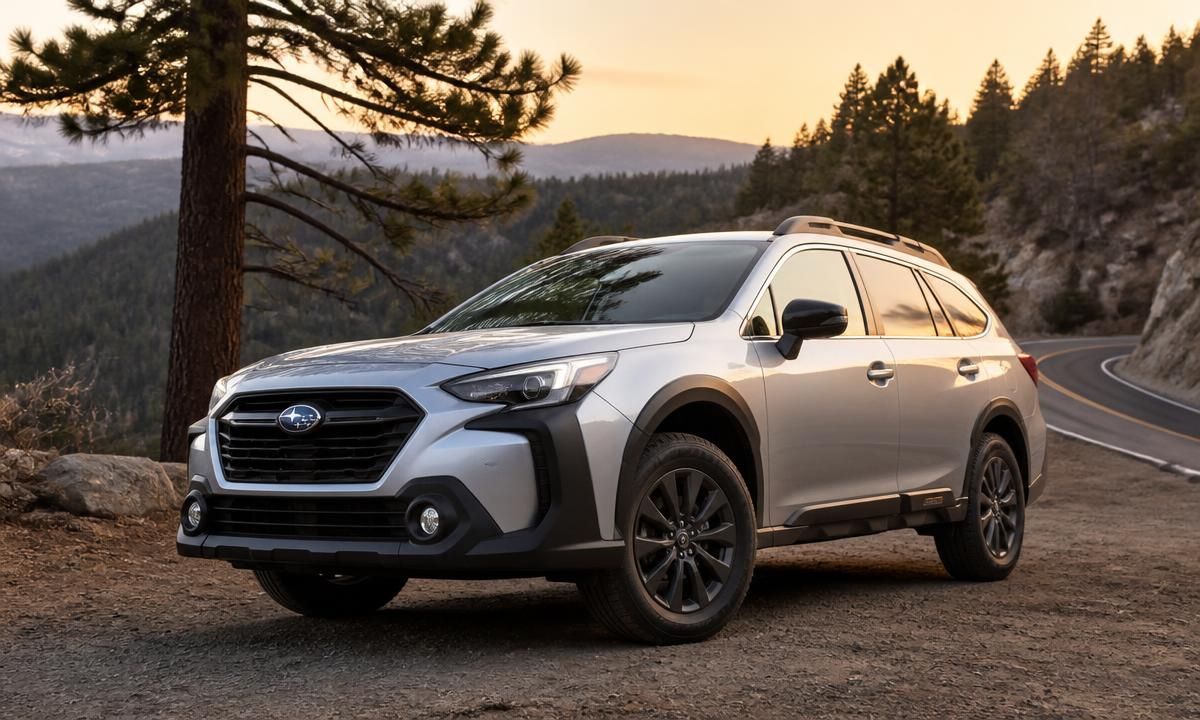
Most Subaru Outbacks from 2015 onward use one of two tire sizes: 225/65R17 on 17-inch wheels or 225/60R18 on 18-inch wheels, with the redesigned 2026 model adding a 225/55R19 option on some trims. Because the Outback runs full-time Symmetrical all-wheel drive, its four tires also have to stay closely matched in size and tread depth, a stricter requirement than most all-wheel-drive vehicles face.
That combination of a simple size question and a strict matching rule is what makes buying tires for an Outback a little different from buying tires for a typical crossover. This guide walks through both: how to nail down the exact size for your car, why the AWD system cares so much about matching, and how to choose and budget for a set that fits how you actually drive.
What tire size does a Subaru Outback need?
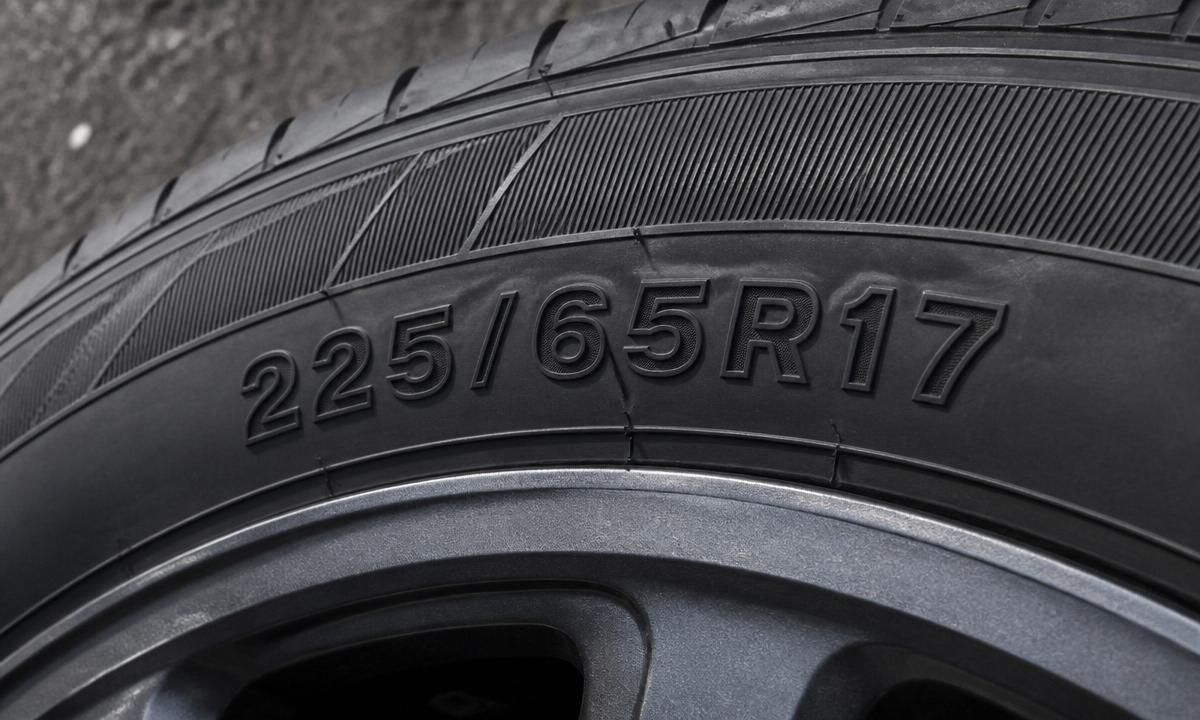
Which size your Outback needs comes down to its wheels, not just its model year. Cars with 17-inch wheels use 225/65R17, and cars with 18-inch wheels use 225/60R18. That maps to trims fairly consistently: Base, Premium, and the off-road Wilderness ride on 17-inch wheels, while most Limited and Touring trims move up to 18-inch wheels.
| Wheel size | Typical trims | Tire size |
|---|---|---|
| 17-inch | Base, Premium, Wilderness | 225/65R17 |
| 18-inch | Limited, Touring (and XT variants) | 225/60R18 |
These two sizes have been standard across the fifth generation (2015–2019) and sixth generation (2020–2025), a pattern confirmed by fitment databases such as tiresize.com and Wheel-Size.com. The redesigned 2026 Outback is an all-new seventh generation; it keeps both sizes, adds a 19-inch option (225/55R19) on some trims, and drops the old base "Outback" trim so the lineup now starts at Premium. Earlier fourth-generation cars (2010–2014) used different, smaller sizes, so a size that is correct for a recent Outback will not necessarily fit an older one.
The numbers follow a standard tire code. The first number is section width in millimeters, the number after the slash is the aspect ratio (sidewall height as a percentage of width), and the number after the "R" is wheel diameter in inches. A letter before the width, such as "P," marks a passenger tire.
How to confirm your Outback's exact tire size
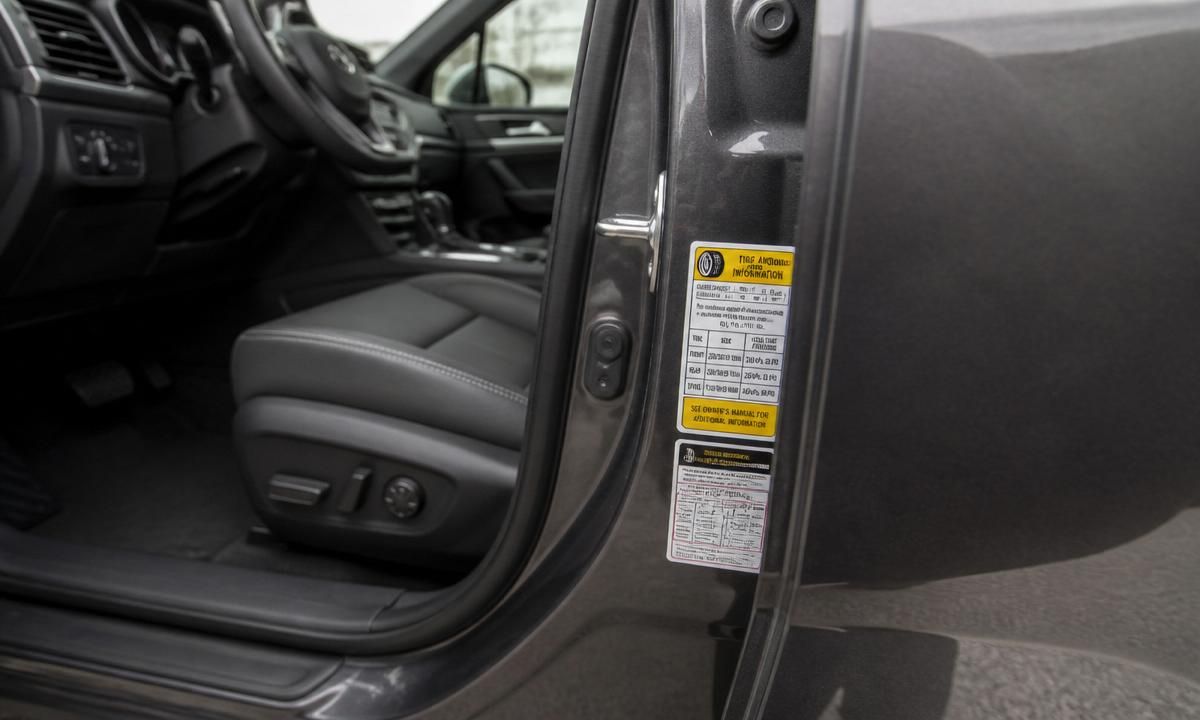
Because sizing has changed across generations, and can vary between trims in the same year, the model year alone is not a reliable guide. Two places give you the correct answer for your specific vehicle:
- The tire placard — a sticker on the driver's-side door jamb that lists the factory tire size and recommended cold inflation pressure.
- The owner's manual — which lists the same specification along with any trim-specific notes.
Both reflect what Subaru actually installed on your car, which is more reliable than looking up a general "Outback tire size" by year. Running the correct size also keeps your speedometer, traction control, and EyeSight driver-assist calibration accurate, since those systems are tuned around the factory rolling diameter. If you are shopping for replacements and the placard has worn away, a tire retailer can usually pull your exact factory fitment from the vehicle's trim and VIN.
Why Subaru Outback tires have to match so closely
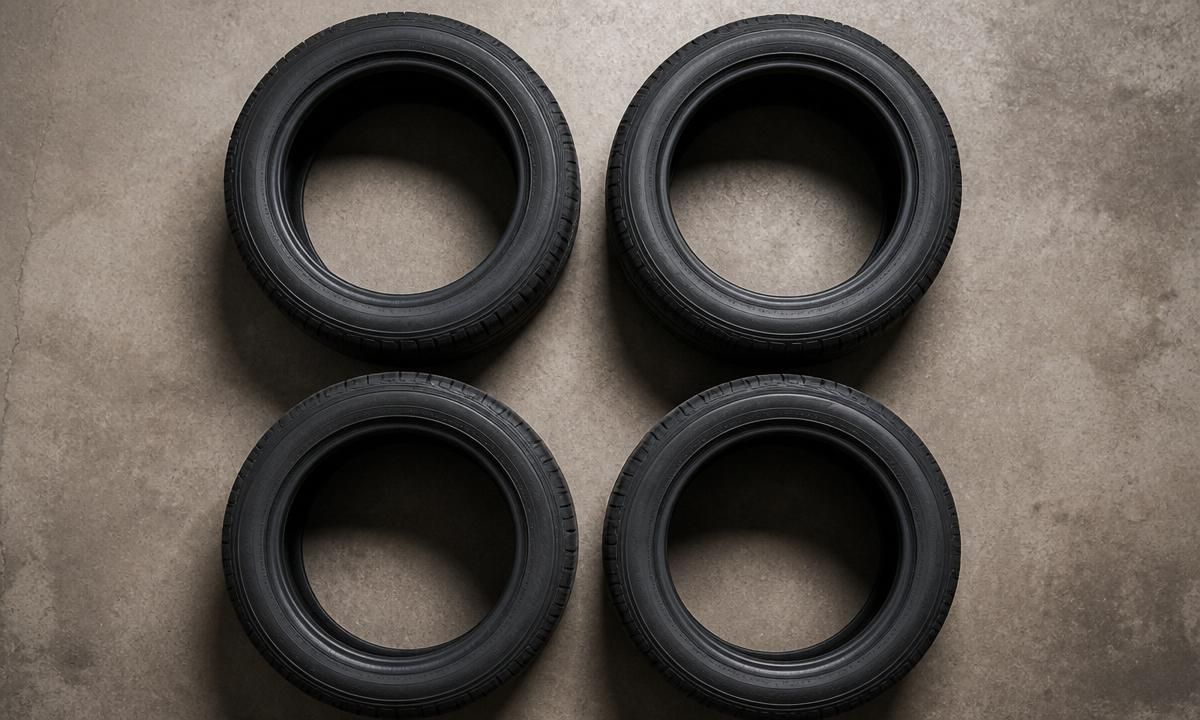
Subaru's Symmetrical AWD system drives all four wheels at all times, so a tire that is even slightly larger or more worn than the others forces the drivetrain to compensate constantly, not just occasionally as with a part-time four-wheel-drive system. That is why Subaru sets a tighter matching tolerance than most competitors.
According to Tire Rack, the recommendation for Subaru is to keep all four tires within 1/4 inch of each other in circumference, which works out to roughly 2/32 inch of remaining tread depth. That is noticeably stricter than Audi's published standard, which allows about 4/32 inch of tread-depth difference. In practice, you generally cannot drop one worn tire and bolt on a single new one without risking driveline strain, unless the new tire is shaved down to match the other three. Tire Rack offers that shaving service for roughly $25 to $35 per tire, far less than replacing three good tires.
This same tolerance is why Subaru discourages using a temporary spare or a mismatched tire for anything longer than a short trip to a repair shop.
It is not about grip. It is about protecting the center differential and viscous coupling from a constant speed mismatch between the wheels.
A practical rule of thumb helps here. If all four tires are the same brand, model, and size, and you rotate them on schedule, they should wear closely enough together that this rarely becomes a problem. It mainly comes up when one tire is damaged early, or when owners buy tires in pairs instead of full sets.
Best tire types for a Subaru Outback
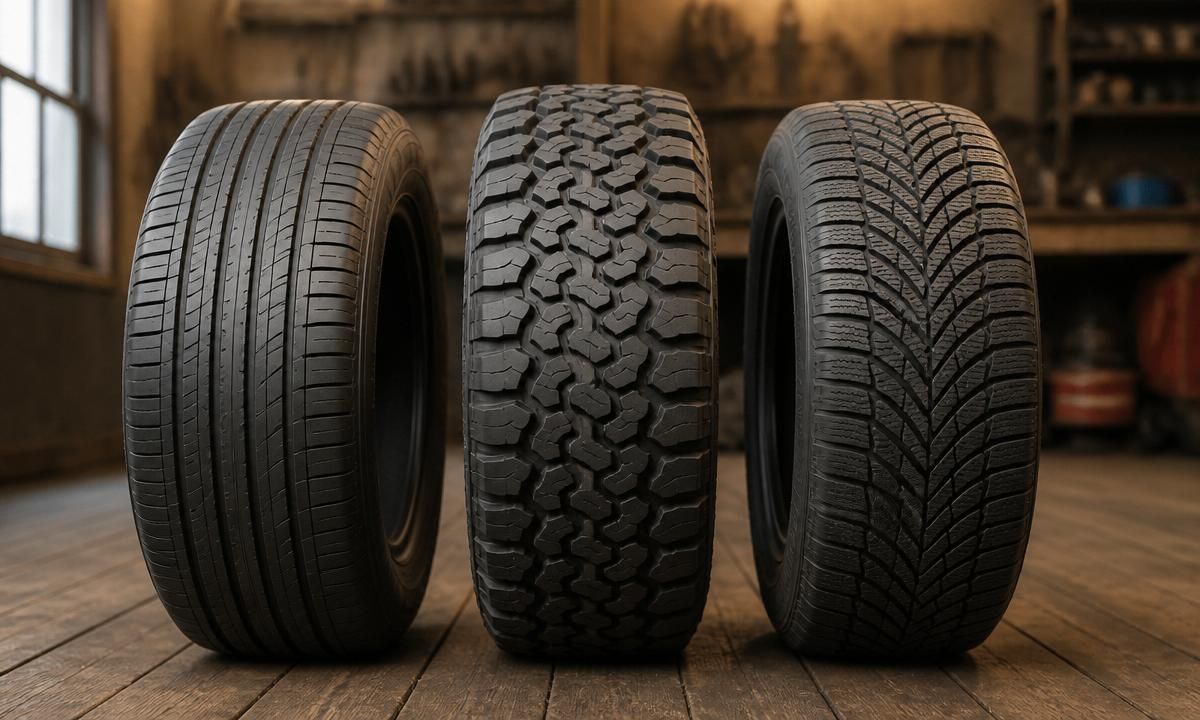
Most Outback owners are best served by all-season or all-weather tires, since the factory setup assumes year-round road driving rather than dedicated off-roading. Drivers in snowy regions often add a dedicated winter set, while Wilderness owners already run a factory all-terrain tire built for mixed surfaces.
All-season and all-weather tires
All-season tires are the default for Base, Premium, and Limited trims, and they cover the majority of Outback ownership: dry and wet pavement, light snow, and highway commuting. All-weather tires are a newer subcategory that carry the same three-peak mountain snowflake (3PMSF) certification as dedicated winter tires while still being designed to stay on the car year-round. That makes them a middle-ground choice for drivers who see moderate snow but do not want to swap tires seasonally. Either option trades away some deep-snow and ice grip compared with a true winter tire, and some rough-terrain durability compared with an all-terrain tire.
Winter and snow tires
For drivers facing sustained sub-freezing temperatures or heavy snowfall, a dedicated winter tire outperforms all-season and even all-weather options. Winter-specific rubber compounds stay pliable in the cold, where all-season compounds stiffen and lose grip. The trade-offs are faster wear in warm weather, the added cost of a second set mounted on their own wheels, and a seasonal swap twice a year.
All-terrain tires
Owners who regularly drive gravel, dirt, or light trails, or who simply want more aggressive tread, often move to an all-terrain tire. Subaru itself equips the Outback Wilderness with Yokohama's Geolandar A/T G015 in a 225/65R17 fitment, an all-terrain tire that handles off-road duty while still meeting the severe-snow service certification. That factory choice is a useful reference point: it shows Subaru considers an all-terrain tire compatible with daily street use on the Outback platform, not just an aftermarket compromise. On non-Wilderness trims, the downsides are a firmer ride, more road noise, and slightly reduced fuel economy compared with a street-oriented all-season tire.
Load index and speed rating on Outback tires
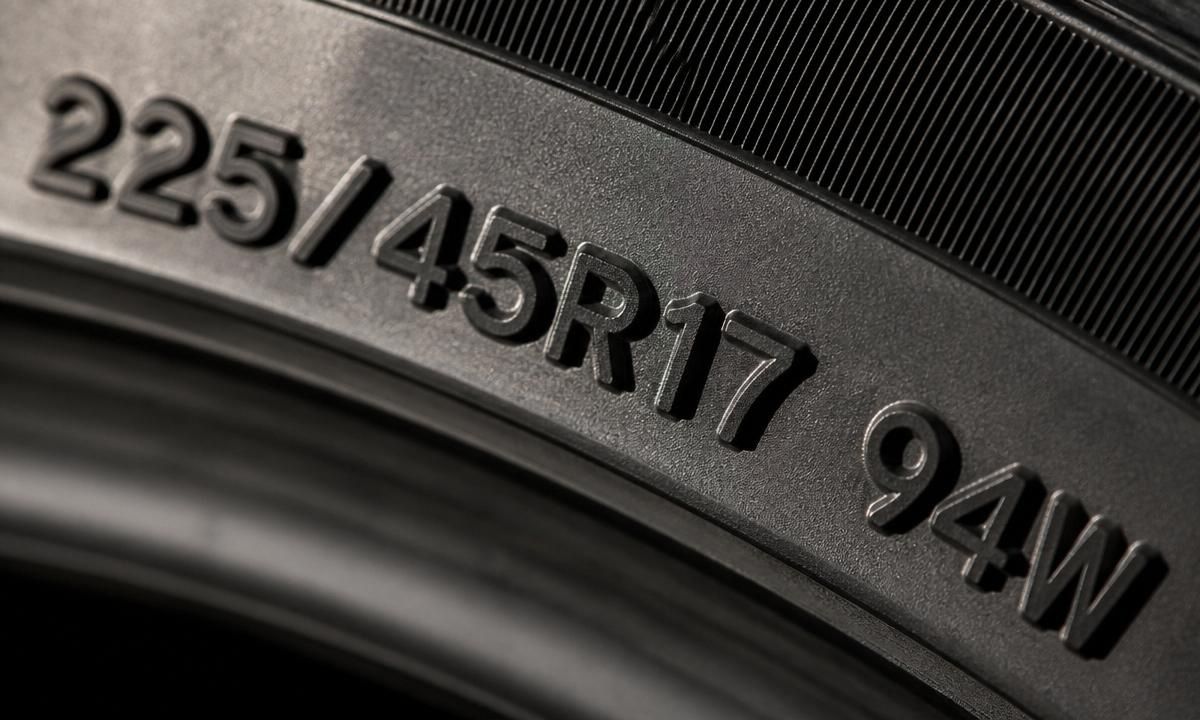
The load index and speed rating printed after an Outback tire's size (for example, "102H") state the maximum weight and sustained speed the tire is certified for, and any replacement should match or exceed the factory rating. Going lower on either number is not advisable, even if the physical size fits.
Factory 225/65R17 tires carry a 102H rating, while 225/60R18 tires carry a 100H rating, a difference of only a couple of points in load index but still worth confirming against your trim.
| Load index | Maximum load per tire |
|---|---|
| 100 | 1,764 lbs |
| 102 | 1,874 lbs |
The "H" speed rating on both factory sizes corresponds to sustained speeds up to 130 mph, well beyond anything relevant to normal driving. It exists mainly so a tire shop can confirm a replacement is at least equivalent to the factory part. If a shop suggests a tire with a lower load index than your Outback's original spec, treat that as a reason to ask questions before buying, not a detail to wave off.
TPMS and tire-size changes
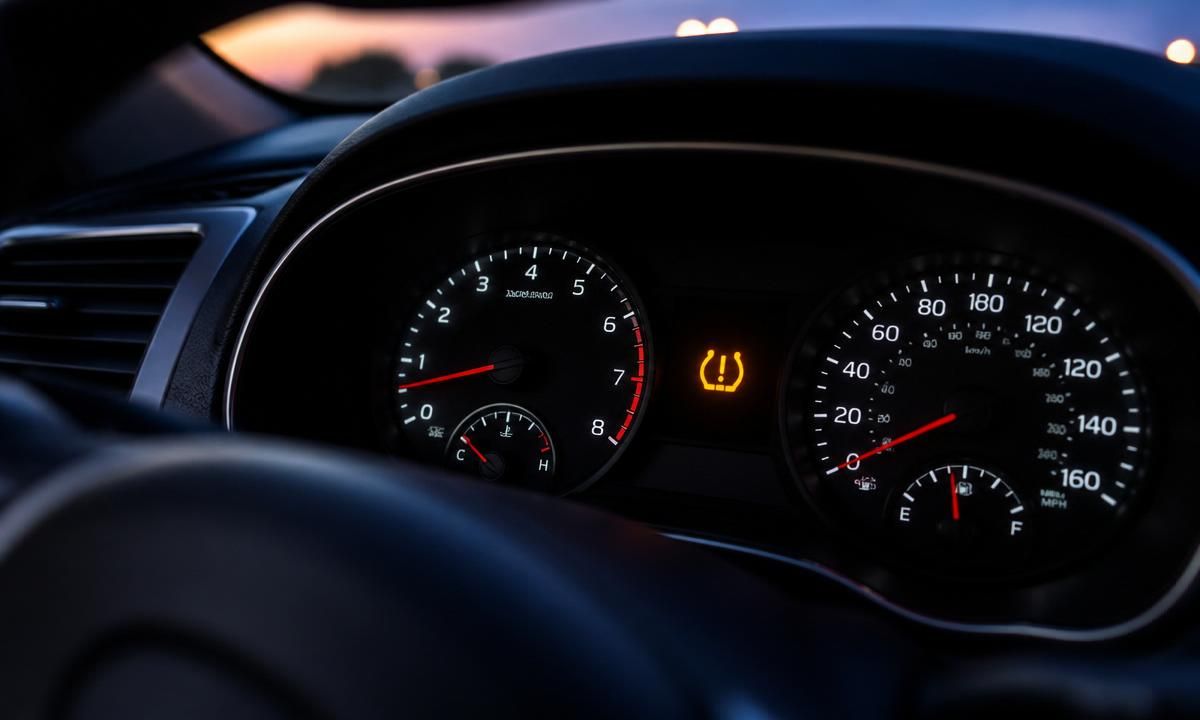
Changing tire brand or size on your Outback does not, by itself, require any tire pressure monitoring reset, because Subaru's TPMS sensors live inside each wheel rather than in a specific tire. Most Subarus from 2008 onward have no dedicated TPMS reset button; if you keep your original wheels and just mount new tires on them, the system settles once the tires are inflated to the correct pressure and the car has been driven for a few minutes.
Where TPMS does come into play is a wheel swap, such as moving to a separate set of winter wheels. Because the Outback uses a direct system with a sensor in each wheel, a second set of wheels brings its own sensors, and the car sometimes needs those "relearned" so it knows which sensor sits at which corner. On many model years this can require a handheld TPMS tool at a tire shop, though some newer trims register the new sensors automatically after a short drive. Whatever tires you run, set inflation to the number on the door-jamb placard, not the maximum pressure molded into the sidewall.
Tire rotation and tread depth: when to replace
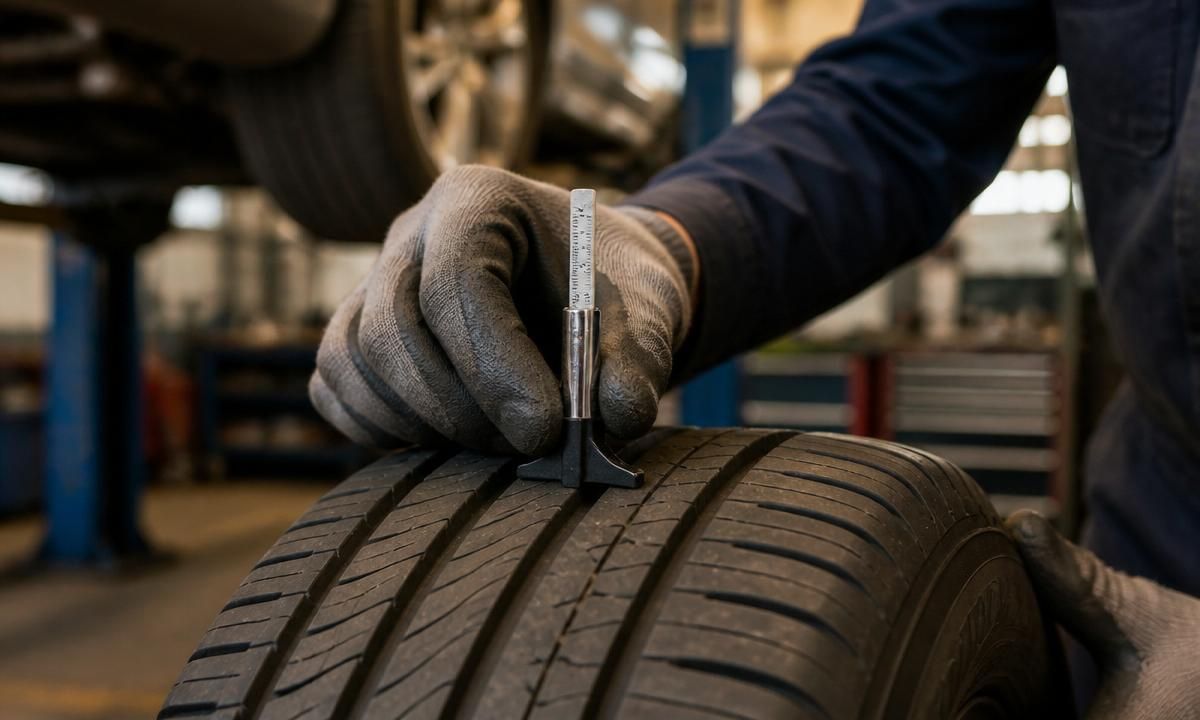
Rotating an Outback's tires on schedule matters more than on a front-wheel-drive car, because Symmetrical AWD depends on even tread wear across all four corners to avoid the driveline stress described earlier. Subaru's guidance generally calls for rotation every 6,000 miles to promote even wear, though owners should check their own Warranty and Maintenance booklet, since some model-year manuals list a 7,500-mile interval instead. Pairing rotation with oil changes is the easiest way to stay on schedule.
Tread depth is the other half of the replacement decision. The National Highway Traffic Safety Administration sets treadwear indicators at 2/32 inch and states that a tire should be replaced when tread wears down to that level, because it rapidly loses traction below that point. That is the legal floor in most states, but waiting for it is cutting things close. Testing highlighted by AAA found that tires worn to 4/32 inch, twice the legal minimum, increased wet-road stopping distance at 60 mph by roughly 43 percent compared with new tires. That is why many tire makers and safety advocates suggest planning a replacement closer to 4/32 inch, especially for drivers who see regular rain or snow. The quickest field check is the penny test: insert a penny into the tread groove with Lincoln's head upside down, and if you can see the top of his head, the tire is at or past the point of replacement.
What Outback tires typically cost
Pricing varies by trim, tire type, and retailer, so treat any figure as a starting point rather than a quote. As of mid-2026, online listings for 2026 Outback tires start around $91.96 per tire for basic all-season options, while standard all-season tires more commonly land in the $150 to $200 range each. A full set of four for the Outback typically runs $600 to $1,000, with premium or specialized tires reaching $250 or more apiece. Mounting, balancing, and alignment usually add $100 to $200 to the total. Because tire prices move with the market, it is worth comparing a current quote from a local shop against online retailers before you commit.
Common buying mistakes to avoid
A few recurring mistakes cost Outback owners money or create avoidable problems.
- Buying by price alone. The cheapest tire in the right size may carry a lower load index or a shorter treadwear warranty than the factory tire, which affects both safety margin and long-term cost per mile.
- Downsizing wheel diameter without checking the effect. A smaller wheel changes the tire's overall diameter unless sidewall height is adjusted to compensate, which can throw off speedometer accuracy and, on an AWD Outback, the matching tolerances covered above.
- Assuming "all-season" means "winter-ready." Standard all-season tires lose meaningful grip in sustained freezing temperatures. Drivers in snowy climates who skip a winter or all-weather set are trading real traction for convenience.
- Skipping the fitment check on Wilderness or lifted trims. Ground clearance and tire size differ enough on the Wilderness that a size correct for a Limited trim will not necessarily fit or perform the same way.
Can I use a different tire size than my Outback's factory size?▾
It is possible, but the replacement should keep the overall tire diameter very close to the factory spec, because a meaningful change affects speedometer accuracy, ground clearance, and AWD matching tolerances. All four tires need to move to the new size together. Check with a tire fitment tool or a shop before choosing anything other than the placard size.
Is a wheel alignment necessary when I replace my tires?▾
It is not strictly required by the tire swap itself, but checking alignment at the same time is good practice, especially if the old tires wore unevenly. Correct alignment protects new tread and helps all four tires wear at a similar rate, which matters more on an AWD Outback than on a front-wheel-drive car.
Can I mix tire brands or models on an AWD Outback?▾
It is not recommended. Different brands and tread designs can have slightly different rolling circumferences even at the same nominal size, which creates the kind of mismatch that stresses the AWD system through uneven wear. A matched set of four from the same brand and model is the safer choice.
How many miles do Subaru Outback tires typically last?▾
Factory tires and softer compounds often wear out around 30,000 to 40,000 miles, roughly three to four years for a driver covering about 12,000 miles a year. Many aftermarket touring all-season tires last longer and carry treadwear warranties of 50,000 miles or more. All-terrain and winter tires generally wear faster, so real mileage depends heavily on tire type and driving conditions.
Does the Outback Wilderness require special all-terrain tires?▾
The Wilderness ships with a factory all-terrain tire suited to its added ground clearance and off-road use, but owners who stick to pavement can switch to a street-focused all-season tire in the same 225/65R17 size without a problem, as long as the load index matches or exceeds the original.
Is it safe to drive on the temporary spare tire?▾
Subaru's owner's manual describes the temporary spare as designed for emergency use only, limits it to a rear wheel, and warns that using any other size can cause severe drivetrain damage, so you should reinstall a conventional tire as soon as possible. The manual sets a 50 mph limit; the commonly cited distance of about 50 miles is a general industry convention rather than a fixed Subaru figure, so check your own manual.
Does towing or carrying heavy cargo change the recommended tire pressure?▾
It can. Recommended pressure may change when towing a trailer or carrying a heavy load, and Subaru advises checking the owner's manual for the adjusted figure rather than relying on the standard placard number, since load-adjusted pressure varies by trim and configuration.
Key Takeaways
- ✓Confirm the size from the door-jamb placard, not the model year — generations and trims differ.
- ✓Match the load index and speed rating to the factory spec; never go lower.
- ✓Replace as a full matched set to protect the AWD center differential and viscous coupling.
- ✓Pick the type by climate and terrain — all-season for most, all-weather for moderate snow, winter for hard freezes, all-terrain for real dirt.
- ✓Rotate every ~6,000 miles and watch tread depth, planning replacement near 4/32 inch rather than waiting for the 2/32 inch legal floor.
From there, buy from a retailer who can verify fitment against your specific trim before you pay — and the Wilderness trim's factory all-terrain setup is a useful reminder that Subaru treats that whole category as compatible with everyday driving.
Continue researching Outback ownership
Continue reading