Buyer's Guide · 7 min read
The Honest Guide to Buying a Used Subaru Outback
From the head-gasket-era wagons to the 2020 refresh: a generation-by-generation guide to which used Outback years to seek out, and which need extra scrutiny.
By Marcus Reid ·
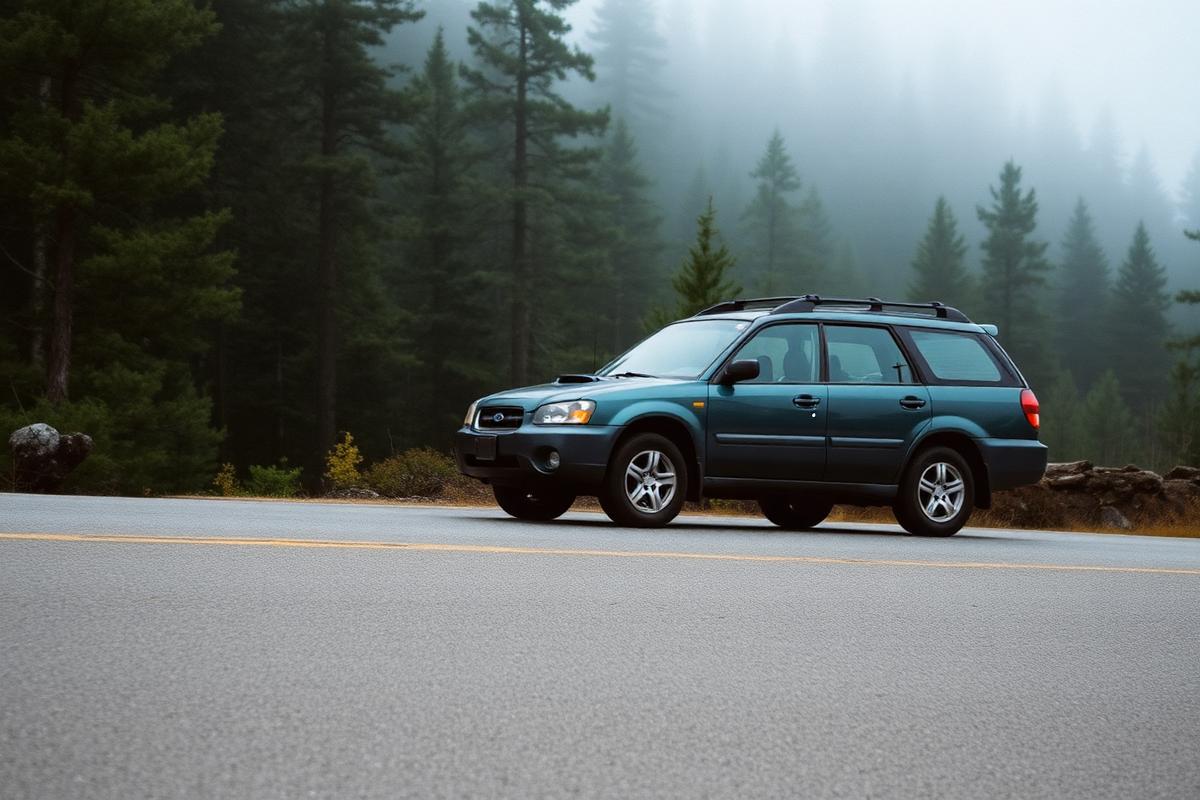
A used Outback is one of the most rational purchases in the American car market. It is also one of the easiest to get wrong, because reliability history varies a lot more by generation than the badge on the tailgate suggests. Here's how to think about it era by era, without needing a mechanic's certification to follow along.
Earlier Than 2010: Proceed Carefully
These are the cheapest Outbacks on the used market, and also the riskiest. Head gasket seepage was a well-documented weakness on this era's naturally aspirated engines, since resolved through redesigned multi-layer steel gaskets on later engine families. Buy one only with clear documentation that the head gaskets were already addressed — otherwise treat the asking price as a starting point for negotiating in a future repair.
2010–2014: The Value Generation
This range offers the best value-to-risk ratio today. Look for cars with documented head gasket service history, and be aware that CVT-equipped models from this period have reported shuddering or premature wear in some cases — a fluid flush addresses it early, a full rebuild is expensive if it's ignored. Ask for CVT fluid service records specifically, not just general maintenance receipts.
2015–2019: The Refined Middle
This refresh brought a stiffer chassis and a noticeably better interior. Transmission software matured considerably by 2017, so later cars in this range are the safer CVT bet within the generation. If you're specifically shopping model-year 2017, it's worth a closer look on its own — pricing, trim differences, and inspection specifics are broad enough to deserve their own guide.
2020 and Newer: The Safest Bet
This platform is the safest bet if the budget stretches. Standard all-wheel drive, stronger crash-test performance, and a shorter runway for wear-and-tear issues to surface all work in your favor. Still buy a car with service records, drive it on the highway before you commit, and walk away from anything with a persistent oil smell.
Issues Worth Checking on Any Year
Pre-Purchase Checklist
- ✓Coolant residue or seepage near the head gaskets, especially on pre-2010 engines
- ✓CVT shudder or whine under load, and documented CVT fluid service history
- ✓Oil consumption between changes — a known issue on certain 2011–2017 engines, resolved under a class-action settlement for affected owners
- ✓A full VIN-based vehicle history report for accident damage, flood history, and open recalls
- ✓An independent pre-purchase inspection before you commit, regardless of how clean the car looks
None of this should scare you off a used Outback — it should just tell you where to look before you fall for one. The generations with documented service histories consistently outlast their reputations; the ones without records are where buyers get burned.
What's the best used Outback generation for the money?▾
The 2010–2014 generation generally offers the strongest value-to-risk ratio, provided you can verify head gasket and CVT service history.
Do all used Outbacks have head gasket problems?▾
No — this was primarily an issue on naturally aspirated engines built before 2010, addressed through redesigned gaskets on later engine families.
Is a Subaru Outback reliable after 100,000 miles?▾
Yes, provided it has a documented maintenance history — consistent oil changes, CVT fluid services where applicable, and prompt attention to any coolant leaks.
Continue reading