Used Car Buying Guides · 11 min read
2017 Subaru Outback for Sale: Complete Buyer's Guide, Best Price, Features & What to Check Before Buying
A well-maintained 2017 Outback runs $12,000–$18,000 in 2026. Here's fair pricing, trim comparisons, common problems, and a pre-purchase inspection checklist.
By Editorial Team ·
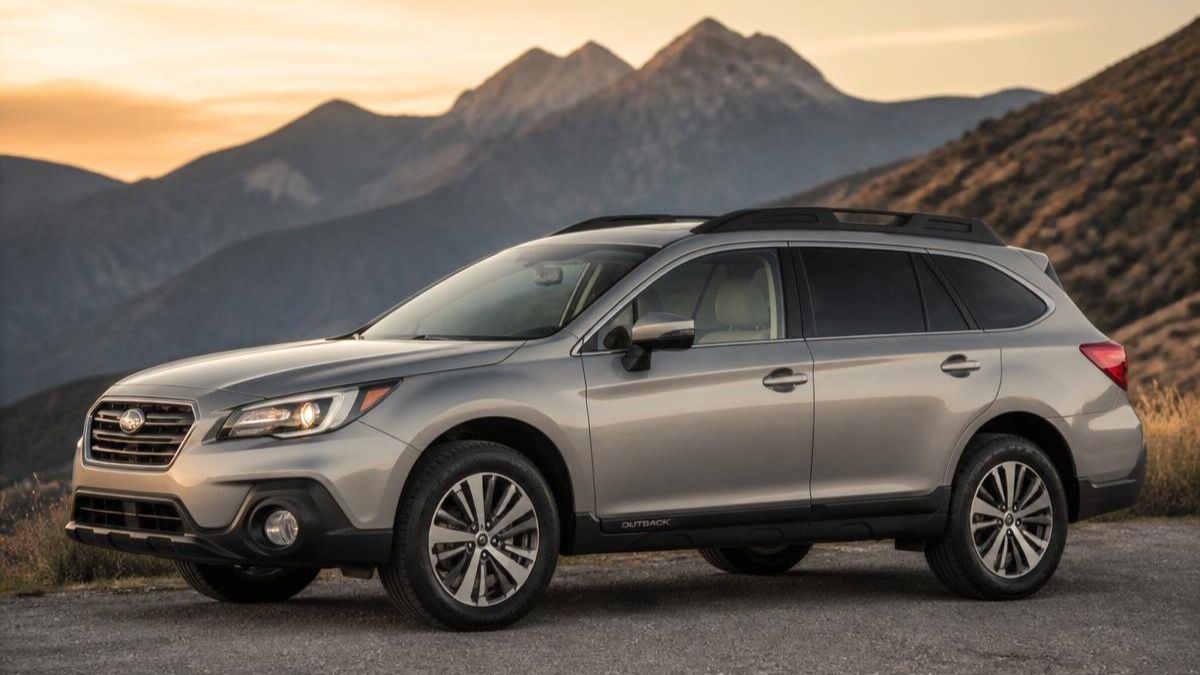
A well-maintained 2017 Subaru Outback typically sells for $12,000 to $18,000 in 2026, depending on mileage, trim, and condition, making it one of the smartest used AWD wagons you can buy right now. Prices have finally settled after years of used-car inflation, and that means real value for buyers who want Subaru's standard all-wheel drive without paying new-car money.
This guide walks you through why the 2017 model year still holds up, what fair pricing looks like today, which trims are worth chasing, common mechanical issues to watch for, and exactly what to inspect before you hand over a deposit. By the end, you'll know how to spot a good deal, avoid a costly lemon, and negotiate with confidence whether you're buying from a private seller or a dealership lot.
Key Takeaways
- ✓Fair market price in 2026: $12,000–$18,000, with sub-60k-mile units commanding a $2,000–$4,000 premium.
- ✓The biggest risks are head gasket seepage and CVT shudder — both are manageable with an independent inspection.
- ✓The 2.5i Premium trim offers the strongest balance of features and value for most buyers.
- ✓Private sellers save you money; certified pre-owned dealership units save you risk.
- ✓Never skip a $100–$150 pre-purchase inspection — it consistently pays for itself.
Why Is the 2017 Subaru Outback Still Worth Buying?
Yes, the 2017 Subaru Outback is still a smart buy in 2026 because it combines standard all-wheel drive, strong crash-test ratings, and proven long-term durability at a price well below newer Outback generations. This was the last year of the fourth-generation Outback before Subaru's 2020 redesign, so it benefits from a decade of refinement without carrying the higher price tag of a newer platform.
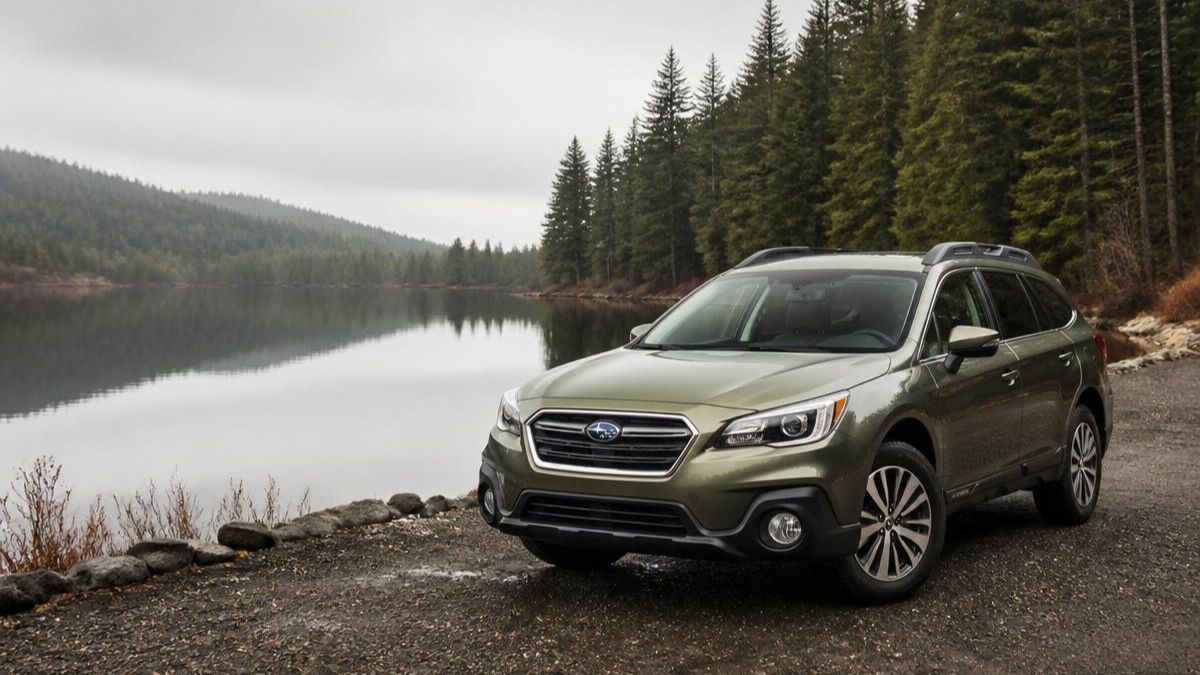
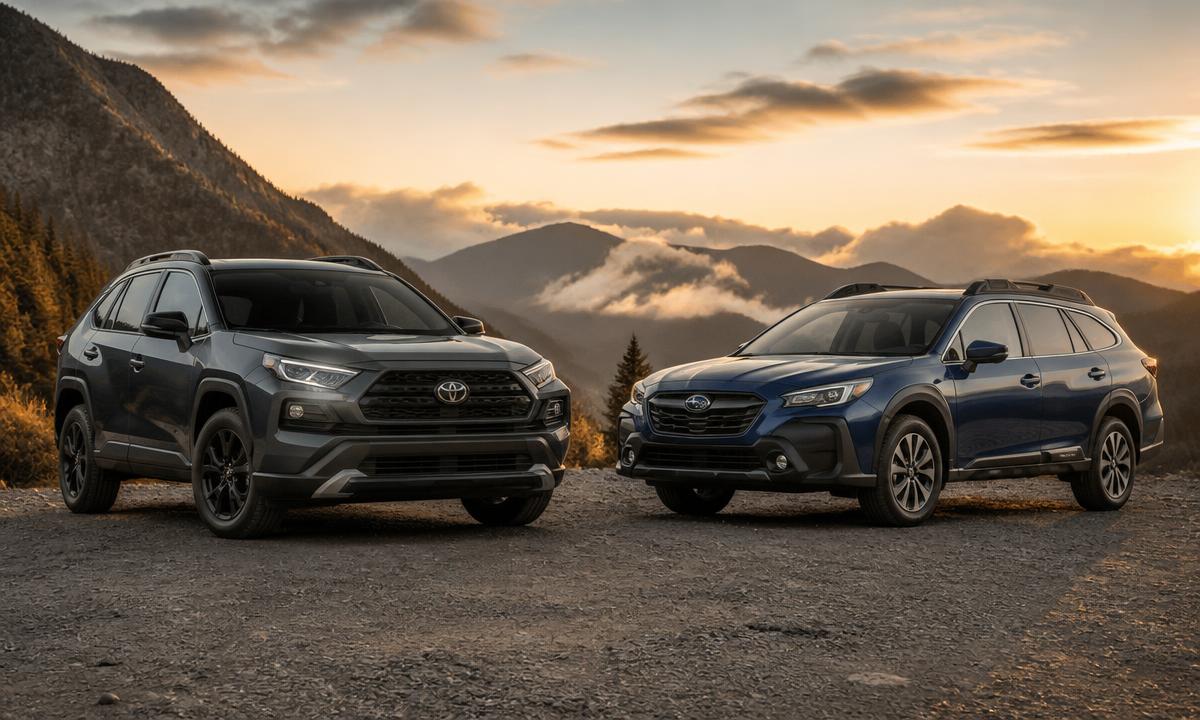
Practically speaking, that means you get a roomy cargo area, comfortable ride height for light off-pavement driving, and Subaru's EyeSight driver-assist suite available on higher trims. Families cross-shop it against RAV4s and CR-Vs, but the Outback wins on ground clearance and standard AWD, since Toyota and Honda often charge extra for that feature.
Good to Know
Not every model year in this generation is identical. The 2017 refresh brought updated styling, a revised infotainment system, and improved sound insulation over the 2015–2016 models, so it's genuinely a stronger pick within its generation.
That combination of value, capability, and safety is exactly why resale demand for this model year has stayed steady. Next, let's look at what that demand means for pricing in 2026.
How Much Does a 2017 Subaru Outback Cost in 2026?
Expect to pay between $12,000 and $18,000 for a 2017 Subaru Outback in 2026, with base trims closer to $12,000–$14,000 and higher-mileage or higher-trim models reaching $16,000–$18,000. Vehicles with over 120,000 miles or cosmetic wear can drop below $11,000, especially from private sellers motivated to sell quickly.
Mileage drives price more than almost anything else in this segment. A 2017 Outback with under 60,000 miles commands a real premium, often $2,000–$4,000 above a comparable unit sitting near 100,000 miles, because buyers know Subaru's head gasket concerns are more common on higher-mileage engines. Region matters too — Outbacks in snow-belt states like Minnesota or Colorado often sell for more because local buyers specifically want AWD, while sun-belt listings in Arizona or Florida tend to price slightly lower despite often having less rust exposure.
| Condition / Mileage | Typical Price Range |
|---|---|
| Base trim, higher mileage (100k+ mi) | $12,000 – $14,000 |
| Higher trim, lower mileage | $16,000 – $18,000 |
| High mileage (120k+ mi) or cosmetic wear | Below $11,000 |
| Under 60,000 miles | +$2,000–$4,000 premium over a 100k-mile comparable |
A $13,000 Outback with full maintenance records is usually a better deal than a $10,500 one with unknown history.
A frequent buyer mistake is comparing listing prices without factoring in service history. With pricing in mind, the next step is knowing exactly what to inspect before you commit to a purchase.
What to Check Before Buying a Used 2017 Subaru Outback
Before buying, always check the head gaskets, CVT transmission fluid condition, timing chain history, and a full vehicle history report, since these are the areas most likely to hide expensive problems on a 2017 Outback. Skipping this step is the single biggest reason buyers end up with unexpected repair bills.
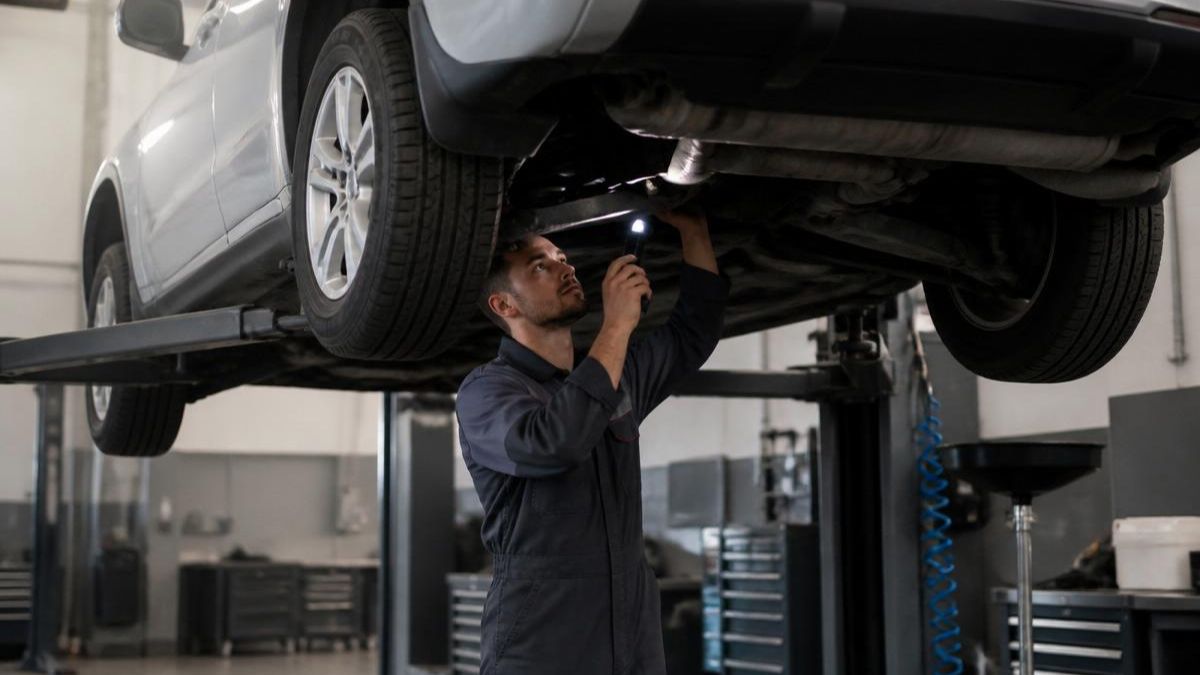
Start with a pre-purchase inspection at an independent Subaru specialist, not the selling dealership. They'll check for coolant leaks near the head gaskets, listen for CVT whine under load, and scan for stored error codes that a basic test drive won't reveal.
Next, pull a vehicle history report using the VIN to confirm accident history, title status, and whether the timing chain or water pump were ever replaced. Ask the seller directly for maintenance receipts covering oil changes, CVT fluid services, and any warranty repairs.
Warning
Judging a car purely by how it looks and drives during a short test drive is risky here, since head gasket seepage and CVT wear often don't show obvious symptoms until they're expensive.
Tip
Spend the $100–$150 on a proper inspection; it consistently pays for itself.
Once the mechanical side checks out, trim level becomes the next factor separating a good buy from a great one.
Best 2017 Subaru Outback Trim Levels Explained
The 2.5i Premium and 2.5i Limited trims offer the best overall value for most buyers, balancing equipment, comfort, and resale demand better than the base 2.5i or the pricier 3.6R Limited. Trim choice affects both your daily experience and how easily you'll resell the car later.
The base 2.5i covers the essentials: cloth seats, a 6.5-inch touchscreen, and standard AWD, but it lacks the dual-zone climate control and upgraded audio that most shoppers expect. The 2.5i Premium adds those comfort features plus a power tailgate and all-weather package, making it the sweet spot for daily commuters and small families. Step up to the 2.5i Limited and you gain leather seating, navigation, and availability of EyeSight driver assistance, which bundles adaptive cruise control and lane-departure warning. The 3.6R Limited swaps in a six-cylinder engine for stronger towing and passing power, but fuel economy drops noticeably and repair costs run higher.
| Trim | Key Features | Best For |
|---|---|---|
| 2.5i (Base) | Cloth seats, 6.5" touchscreen, standard AWD | Budget-focused buyers |
| 2.5i Premium | Dual-zone climate, power tailgate, all-weather package | Daily commuters & families — best overall value |
| 2.5i Limited | Leather seating, navigation, EyeSight available | Buyers who want extra safety tech |
| 3.6R Limited | 6-cylinder engine, stronger towing (2,700 lb rated) | Occasional towing or passing power |
Good to Know
Overpaying for the 3.6R without actually needing the extra power is a frequent first-time-buyer trap, since most owners never tow near its 2,700-pound rated capacity. For most households, the 2.5i Premium delivers the strongest balance of price and features.
Trim aside, reliability history matters just as much, which brings us to common mechanical issues.
2017 Subaru Outback Common Problems and Reliability
The most commonly reported issues on the 2017 Subaru Outback involve head gasket seepage, CVT transmission shudder, and premature front brake wear, though none of these are considered widespread failures when the vehicle has been properly maintained. Understanding these patterns helps you negotiate price or walk away from a risky unit.
Head gasket concerns trace back to earlier Subaru generations, and while the 2017 model saw improvements, external coolant seepage still shows up occasionally around 80,000–100,000 miles. A simple coolant level and residue check during inspection catches this early, before it becomes a full engine repair. CVT shudder, felt as light vibration during acceleration from a stop, is usually resolved with a transmission fluid flush rather than a full replacement, provided it's addressed early. Owners who skip scheduled CVT fluid changes are far more likely to face expensive fixes later.
Warning
A common buyer mistake is assuming a clean CarFax means a mechanically sound car. History reports don't catch fluid neglect or minor coolant loss, which is exactly why an independent inspection matters more than paperwork alone.
With reliability covered, let's look at how the engine actually performs day to day.
2017 Subaru Outback Fuel Economy, Engine, and Performance
The 2017 Subaru Outback's standard 2.5-liter four-cylinder returns an EPA-estimated 25 city and 33 highway mpg, while the optional 3.6-liter six-cylinder delivers stronger power at 20 city and 27 highway mpg. That real-world efficiency remains competitive with newer AWD SUVs, which is a major reason resale demand has held steady.

| Engine | Horsepower | City / Highway MPG | Best For |
|---|---|---|---|
| 2.5L 4-cylinder (standard) | 175 hp | 25 / 33 mpg | Daily driving, efficiency |
| 3.6L 6-cylinder (optional) | 256 hp | 20 / 27 mpg | Towing, passing power |
The four-cylinder produces enough power for confident highway merging and daily driving, paired with a continuously variable transmission that prioritizes smooth, efficient power delivery over quick acceleration. Drivers coming from older automatic transmissions sometimes describe the CVT's droning sound under hard acceleration as unfamiliar, though it's normal operation. The six-cylinder option cuts 0–60 times by roughly two seconds and improves towing confidence, but it demands premium fuel for optimal performance and costs more to maintain long-term.
Tip
Choosing the six-cylinder for occasional towing without calculating the added fuel cost over years of ownership tends to backfire financially. For most use cases, the four-cylinder's blend of efficiency and adequate power wins out.
Once you've decided on engine and trim, the next question is where to actually find a solid one for sale.
Where to Find the Best 2017 Subaru Outback for Sale
The best places to find a 2017 Subaru Outback for sale include certified pre-owned Subaru dealerships, CarMax, and private-seller marketplaces like Facebook Marketplace and Craigslist, each offering different tradeoffs between price and protection. Knowing where to search saves time and reduces the odds of overpaying.

Certified pre-owned listings through Subaru dealerships cost more upfront, typically $1,500–$3,000 above private-party pricing, but include extended warranty coverage and a multi-point inspection already completed. This route suits buyers who value peace of mind over saving every dollar. CarMax and similar no-haggle used-car chains offer transparent pricing and short return windows, which reduces negotiation stress, though inventory turnover means the exact trim and mileage combination you want may take extra searching.
Good to Know
Limiting the search to one platform is an easy way to overpay. Cross-checking listings across dealership sites, CarMax, and private marketplaces within the same week gives a clearer sense of fair market value for your specific trim and mileage range.
Where you buy also affects how much room you have to negotiate, which leads directly into the next decision.
Private Seller vs Dealership: Which Is Better for Buying a 2017 Subaru Outback?
Buying from a private seller usually saves $1,500–$3,000 but carries more risk, while buying from a dealership costs more upfront yet typically includes warranty protection, financing options, and a completed inspection. The right choice depends on how much risk you're comfortable managing yourself.
| Factor | Private Seller | Dealership (Certified Pre-Owned) |
|---|---|---|
| Price | Often $1,500–$3,000 lower | Higher upfront cost |
| Warranty | None — sale is typically final | 7-yr / 100,000-mile CPO powertrain warranty (qualifying units) |
| Inspection | Buyer's responsibility | 152-point inspection often included |
| Negotiation room | More flexible on price | Less flexible, but financing options available |
| Overall risk | Higher | Lower |
Private sellers are often more flexible on price and willing to negotiate below asking, especially if they've listed the car for several weeks without offers. The tradeoff is limited recourse if a problem surfaces after purchase, since most private sales are final with no warranty backing the transaction. Dealerships, particularly those offering Subaru's certified pre-owned program, provide a 152-point inspection and a 7-year/100,000-mile powertrain warranty on qualifying vehicles.
Warning
Choosing a private sale purely to save money, without budgeting for a pre-purchase inspection, can end up costing more than the savings if a hidden issue appears.
Whichever path you choose, having a clear checklist ready prevents costly oversights, which is exactly what comes next.
2017 Subaru Outback Buying Checklist for First-Time Buyers
A solid buying checklist covers the VIN history report, a professional pre-purchase inspection, a test drive on both highway and rough pavement, and verification of title status before any money changes hands. Working through these steps in order prevents rushed decisions under seller pressure.
Before You Buy
- ✓Pull a VIN-based vehicle history report (no salvage title, flood damage, or unresolved recalls)
- ✓Confirm the backup camera and fuel pump recalls were completed
- ✓Schedule an independent pre-purchase inspection with a Subaru specialist
- ✓Check for coolant residue or seepage near the head gaskets
- ✓Listen for CVT whine or shudder under load
- ✓Ask for maintenance receipts (oil changes, CVT fluid services, warranty repairs)
- ✓Test drive on the highway, through tight turns, and over rough pavement
- ✓Scan for stored diagnostic error codes
- ✓Verify the seller's name matches the title exactly
- ✓Confirm there are no outstanding liens before finalizing payment
Start by pulling the vehicle history report to confirm no salvage title, flood damage, or unresolved recalls exist. Subaru issued several recalls on this generation, including ones related to the backup camera and fuel pump, so confirming they were completed protects you from inheriting an open safety issue.
Warning
Skipping the title verification step is an easy oversight for first-time buyers, especially with private sellers, and it can lead to liens or ownership disputes after purchase. Confirm the seller's name matches the title exactly before finalizing payment.
With this checklist complete, a few lingering questions still come up often, which the FAQs below address directly.
Conclusion
The 2017 Subaru Outback remains a genuinely strong used-SUV choice in 2026, offering standard AWD, solid safety ratings, and reasonable running costs at a price that's finally stabilized in the used-car market. The key is treating the purchase methodically: verify pricing against mileage and trim, get an independent inspection before committing, and choose between a private seller and a dealership based on how much risk you're willing to manage yourself.
Buyers who skip the inspection step are the ones most likely to face head gasket or CVT surprises down the road, so don't let a clean CarFax or a good test drive replace a proper mechanical check. With the pricing guidance, trim comparisons, and checklist covered here, you're in a strong position to find a reliable 2017 Outback and negotiate a fair deal with confidence.
Is the 2017 Subaru Outback a reliable car?▾
Yes, generally reliable when properly maintained, with most reported issues limited to head gasket seepage and CVT fluid-related shudder rather than widespread mechanical failures.
How many miles will a 2017 Subaru Outback last?▾
With consistent maintenance, it can reasonably reach 200,000 to 250,000 miles, depending on timely oil changes, CVT fluid services, and prompt attention to coolant leaks.
What is a fair price for a 2017 Subaru Outback with 100,000 miles?▾
Typically $11,500 to $14,500 in 2026, depending on trim and condition. Full-service history can justify pricing at the higher end.
Does the 2017 Subaru Outback have transmission problems?▾
Some develop CVT shudder, a light vibration during acceleration, usually resolved with a transmission fluid flush rather than a full rebuild.
Is the 2017 Subaru Outback good in snow?▾
Yes — standard symmetrical all-wheel drive and 8.7 inches of ground clearance make it a popular choice in snow-belt states.
What trim should I buy on a 2017 Subaru Outback?▾
The 2.5i Premium offers the best balance of comfort and value for most buyers; the 2.5i Limited adds leather and EyeSight for extra safety tech.
Should I buy a 2017 Subaru Outback from a private seller or dealership?▾
Private sellers typically offer lower prices but no warranty; dealerships cost more upfront but often include inspections and warranty coverage. Choose based on your comfort level evaluating a used car yourself.
Continue reading