Long Review · 6 min read
The 2026 Subaru Outback Wilderness, Reviewed
Subaru's rugged wagon grows up. A week behind the wheel of the Wilderness trim, on pavement and off it, to see whether the off-road hardware earns its keep.
By Elena Marsh ·
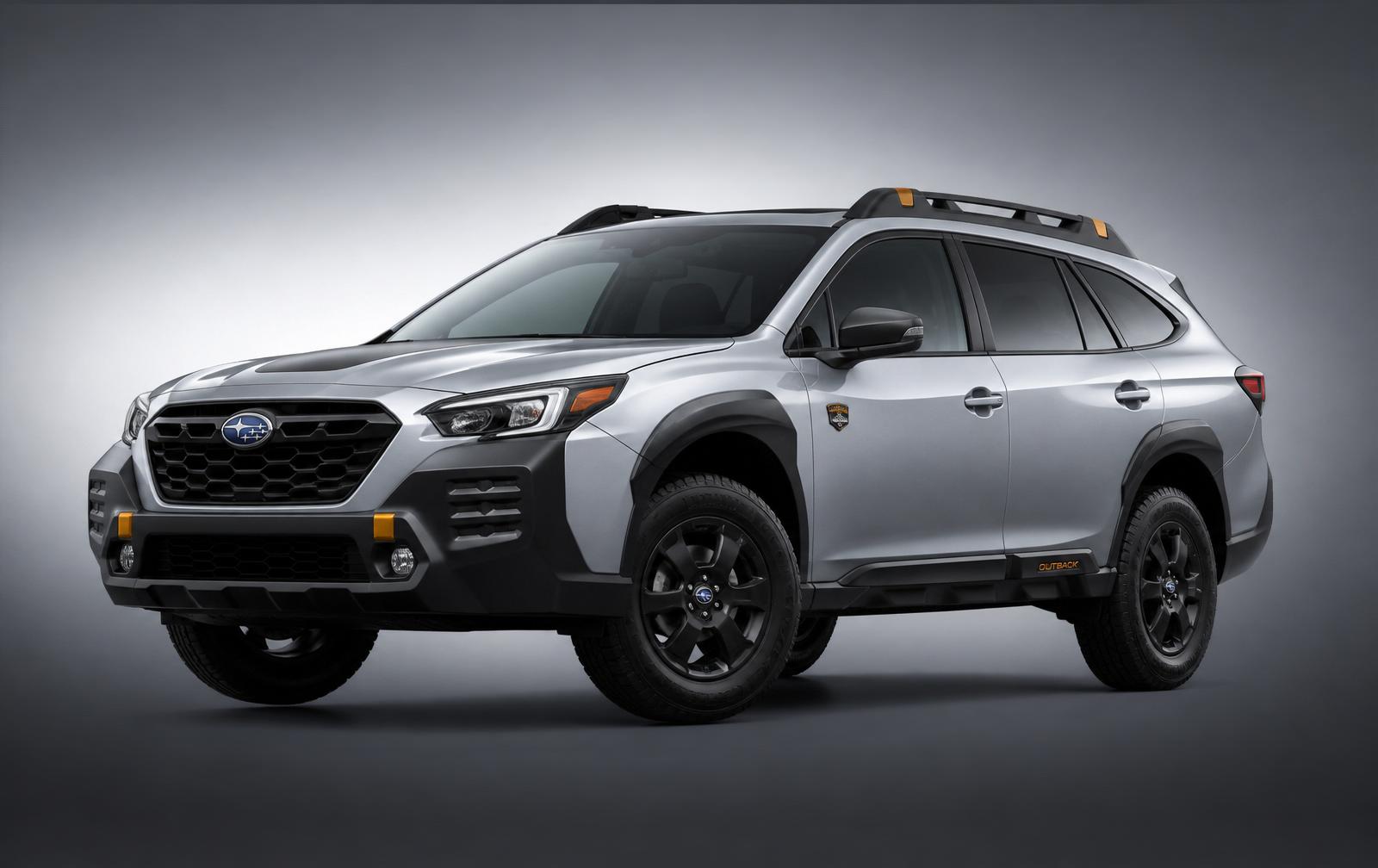
The 2026 Outback Wilderness is the clearest statement Subaru has made in a decade. Where previous generations felt like sensible wagons in hiking boots, the new car commits to the idea completely. This isn't a spec-sheet exercise — it's a week of actually living with the thing, on the highway, in a gravel lot, and everywhere in between.
On the Road
The turbocharged 2.4-liter boxer still pulls with the same flat, unfussy delivery, matched to a CVT that finally stops hunting under load. Subaru rates this engine at 260 horsepower and 277 lb-ft of torque, and it feels every bit of that from a stop — there's no lag waiting for boost to build before the car actually moves. EPA estimates put the Wilderness at 21 mpg city and 27 mpg highway, a reasonable trade for the taller stance and softer all-terrain tires. It won't out-economize the non-turbo Outback trims, and Subaru doesn't pretend otherwise.
Off the Tarmac
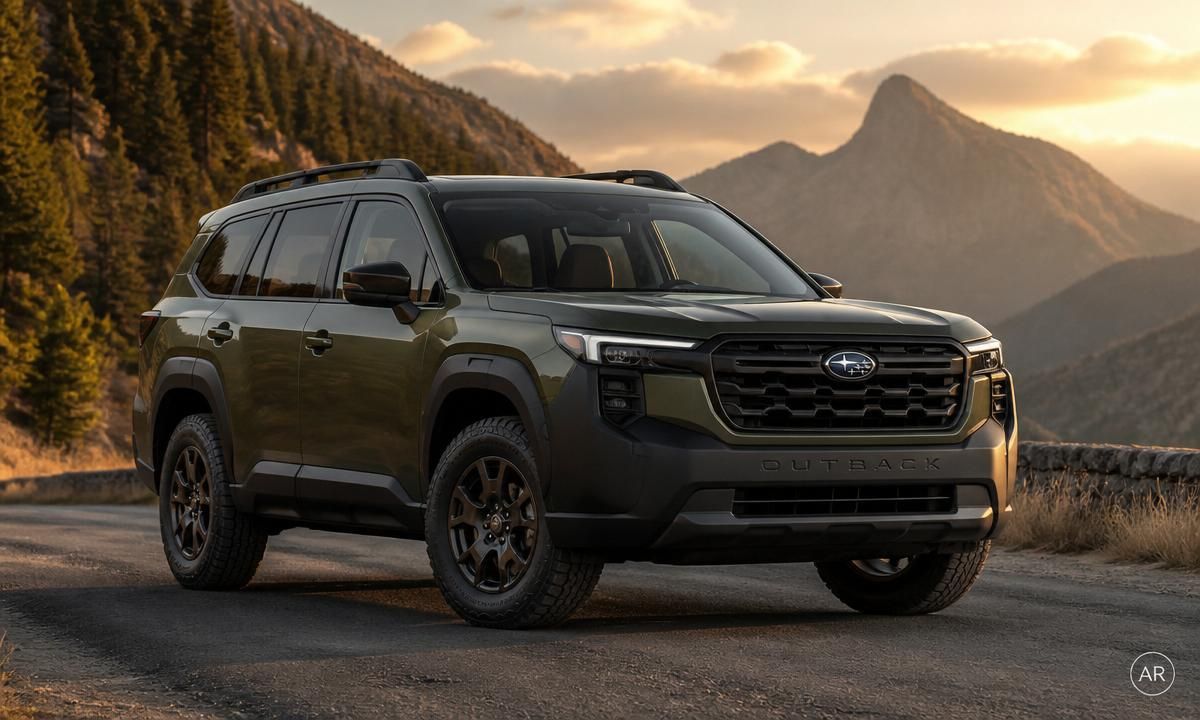
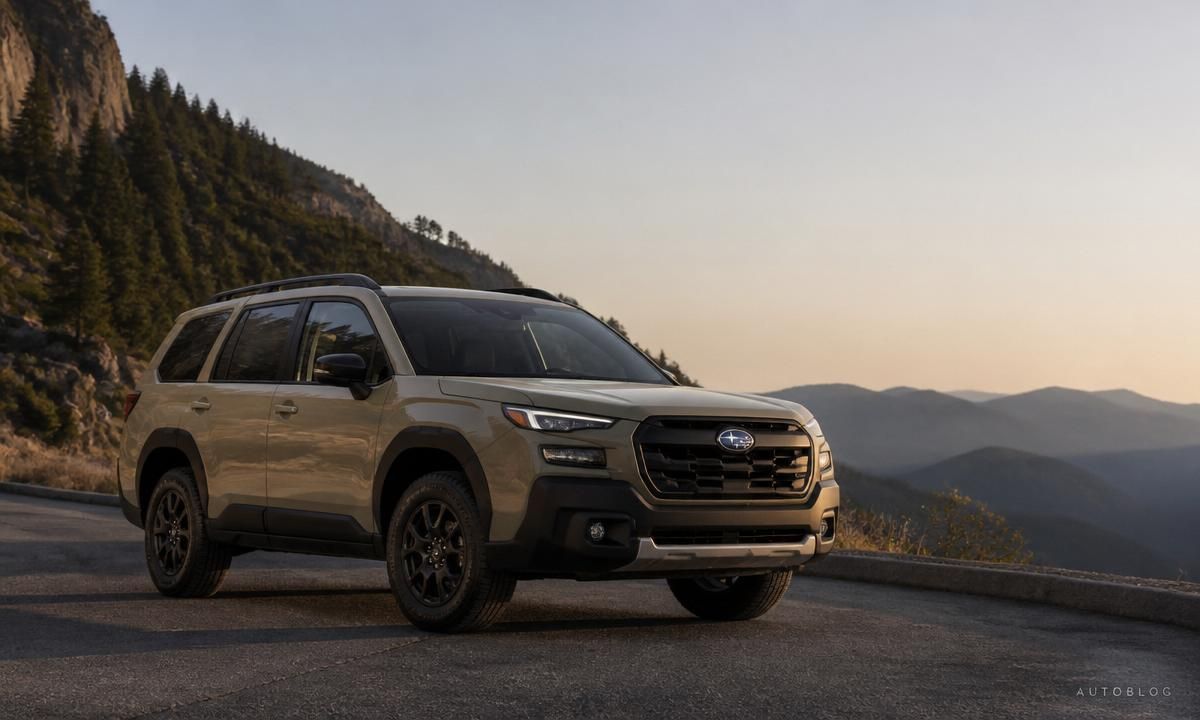
Ground clearance climbs to 9.5 inches, up from 8.7 on the standard lineup. The bumpers are shorter, the approach angle steeper, and the all-terrain tires actually look like all-terrain tires. But the real surprise is how composed the Wilderness feels once the pavement ends — X-MODE hands off most of the thinking, and the taller suspension soaks up washboard gravel without feeling like it's working hard to do it.
Inside the Cabin
Subaru has trimmed the touchscreen down to something you can actually operate at speed, and physical climate controls return where they belong — as real buttons, not menu taps. The seats, wrapped in water-repellent StarTex upholstery, are among the most practical in the segment; muddy gear and wet dogs wipe off in seconds instead of staining.
Where It Falls Short
None of this is close to perfect. The CVT is smooth but stays resolutely unexciting — there's no traditional automatic or manual on offer, and drivers who want a gearbox with personality won't find one here. Fuel economy trails the non-turbo Outback trims noticeably, and the Wilderness's off-road hardware — the raised suspension, the all-terrain tires — is genuinely wasted weight if most of your driving stays on pavement. It's a car built for a specific kind of buyer, not a universal recommendation.
Verdict
It is not a fast car. It was never meant to be. But it is a deeply confident one — the kind of vehicle that quietly convinces you to take the long way home, provided the long way includes a few miles of dirt.
Key Takeaways
- ✓260 hp turbo engine and 9.5 inches of ground clearance make the Wilderness the most off-road-capable Outback trim.
- ✓EPA-rated at 21 city / 27 highway mpg — a real but manageable trade-off for the added capability.
- ✓StarTex water-repellent seating handles mud and wet gear better than cloth or leather.
- ✓The CVT is smooth, not sporty — this is a confidence car, not a quick one.
- ✓Best suited to buyers who actually leave pavement regularly, not just those who like the look.
Is the 2026 Outback Wilderness worth the price over a standard Outback?▾
Only if you'll genuinely use the extra ground clearance and all-terrain tires. For mostly on-pavement driving, a Limited or Limited XT delivers similar comfort for less.
How does the Wilderness ride on the highway?▾
More composed than the raised suspension and off-road tires would suggest — it doesn't feel like a compromise on paved roads, just slightly firmer than the standard trims.
What's the biggest downside of the Wilderness trim?▾
Fuel economy versus the non-turbo Outback trims, and a CVT that prioritizes smoothness over engagement. Neither is a dealbreaker, but both are worth knowing going in.
Continue researching the Wilderness trim
Continue reading