Long Review · 12 min read
2026 Subaru Outback Redesign: Everything New, Features, Specs, Pricing & First Look
Subaru's seventh-gen Outback drops the wagon shape for an upright SUV body with a standard 12.1-inch touchscreen. Here's everything new, plus specs and pricing.
By The Outbaro Desk ·
For thirty years the Outback got by on a quiet promise. It would start in the cold, hold the road in the snow, and never ask you to think about it much. The 2026 model breaks the streak. Subaru squared off the nose, raised the roof, and dropped a 12.1-inch landscape screen into a cabin that finally feels built this decade, then bolted Symmetrical All-Wheel Drive under all of it as standard, same as always. This is a full seventh-generation redesign, not a mid-cycle nip and tuck. The wagon shape that defined the nameplate is gone, replaced by an upright SUV body that competes with crossovers instead of dodging them. Here is what actually changed, what it costs, and who the new Outback is really for.
What Is New in the 2026 Subaru Outback Redesign?
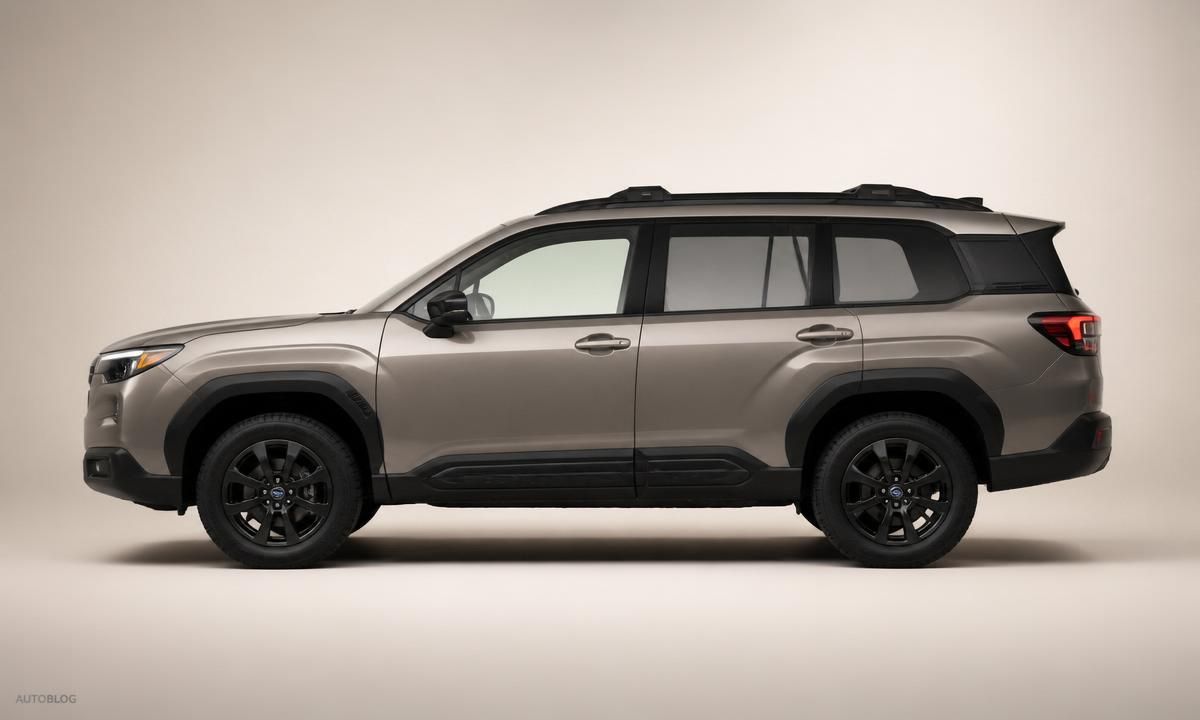
The 2026 Outback is a ground-up redesign: new exterior sheet metal, an all-new interior, and updated safety and infotainment hardware on every trim. It no longer borrows the wagon-influenced shape of the sixth-generation car, and the more upright stance lines it up against crossover SUVs rather than wagons.
Subaru revealed the car in April 2025 at the New York International Auto Show, timed to the nameplate's 30th year on sale. More than 3 million Outbacks have sold in the U.S. across those three decades, and the redesigned lineup arrives in six trims: Premium, Limited, Touring, Limited XT, Touring XT, and Wilderness.
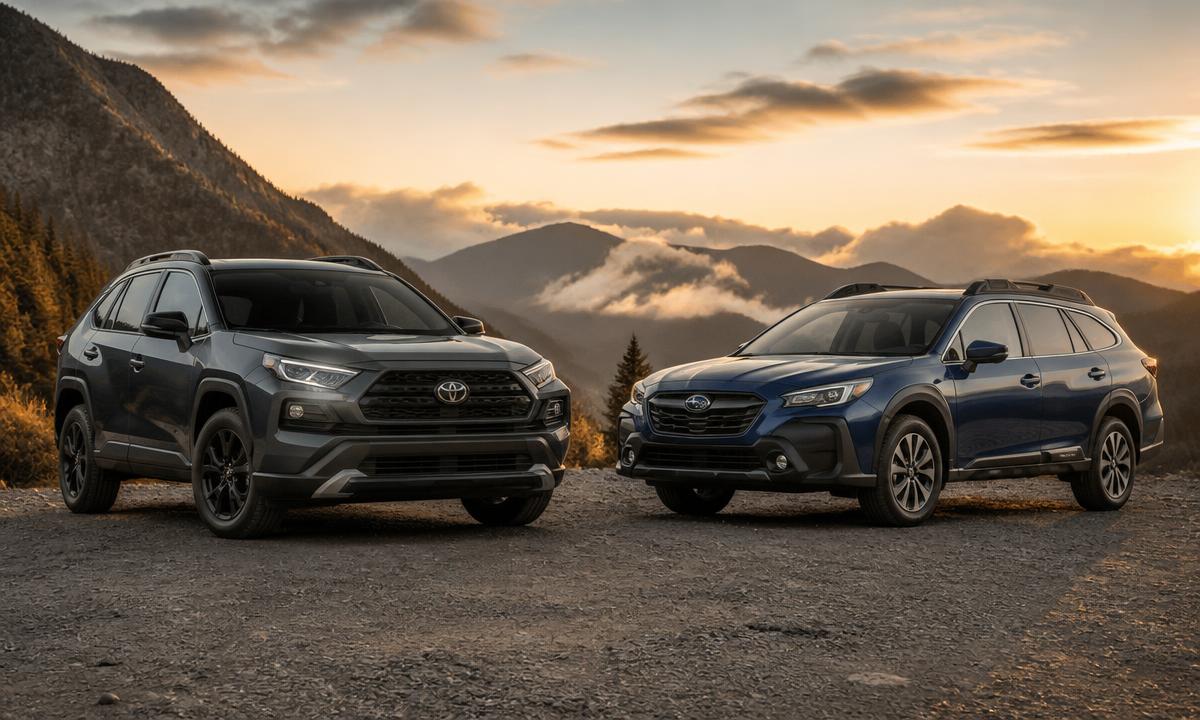
Every trim now includes Symmetrical All-Wheel Drive, the latest EyeSight Driver Assist technology, a 12.1-inch touchscreen with wireless Apple CarPlay and Android Auto, and a 12.3-inch digital gauge cluster as standard. Subaru kept the practical details owners rely on, then wrapped the package in a bolder body aimed at shoppers cross-shopping the Forester, Honda Passport, and Toyota Crown Signia.
Exterior Design Changes
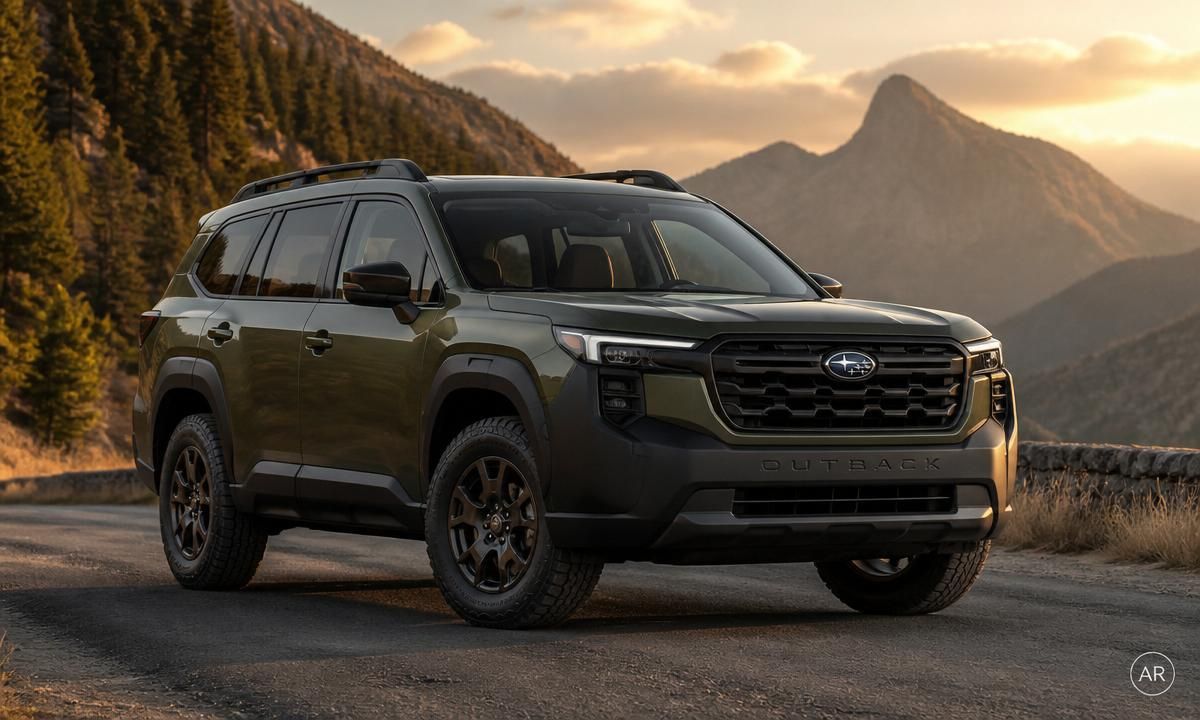
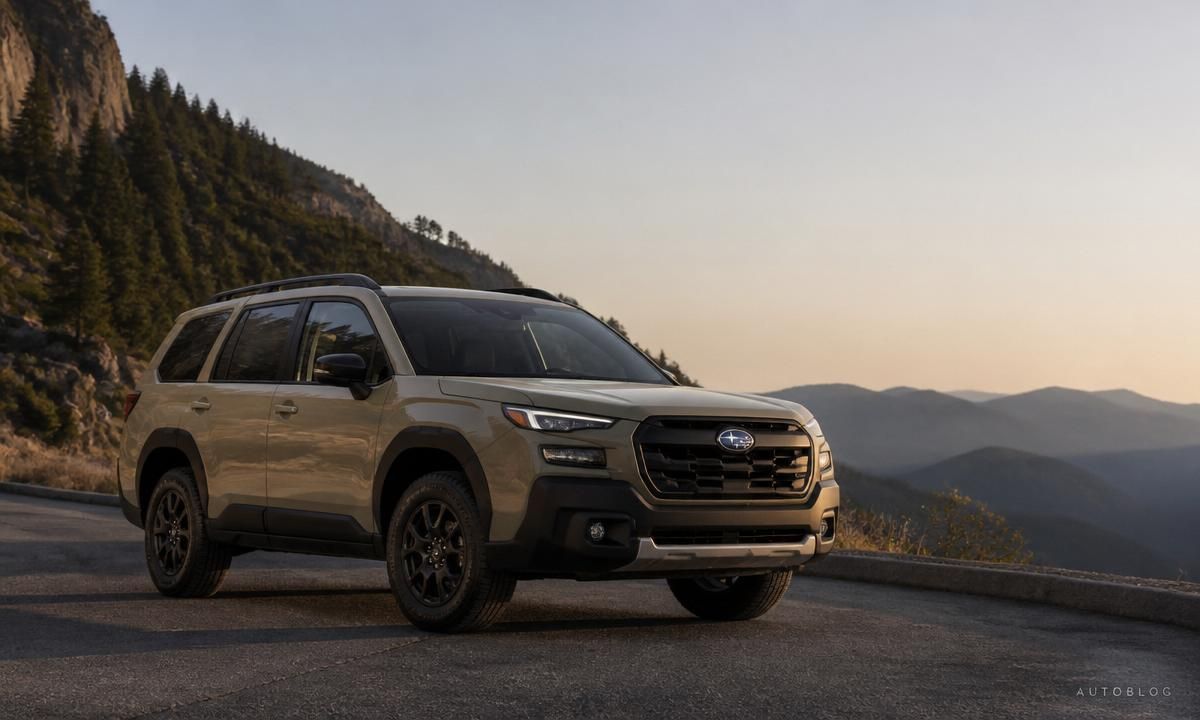
Subaru squared off the nose, flattened the roofline, and raised the body for 2026, so the Outback reads more rugged and upright while keeping a footprint close to the outgoing car. Length, width, and wheelbase carry over largely unchanged.
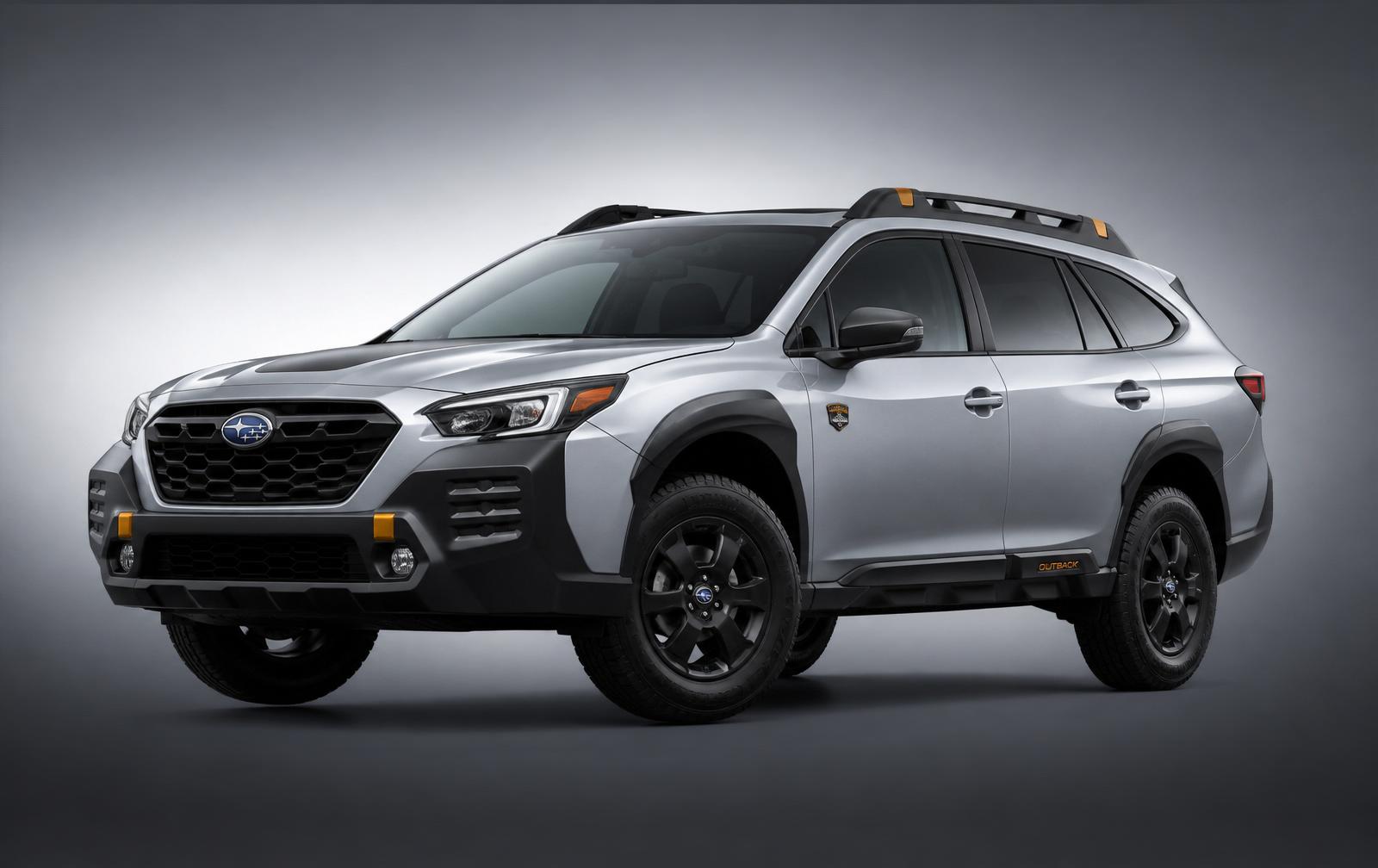
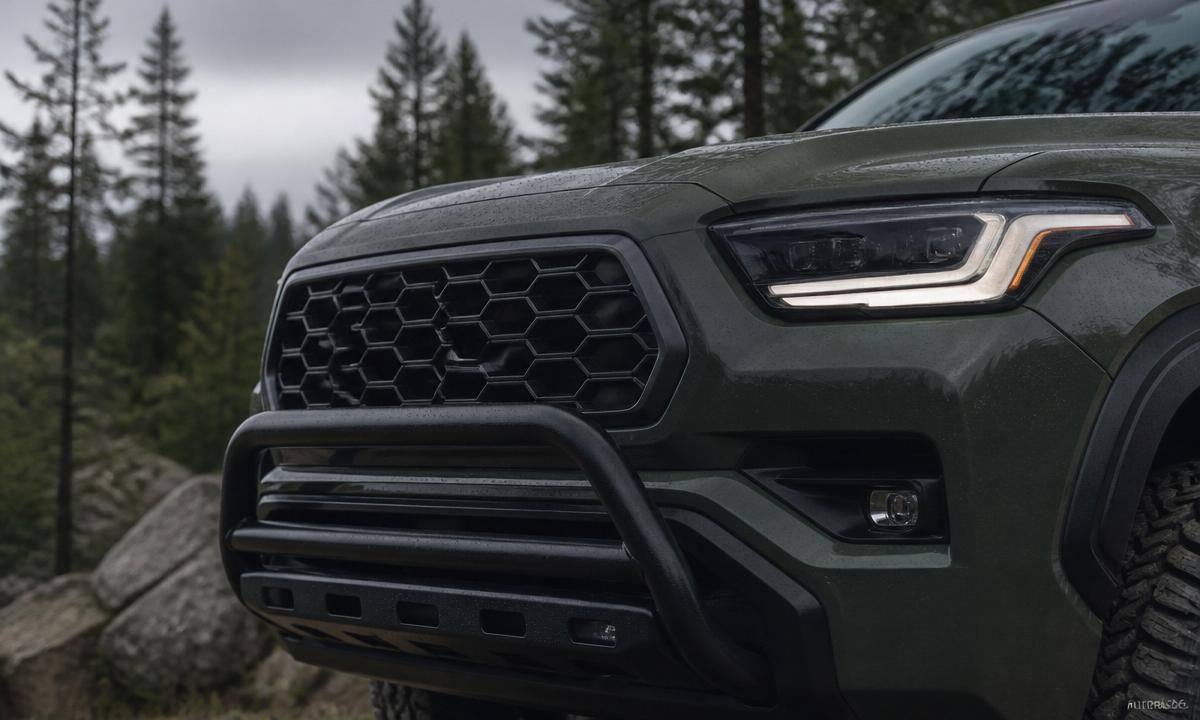
The front end sits higher, with more body-color surfaces and high-mounted LED daytime running lights above the LED headlights set into the corners. The Wilderness gets its own look: a hexagonal grille with large Subaru lettering and a composite brush guard shielding the headlights. At the rear, a full-width light bar spans the liftgate, a steeper rear window frees up cargo space, and the SUBARU badge is removable to make trailer-hitch installation easier.
The taller shape does not mean a much bigger vehicle. The 2026 car stays within an inch of its predecessor on length, keeps the 108.1-inch wheelbase, and holds 8.7 inches of ground clearance on standard trims. The real change is height, roughly two inches taller at about 68.1 inches, which is where most of the added headroom and cargo room come from. Wheels start at 18 inches, with 19-inch wheels offered on an Outback for the first time, while the Wilderness runs 17-inch all-terrains.
Interior Redesign and Cabin Technology
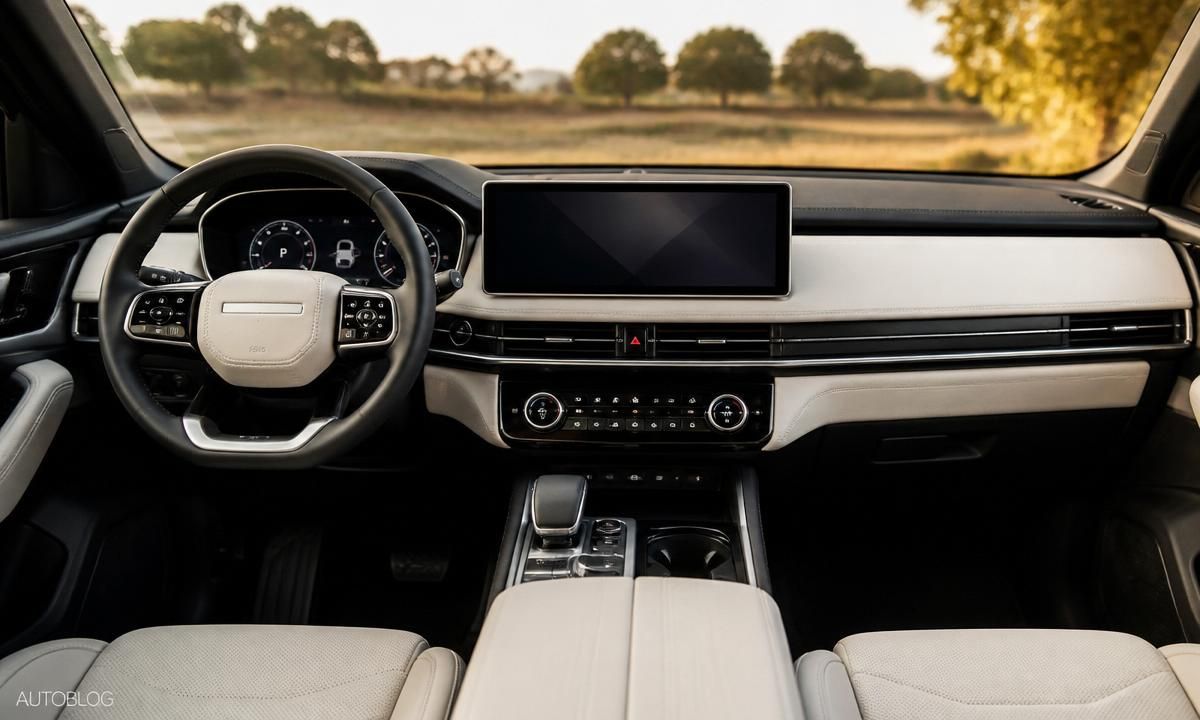
The cabin is entirely new, built around a landscape touchscreen, a full digital gauge cluster, and more usable storage, while keeping physical controls for the functions drivers actually reach for.
The 12.1-inch infotainment screen replaces the old vertical unit and runs on a faster processor with standard wireless Apple CarPlay and Android Auto. It pairs with a 12.3-inch digital instrument cluster that is now standard rather than reserved for upper trims. Physical climate controls sit just below the screen, and X-MODE off-road settings move to a steering-wheel button, which is far easier to use with gloves on.
Storage improves in small, practical ways: larger cupholders, redesigned bottle holders, and a passenger-side clip for tangle-free phone charging. A washable, configurable tonneau cover made from recycled materials comes standard and can split clean and dirty cargo, cover the rear bumper, or act as a pet partition. Cargo behind the rear seats grows to about 34.6 cubic feet, up from roughly 32.6, and expands to about 80.5 with the seats folded. Higher trims add Nappa leather on Touring and Touring XT, and StarTex water-repellent upholstery on the Wilderness.
Engines, Performance, and Off-Road Capability
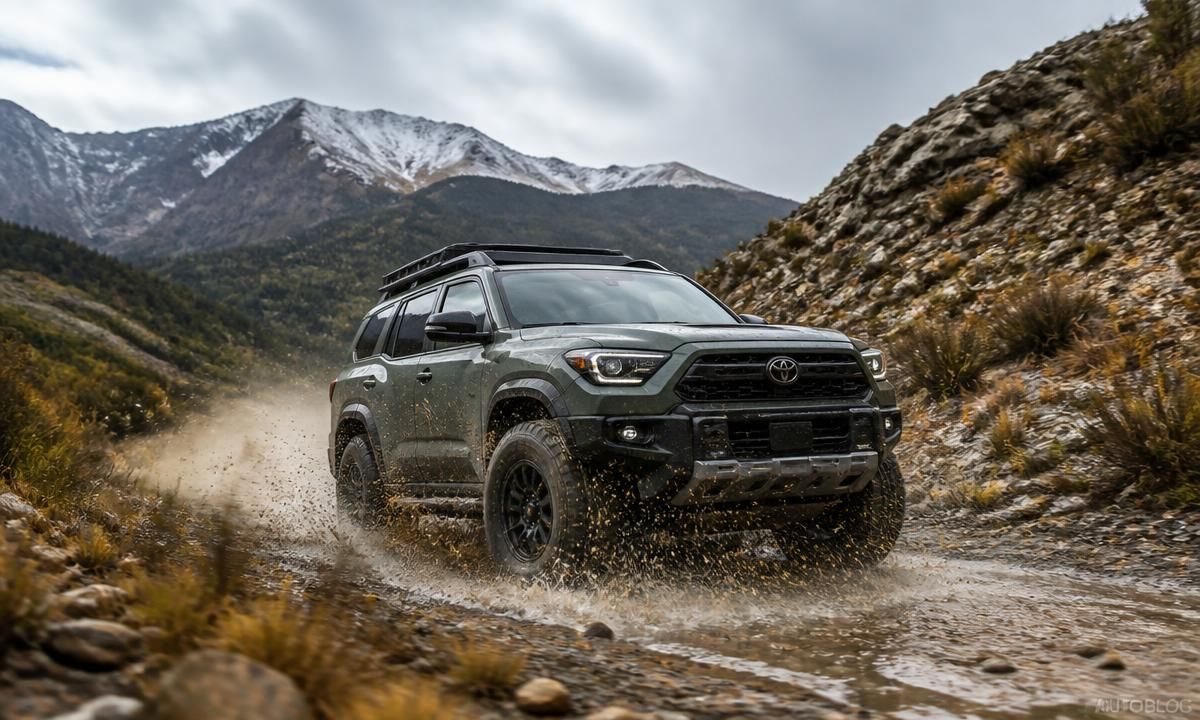
Subaru carries over its two-engine strategy, pairs both with a CVT and standard AWD, and gives the Wilderness its own suspension and gearing for real off-pavement use.
Premium, Limited, and Touring run the naturally aspirated 2.5-liter flat-four, rated at 180 horsepower and 178 lb-ft on regular fuel. Limited XT, Touring XT, and Wilderness step up to the turbocharged 2.4-liter BOXER, making 260 horsepower and 277 lb-ft, which raises towing to 3,500 pounds when properly equipped. Both engines use Subaru's Lineartronic CVT with an 8-speed manual mode, and there is no traditional automatic or manual on offer.
Standard trims keep 8.7 inches of ground clearance; the Wilderness raises that to 9.5. X-MODE adds Snow/Dirt and Deep Snow/Mud modes plus Hill Descent Control, now triggered by that steering-wheel button. The Wilderness earns its badge with front underbody protection, available electronically controlled dampers, and reshaped bumpers for better approach and departure angles. Subaru also revised the gearing and final drive for stronger low-speed climbing, rated up to a 40 percent grade.
Fuel economy slips a little as the price of the added size. EPA-estimated combined ratings run 27 mpg for the base non-turbo trims (25 city / 31 highway), 24 mpg for the turbocharged Limited XT and Touring XT (21 city / 29 highway), and 23 mpg for the Wilderness (21 city / 27 highway). The car is about 100 pounds heavier than before, so most trims give up roughly 1 mpg versus 2025.
The base 2.5 will get you to work and back without complaint. But the turbo is the one this redesign was built around, and on a loaded highway ramp the difference stops being a spec sheet and starts being a decision.
Safety Features and Driver Assistance
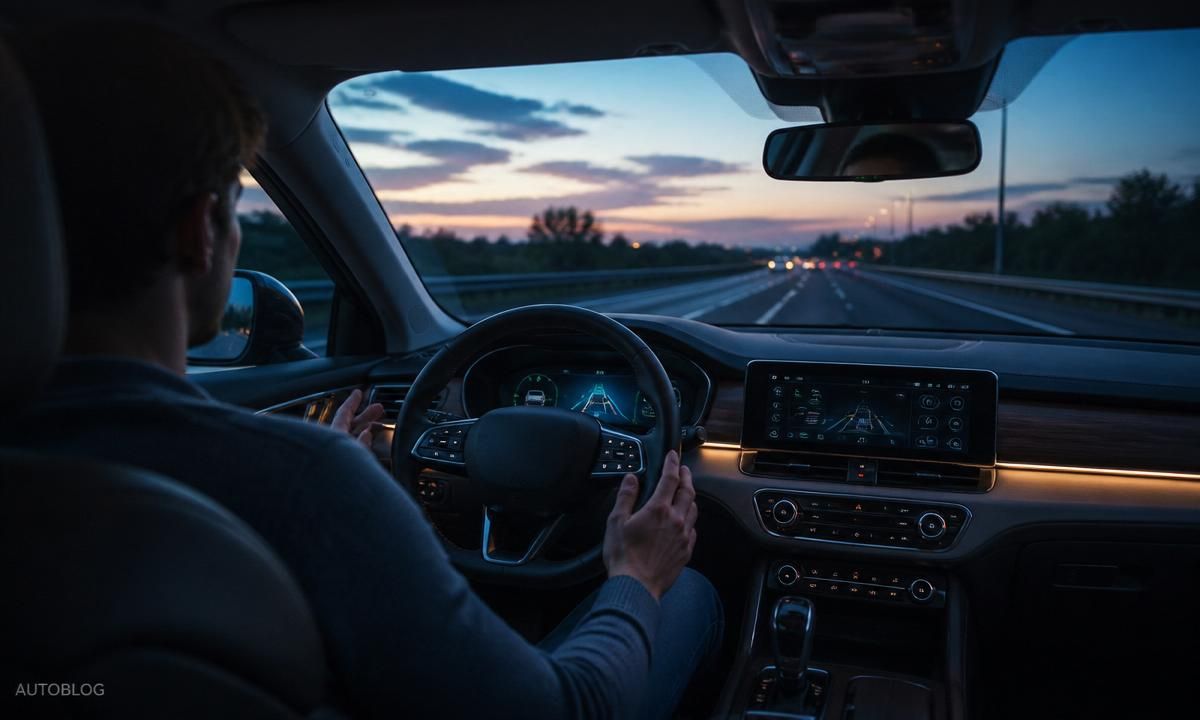
Every 2026 Outback ships with Subaru's latest EyeSight suite, and Touring and Touring XT add a first-for-Subaru hands-free highway system. That hands-free capability is trim-specific, so it is worth confirming exactly what is standard before you compare trims.
The upgraded EyeSight is standard across the line: front pre-collision braking, adaptive cruise control, lane centering, lane departure and sway warning, front cross-traffic braking, and emergency stop assist. Subaru paired it with a second-generation DriverFocus system that uses a wider-angle, higher-resolution camera and infrared LEDs to track eye gaze through most sunglasses and eyeglasses. New for 2026 is Automatic Emergency Steering, which can add steering input alongside braking when the system judges there is room to intervene safely.
The headline addition is EyeSight Highway Hands-Free Assist, standard on Touring and Touring XT. It works on most U.S. highways at up to 85 mph once adaptive cruise is engaged, and it stays a supervised Level 2 system: the DriverFocus camera watches the driver and hands control back if attention drifts. It relies on high-definition map data that needs an active MySubaru Companion subscription, included as a multi-year trial on 2026 models. One rollout wrinkle: Touring and Touring XT models sold on or before January 19, 2026 needed a no-cost dealer software update to switch the feature on, while cars sold after that date arrive with it enabled. For crash-test results on the redesigned model, check current ratings directly at IIHS.org and NHTSA.gov, since those can update after a launch.
2026 vs 2025 Subaru Outback
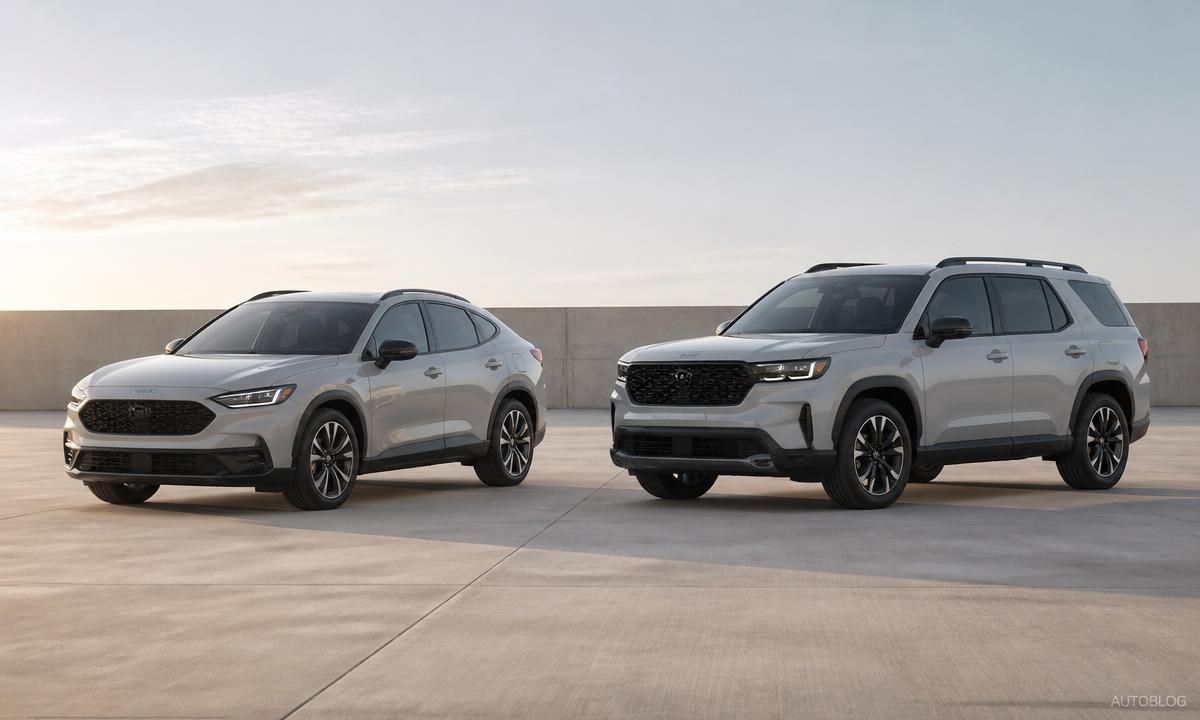
The redesign trades a wagon-inspired shape for a taller, boxier SUV body, standardizes the larger digital cockpit across every trim, and adds available hands-free highway driving. Those gains come with a higher starting price and a modest fuel-economy trade-off.
| Criteria | 2025 Outback | 2026 Outback |
|---|---|---|
| Exterior | Lower, wagon-influenced shape | Upright, boxier SUV body, about two inches taller |
| Interior and tech | 11.6-inch touchscreen, digital cluster on upper trims | 12.1-inch touchscreen and 12.3-inch cluster standard on every trim |
| Cargo (behind rear seats) | About 32.6 cubic feet | About 34.6 cubic feet |
| Driver assistance | EyeSight standard, no hands-free highway mode | EyeSight standard, plus Highway Hands-Free Assist on Touring and Touring XT |
| Fuel economy (base engine) | Around 28 mpg combined | 27 mpg combined |
| Starting price (before destination) | Lower base MSRP | $34,995, higher than the outgoing base |
On styling, the 2025 car kept the traditional low roofline, while the 2026 sits about two inches taller with a flatter roof and a squared-off nose on the same wheelbase. The cabin changed the most: the old 11.6-inch vertical touchscreen and available analog gauges give way to a standardized 12.1-inch horizontal display and full digital cluster on every trim.
The biggest functional gain is Highway Hands-Free Assist, which the 2025 Outback could not get at any price, along with the upgraded DriverFocus system. Engine concepts carry over, but the heavier body nudges combined economy down by about 1 mpg on most trims. Shoppers focused on lower upfront cost or slightly better mileage may still find a well-equipped 2025 competitive on the remaining-inventory or used market.
Pricing, Trims, and Release Date
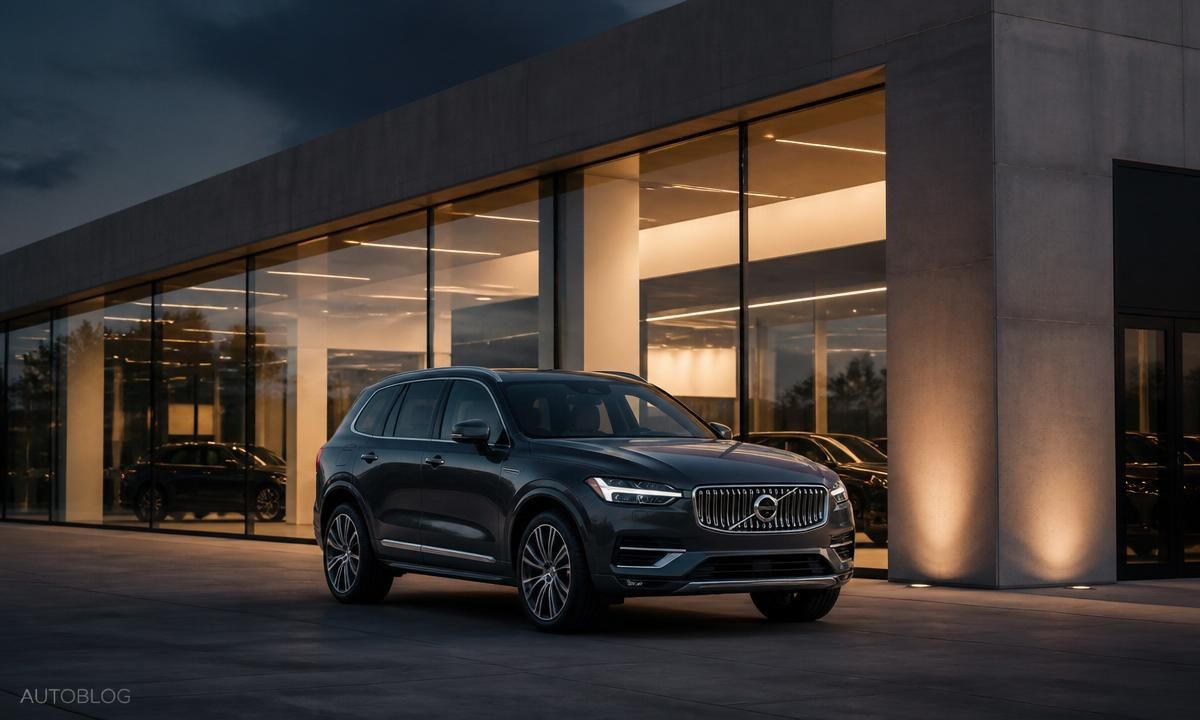
The 2026 Outback comes in six trims. Premium is the entry point; Limited adds leather and a Harman Kardon audio system; Touring tops the non-turbo range with the fullest EyeSight feature set and the most refined interior. Limited XT and Touring XT pair those with the turbo engine, and the Wilderness is the off-road trim with the turbo, lifted suspension, and all-terrain tires.
Subaru's official pricing starts the Premium at $34,995, with the Limited XT at $44,365, the Wilderness at $44,995, the Touring at $45,395, and the Touring XT topping the range at $47,995. All figures come before destination and delivery, which add roughly $1,450. Note that the Wilderness sits just above the Limited XT rather than at the same price, a common point of confusion in dealer guides. Two optional Wilderness packages, at $2,045 and $4,090, add a moonroof, navigation, a surround-view monitor, and, on the higher package, Nappa leather with ventilated seats.
On timing, Subaru unveiled the car in April 2025, announced pricing that August, and started deliveries in late 2025. It has been on sale for several months, so this is a current production vehicle rather than an upcoming one, and it is widely stocked nationwide. You can special-order a specific trim and color combination through a dealer or buy from existing inventory, and Subaru's site includes a dealer locator and build tool for checking local stock and current incentives.
Should You Buy the 2026 Subaru Outback?
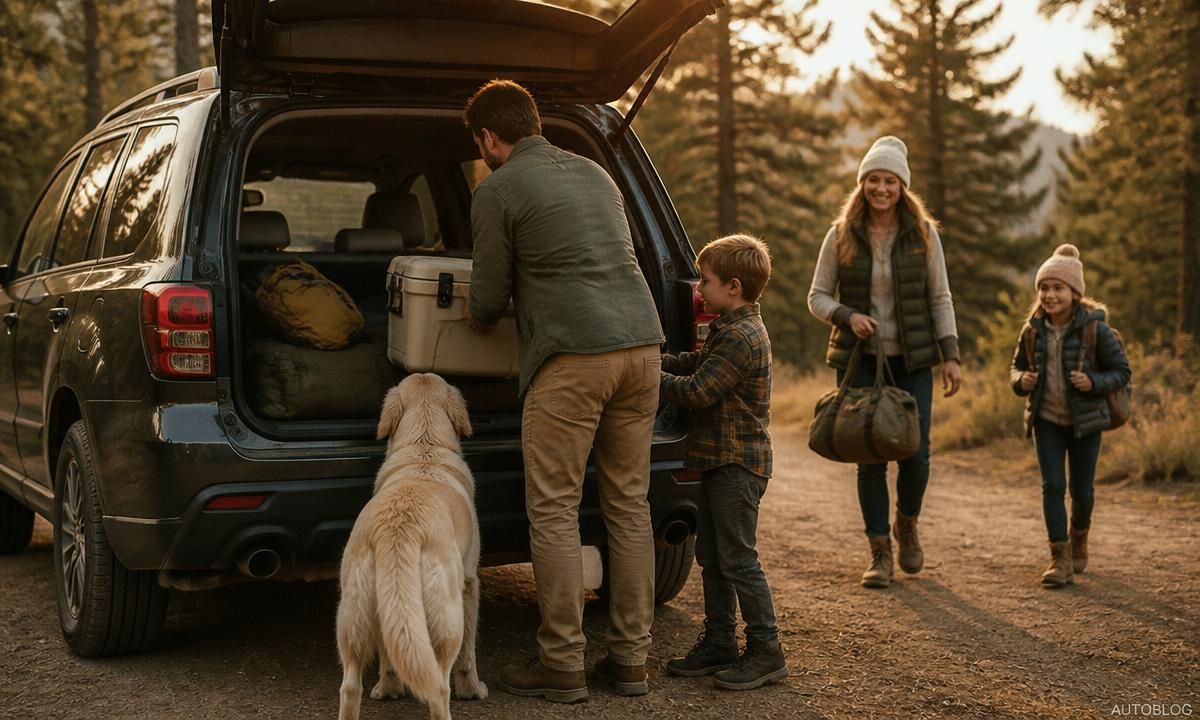
For families, the taller cabin, larger cargo area, and standard EyeSight on every trim make the new Outback easy to recommend. The washable tonneau cover and roomier rear seats earn their keep with car seats, strollers, and muddy gear.
Buyers who regularly leave pavement get the clearest upgrade in the Wilderness. Its 9.5 inches of clearance, electronically controlled dampers, and retuned X-MODE give it a real edge on rough terrain, and it costs only a little more than the Limited XT.
There are reasons to wait. The starting price rose over the outgoing generation, fuel economy dips slightly on most trims, and early Touring buyers ran into rollout friction with the Highway Hands-Free Assist software update, including limited dealer familiarity in the first weeks. Anyone who wants a fully settled ownership experience might prefer a later production run.
There are also reasons to buy now. Even the base Premium includes the 12.1-inch touchscreen, 12.3-inch cluster, and upgraded EyeSight that used to be reserved for pricier trims, so entry-level buyers get far more standard gear than before. Inventory is healthy across most regions, which tends to give buyers more negotiating room than a first-year vehicle usually offers.
Key Takeaways
- ✓A real redesign, not a refresh. New body, new interior, and updated tech on every trim, even if the wheelbase and footprint barely move.
- ✓Boxier on the outside, roomier inside. About two inches taller unlocks more headroom and grows cargo to 34.6 cubic feet behind the rear seats.
- ✓The turbo is the one to want. 260 horsepower and 3,500-pound towing on the XT trims and Wilderness, versus a competent but modest 180-horsepower base engine.
- ✓Hands-free highway driving arrives, with a catch. EyeSight Highway Hands-Free Assist is standard only on Touring and Touring XT, and needs an active map subscription.
- ✓You pay more for more. A $34,995 start is higher than before and economy dips about 1 mpg, but standard equipment climbs sharply across the board.
Did the 2026 Outback's actual dimensions change in the redesign?▾
Barely. Length, width, and the 108.1-inch wheelbase carry over close to unchanged from 2025 — the redesign is concentrated in roofline height, styling, interior, and technology rather than the car's footprint.
What engines are available in the 2026 Subaru Outback?▾
Two. A naturally aspirated 2.5-liter flat-four with 180 horsepower powers Premium, Limited, and Touring, while a turbocharged 2.4-liter with 260 horsepower powers Limited XT, Touring XT, and Wilderness. Both use a CVT and standard Symmetrical All-Wheel Drive.
Does the 2026 Outback have a new interior?▾
Yes. Every trim gets a new dashboard, a 12.1-inch landscape touchscreen, and a 12.3-inch digital gauge cluster, plus redesigned storage and a configurable tonneau cover. The larger screens are standard rather than reserved for upper trims.
When is the 2026 Subaru Outback available?▾
It is already on sale. Subaru began deliveries in late 2025, and the Outback is now in regular production and stocked at dealerships across the U.S., so you can order a configuration or buy from inventory today.
What is the difference between the 2025 and 2026 Outback?▾
The 2026 model has a taller, boxier body about two inches higher, standardizes the larger touchscreen and digital cluster on every trim, and adds available hands-free highway driving. Those changes come with a higher starting price and roughly 1 mpg lower fuel economy on most trims.
Is the 2026 Outback Wilderness worth buying?▾
For buyers who genuinely use off-road capability on trailheads, forest roads, and deep snow, the Wilderness earns its price with extra clearance and an off-road-tuned suspension. For mostly on-pavement driving, a Limited XT delivers similar power for slightly less.
Should current Outback owners upgrade to the redesigned model?▾
It depends on priorities. Owners who prefer the previous generation's lower stance and slightly better fuel economy may not find enough reason to switch. Those who want standardized technology, more cargo room, and available hands-free highway driving will see clear gains.
A Note on Figures
Pricing, EPA ratings, and feature availability reflect Subaru's official announcements at publication. Trims, incentives, and dealer pricing change often, and crash-test ratings can update after launch, so confirm current details with Subaru, a local dealer, IIHS.org, and NHTSA.gov before you buy.
Continue reading