Long Review · 13 min read
2026 Subaru Outback Review: Is the Redesigned SUV Worth Buying?
The seventh-generation Outback trades its wagon look for a boxier SUV body, a bigger touchscreen, and a $34,995 starting price. Is the redesign worth it?
By The Outbaro Desk ·
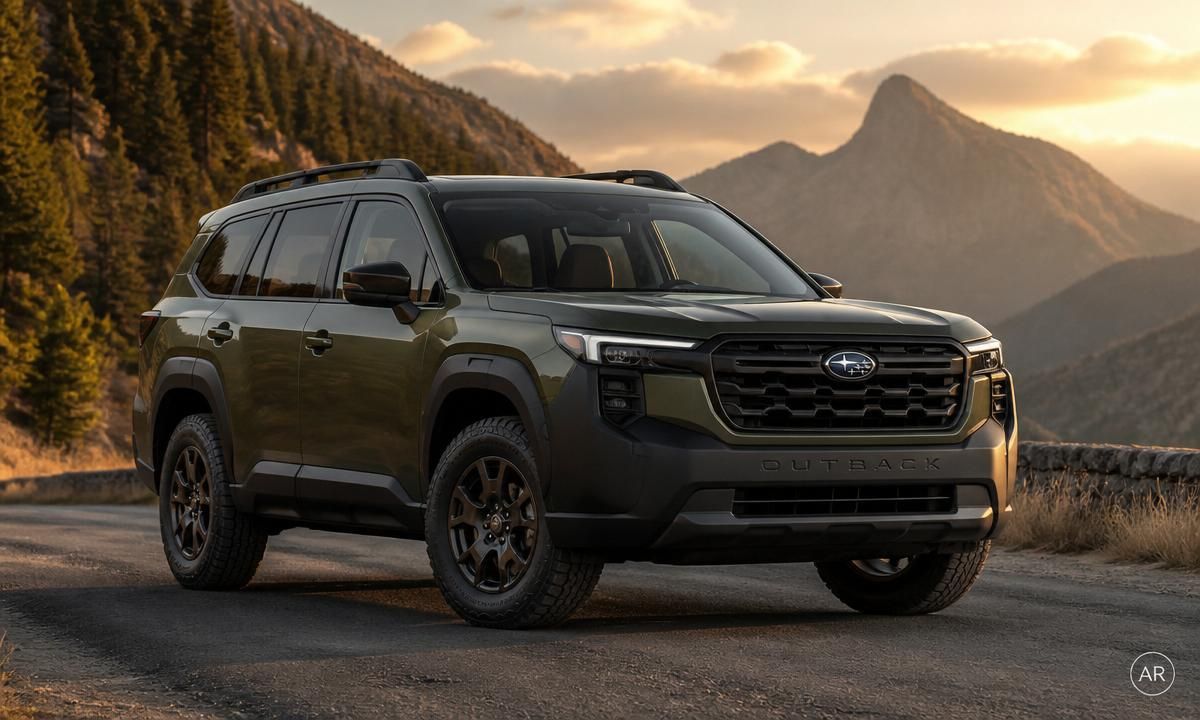
For a car that built its reputation on being the sensible wagon nobody had to think twice about, the 2026 Outback arrives asking a genuine question. Subaru squared off the corners, raised the roof, and handed it a screen big enough to double as a coffee table — then quietly bumped the starting price to $34,995. The seventh-generation redesign trades the low-slung wagon silhouette for a boxier, SUV-like body, and the result is a vehicle that looks tougher, reads more premium, and still does the two things Outback buyers actually pay for: standard all-wheel drive and class-leading safety. Whether that's worth the money depends almost entirely on which engine you choose.
Quick Verdict
The 2026 Outback keeps what made it popular — standard AWD, a comfortable ride, and generous cargo room — while adding a much larger touchscreen, a boxier stance, and an upgraded EyeSight suite that helped it earn IIHS TOP SAFETY PICK+ honors under the agency's toughest-ever criteria.
- Biggest strengths: standard Symmetrical AWD, a genuinely upgraded tech and safety package, an off-road-ready Wilderness trim
- Biggest weakness: occasional hesitation from the base engine and a CVT that offers no real excitement
- Best for: buyers who prioritize all-weather capability, safety scores, and interior space over outright performance
- Consider skipping if: you want a more engaging drive, need three-row seating, or want a lower starting price than the outgoing model offered
What's New for the 2026 Subaru Outback?
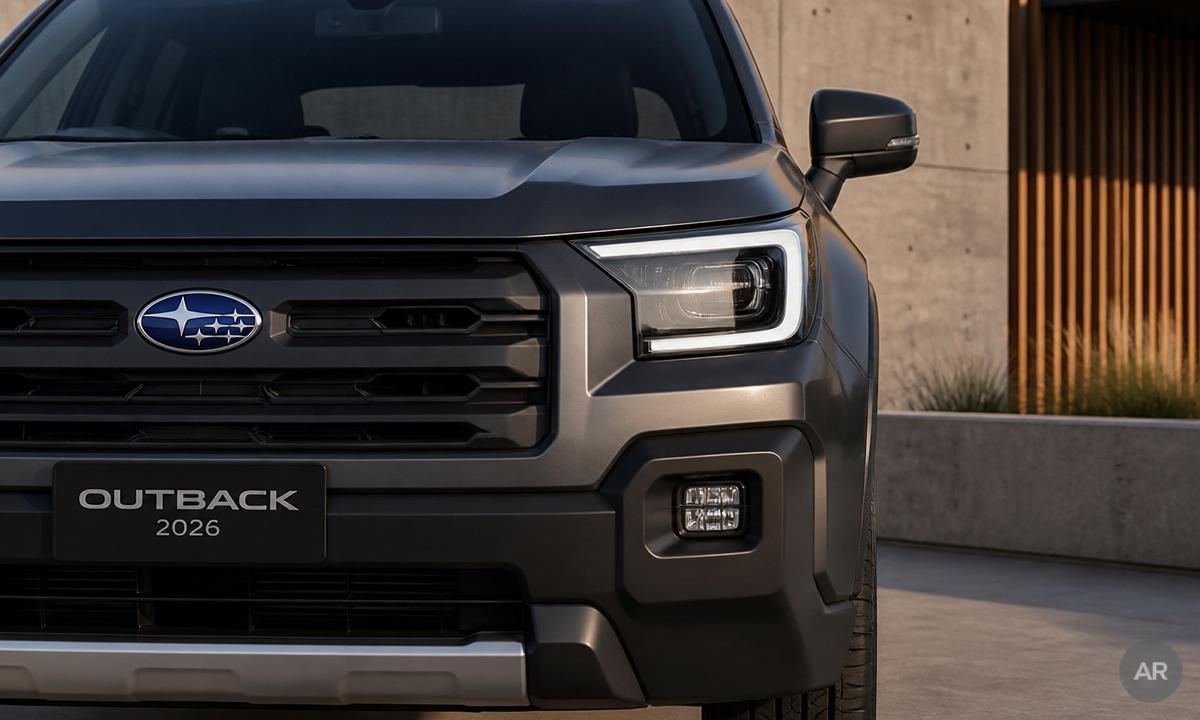
Subaru of America began announcing pricing on the all-new Outback in August 2025, marking the model's seventh generation with new styling, updated technology, and an expanded driver-assistance suite. The changes go well beyond a facelift — but the underlying dimensions are less dramatic than the sheet metal suggests. Car and Driver notes the wheelbase, length, and width are essentially unchanged from the outgoing 2025 model; Subaru raised the roofline and squared the styling rather than growing the footprint.
The lineup spans six trims — Premium, Limited, Touring, Limited XT, Touring XT, and Wilderness. A 2.5-liter naturally aspirated BOXER carries over on Premium, Limited, and Touring, while a 2.4-liter turbo BOXER powers the XT trims and Wilderness. All pair with a Lineartronic CVT (8-speed manual mode) and standard Symmetrical AWD. Ground clearance holds at 8.7 inches, rising to 9.5 inches on Wilderness.
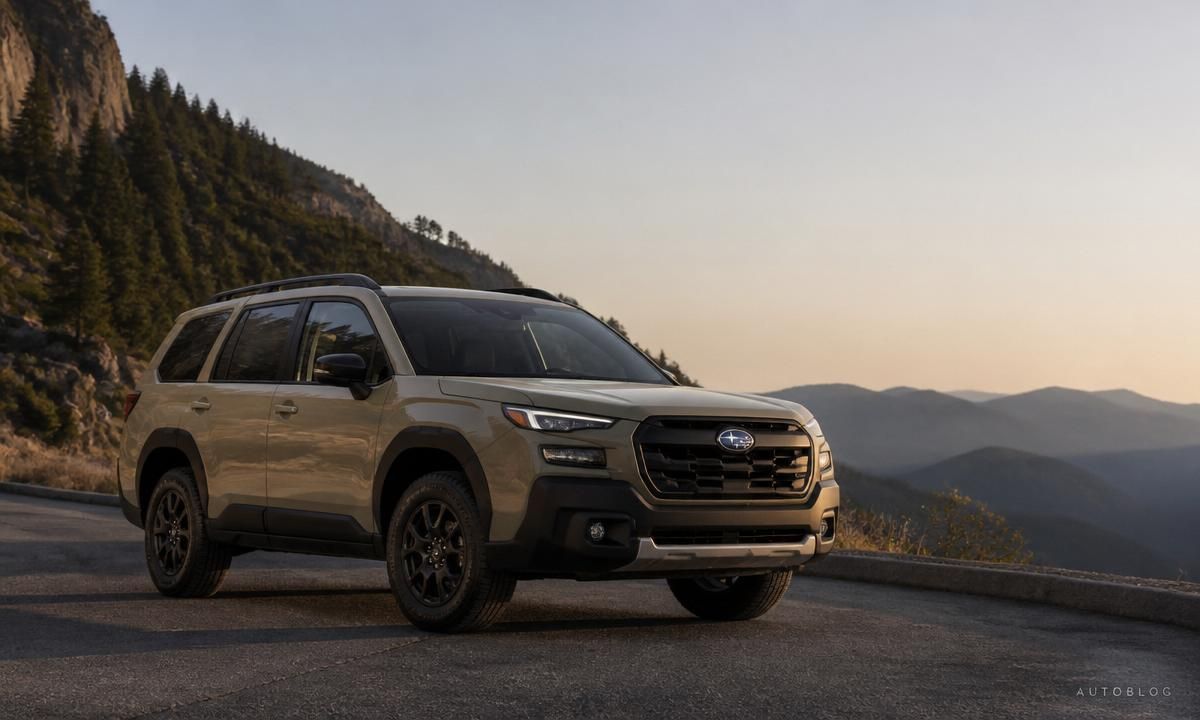
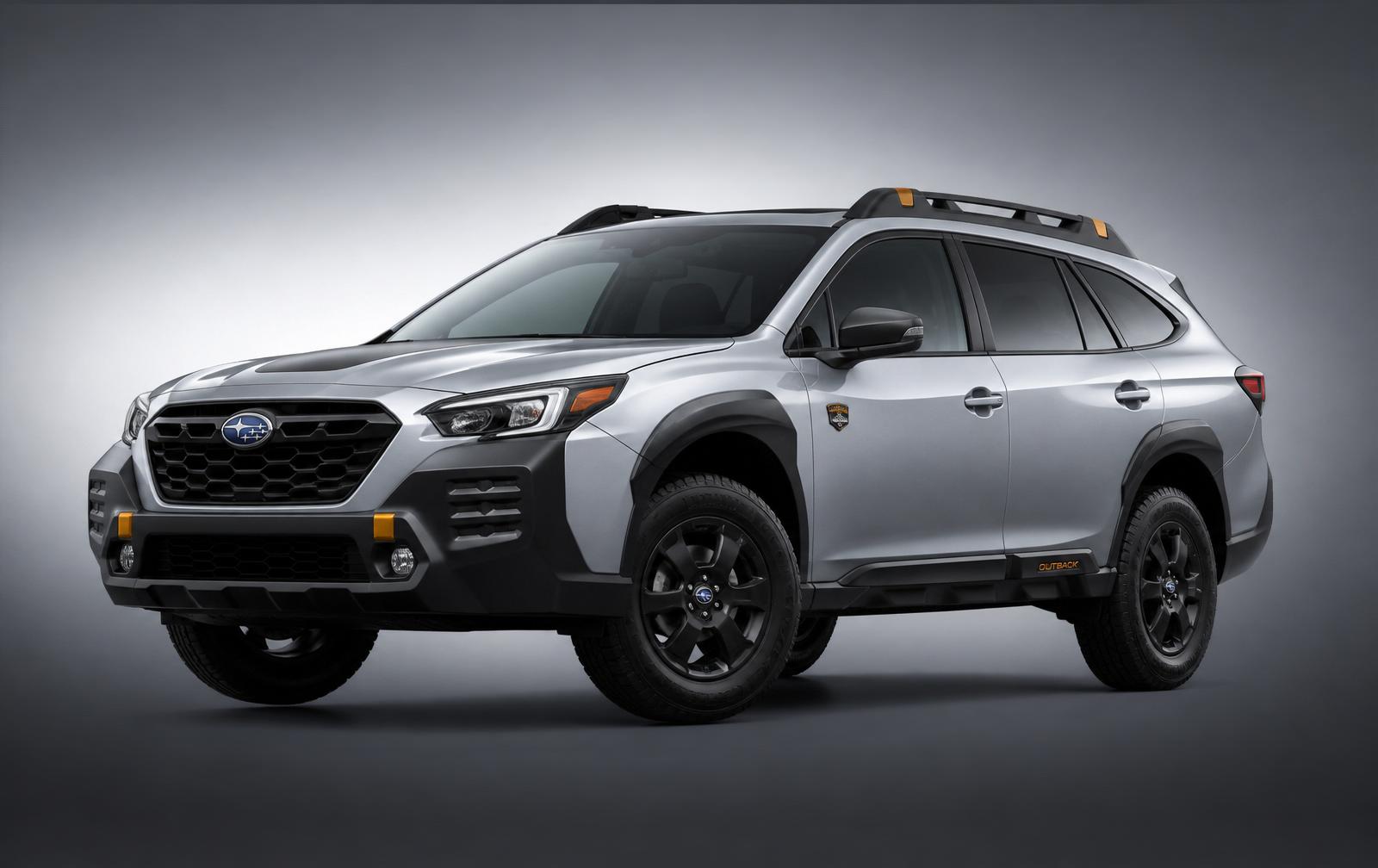
Exterior Changes. Subaru dropped the softer lines and rounded corners of the outgoing car for a squarer nose, boxier shoulders, and more upright pillars — a look that reads considerably more SUV-like even though the body isn't appreciably longer or wider. It grew about an inch taller, mostly to answer old complaints about headroom.
Interior and Technology Updates. The obvious cabin change is a wider infotainment layout, and Subaru wisely restored physical climate buttons alongside it. Every 2026 Outback gets a 12.1-inch horizontal touchscreen — running a Qualcomm Snapdragon 8 Automotive processor and cutting glare by roughly 80% versus the old 11.6-inch unit — plus a 12.3-inch digital cluster. EyeSight gains a new triple-camera setup, with available Hands-Free Assist and Emergency Stop Assist. Edmunds' long-term testers called it a substantial improvement, while noting some functions still take more than one step.
Performance and Driving Experience
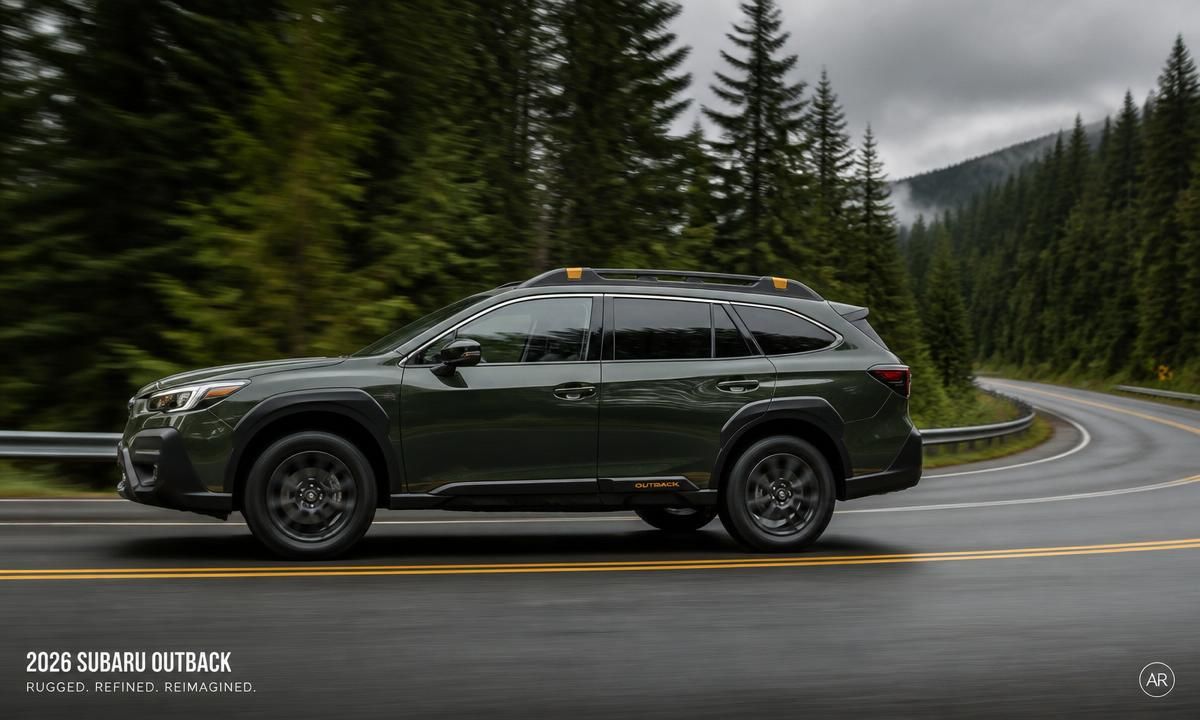
Subaru carried over both familiar BOXER engines rather than introducing something new — but with a wider trim spread, the powertrain you pick shapes the car's character more than ever.
Base Engine. The standard 2.5-liter BOXER makes 180 hp and 178 lb-ft on Premium, Limited, and Touring. Independent testers clock 0–60 mph in roughly 8 to 8.2 seconds, with outlets including Autoweb and MotorWeek noting occasional hesitation under load. It's fine for commuting, unremarkable by class standards, and rated at 25 city / 31 highway mpg.
Turbo Engine. The 2.4-liter turbo produces 260 hp and 277 lb-ft on Limited XT, Touring XT, and Wilderness. Edmunds clocked a turbo Outback at 6.5 seconds to 60 mph — enough to make merging and passing far less stressful — while CarBuzz recorded 6.36 seconds in a Wilderness. EPA drops to 21/29 mpg on the XT trims and 21/27 on Wilderness. For anyone cross-shopping on drivability, the turbo is the clearer recommendation.
Ride and Handling. The redesigned Outback rides with more composure and grip than its predecessor, though the ride is firmer than expected — especially on XT trims with 19-inch wheels. Edmunds' instrumented testing posted a 0.83 g skidpad result, about 0.3 g better than before, and a senior editor there noted improved body control that leaves it less prone to leaning. Consumer Reports found the traditionally strong ride carries over, with good bump absorption on- and off-road. Braking dipped slightly, with a 60-to-0 stop of 128 feet — about two feet longer than the old car.
Off-Road Capability. Standard clearance is at least 8.7 inches; Wilderness rides 9.5 inches off the ground — higher than the Honda Passport TrailSport's 8.3, though the Passport counters with better approach and departure angles. Real-world traction on the Wilderness's Bridgestone Dueler all-terrains was mixed: Car and Driver found them struggling at several points, while testers on rocky Arizona and California terrain came away more positive. X-Mode remains, and the standard turbo gives it usable power for climbing.
The base 2.5 isn't a bad engine; it's a fine one wearing a $35,000 price tag it can't quite justify. Spend a moment behind the turbo and the whole car reorganizes itself around confidence. If your budget stretches to an XT, that's not an upsell — it's the Outback the redesign was actually built for.
Interior, Comfort, and Cargo
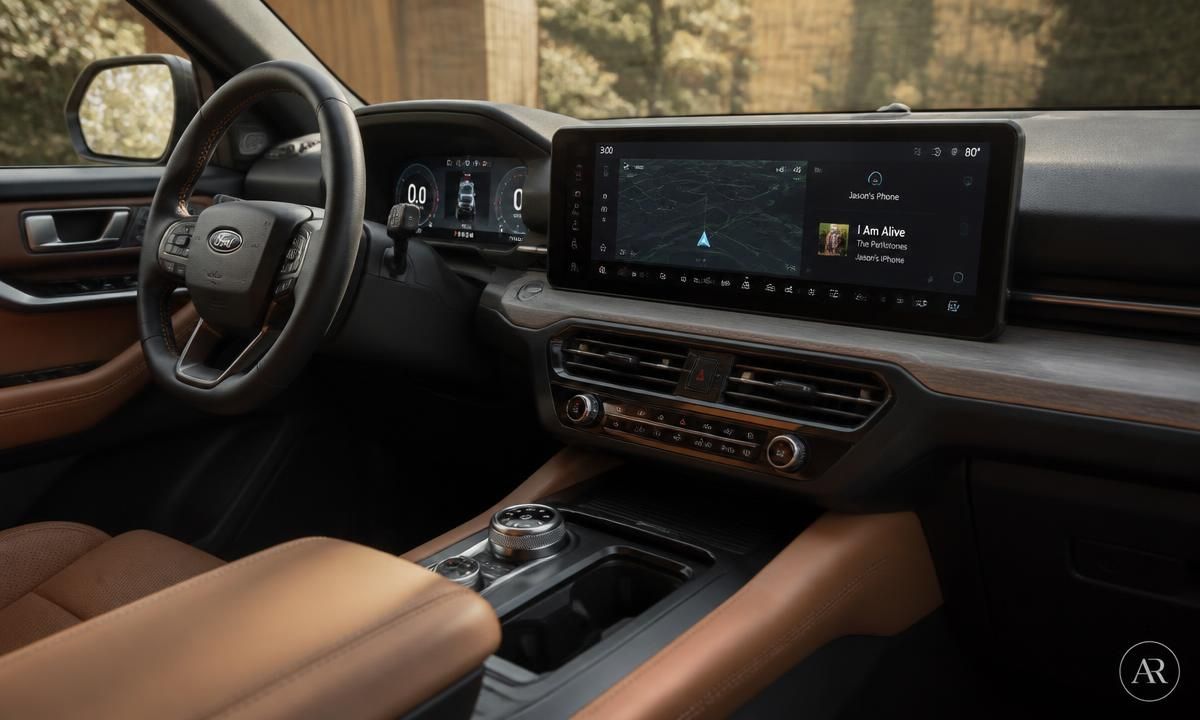
Subaru reshaped the roofline and cabin to add usable space without meaningfully growing the footprint — the payoff is more headroom, more cargo volume, and a wider, better-organized dashboard than before.
Seating and Comfort. Testers describe the front seats as comfortable and roomy, though the adjustment controls sit on the door rather than the seat. Official figures list up to 112.3 cubic feet of passenger volume (111.1 with the moonroof), 43 inches of front legroom, and 39.5 inches in the rear. Consumer Reports also praised the outward visibility, crediting thin pillars and large windows.
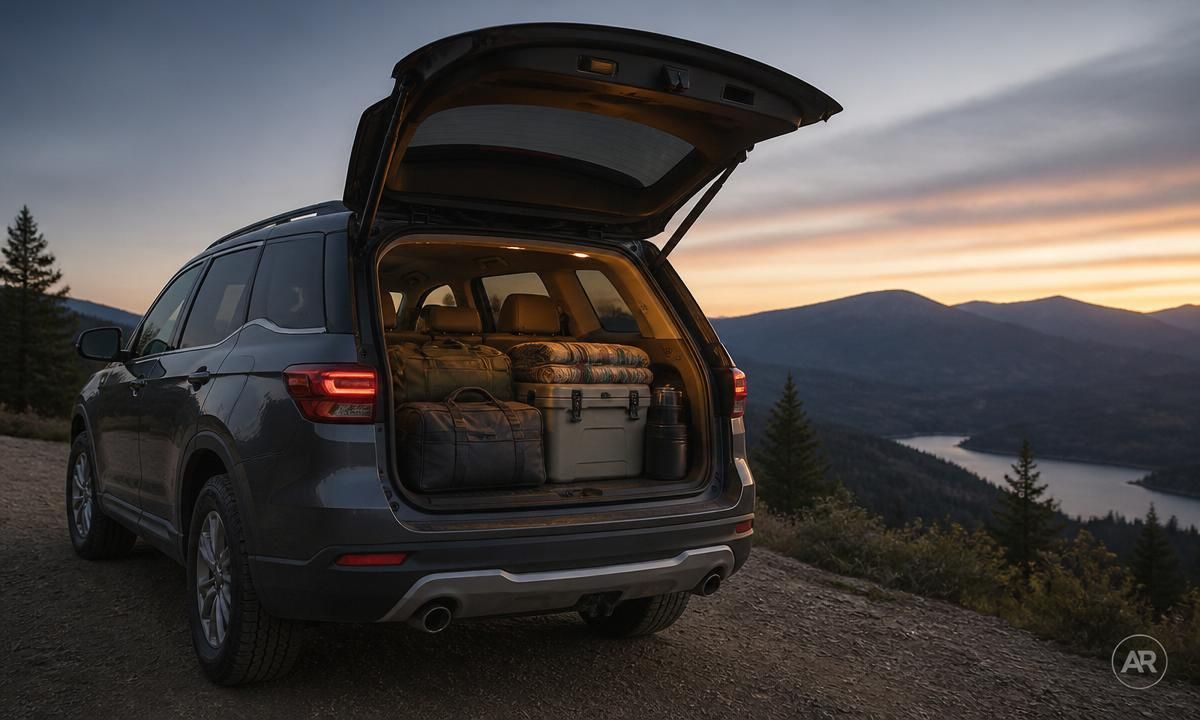
Cargo Space. Cargo behind the rear seats measures 34.6 cubic feet, expanding to 80.5 with the second row folded — up from 32.6 and 75.6 on the 2021–2025 car. Subaru achieved most of that by raising the roof about two inches, which also makes the opening taller and squarer. Car and Driver fit 12 carry-ons behind the seats, and 29 with them folded.
Infotainment and Connectivity. The 12.1-inch screen is now horizontal, replacing the old vertical unit, and pairs with the 12.3-inch gauge cluster. Even with physical climate controls restored, Consumer Reports found some functions still need more than one step — though Edmunds' long-term testers, running a Touring XT, called the system a massive improvement over prior Subaru infotainment.
Safety and Driver Assistance
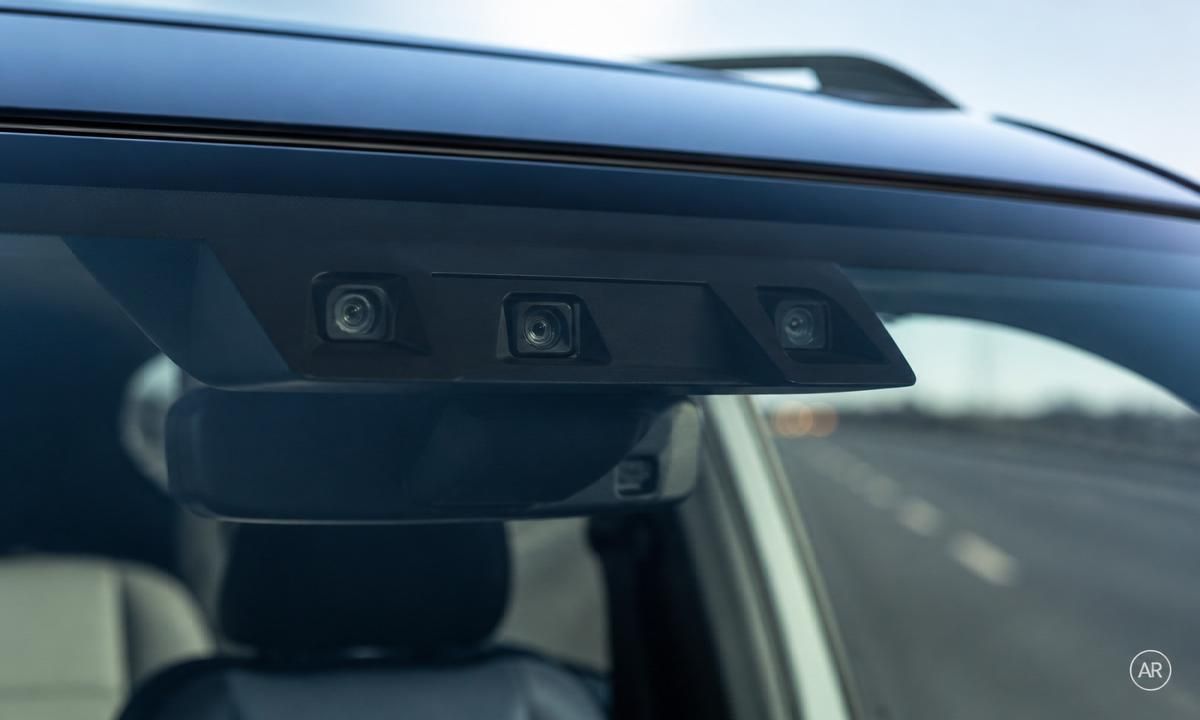
Every 2026 Outback comes standard with the upgraded EyeSight suite, and the model earned IIHS TOP SAFETY PICK+ — including the Wilderness — under IIHS's tougher 2026 criteria, making safety one of the redesign's clearest wins.
Under those criteria, the toughest to date, a vehicle must earn "Good" in the updated moderate overlap front test — which for the first time adds a rear-seat dummy — to qualify. Subaru says structural changes (more high-strength steel, more structural adhesives, chassis-bolted seats) improved crash-energy absorption by about 40 percent. Central to the package is EyeSight, an SAE Level 2 system with standard Pre-Collision Braking and Automatic Emergency Steering, now aided by a triple-camera array that spots pedestrians and cyclists earlier.
| Feature | Availability |
|---|---|
| Advanced Adaptive Cruise Control with Lane Centering | Standard |
| Pre-Collision Braking, Automatic Emergency Steering | Standard |
| Emergency Stop Assist with Safe Lane Selection | Available |
| Highway Hands-Free Assist (up to 85 mph) | Touring and Touring XT only |
One caveat for shoppers eyeing upper trims: Highway Hands-Free Assist isn't standard — it's limited to Touring and Touring XT.
Trims, Pricing, and Best Value
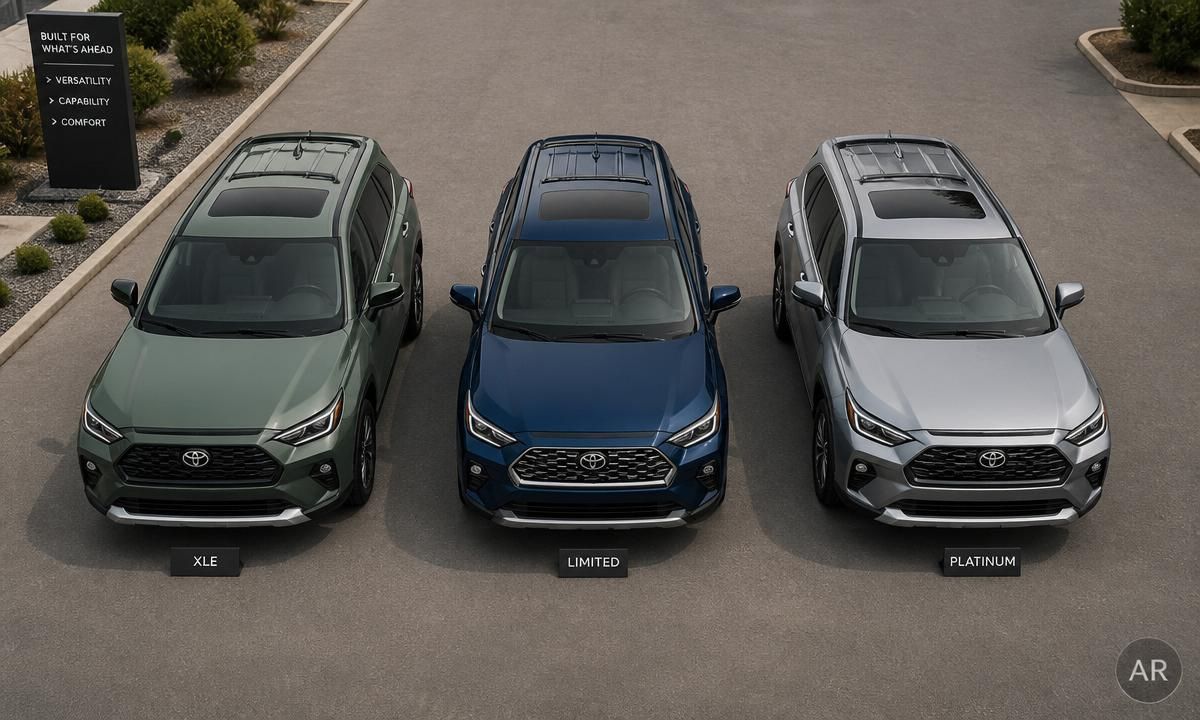
Subaru discontinued the old base Outback for 2026, making the upgraded Premium the new entry point — with more standard tech and safety gear than the trim it replaces. Pricing is set by engine and equipment, not body style. Figures below are official Subaru MSRP and exclude destination, tax, title, and registration.
| Trim | MSRP | Engine | EPA (city/hwy) |
|---|---|---|---|
| Premium | $34,995 | 2.5L, 180 hp | 25 / 31 mpg |
| Limited | $41,715 | 2.5L, 180 hp | 25 / 31 mpg |
| Limited XT | $44,365 | 2.4L turbo, 260 hp | 21 / 29 mpg |
| Wilderness | $44,995 | 2.4L turbo, 260 hp | 21 / 27 mpg |
| Touring | $45,395 | 2.5L, 180 hp | 25 / 31 mpg |
| Touring XT | $47,995 | 2.4L turbo, 260 hp | 21 / 29 mpg |
Which Trim Should You Buy? For most buyers, Limited XT strikes the best balance: it adds the turbo, 19-inch wheels, a surround-view monitor, and dual exhaust over the standard Limited without reaching Touring pricing. Budget shoppers should stick with Premium, which now includes EyeSight, the 12.1-inch screen, and AWD — features that once required a higher trim. Wilderness and Limited XT share a price, but Wilderness suits buyers who genuinely use trail access; its raised suspension and all-terrain tires are dead weight for pavement drivers. Touring and Touring XT top the range for those who want the fullest EyeSight suite and the most refined cabin.
How the 2026 Outback Compares With Rivals
Outback vs Honda Passport. In Edmunds' testing the turbo Outback outsprinted the Passport — 6.5 seconds to 60 mph versus 7.9 for the Passport's 285-hp V6 — while holding a fuel-economy and price edge at every comparable trim. The Passport wins on raw space, with 44 cubic feet behind the second row versus 34.6, and a 5,000-pound tow rating. Choose the Passport for cargo and towing; the Outback for efficiency and value.
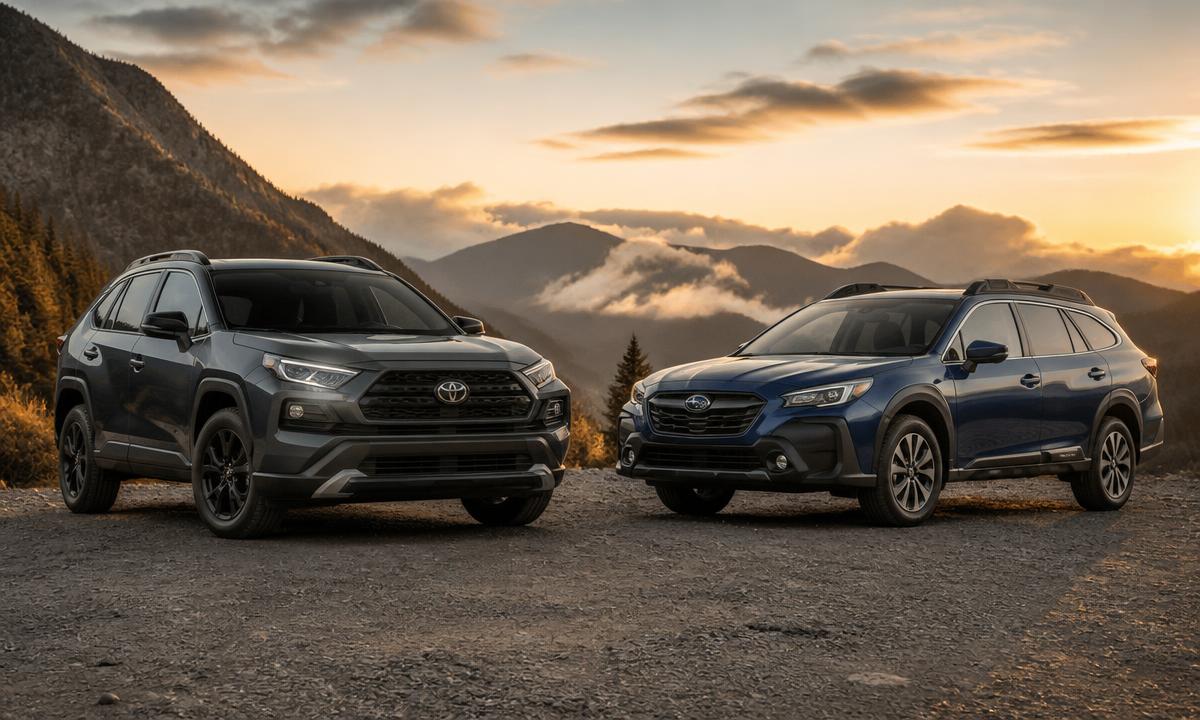
Outback vs Toyota RAV4. The 2026 RAV4 is now hybrid-only (226–236 hp; the separate Plug-In Hybrid tops both at 324) and far more efficient. Cargo splits by measurement: the RAV4 offers more seats-up (37.8 vs 34.6) but the Outback wins seats-down (80.5 vs 70.4) and on total passenger volume. The RAV4 suits mileage-chasers; the Outback suits buyers who need passenger room.
Outback vs Mazda CX-50. The CX-50 starts lower at $29,900 and drives sportier, with an optional turbo making up to 256 hp on premium fuel — yet Edmunds clocked it at 7.2 seconds to 60, slower than the Outback XT's 6.5. Subaru counters with more passenger and cargo room and a standard digital cluster. The CX-50 wins on handling and price; the Outback on space and value once options match.
Outback vs Hyundai Santa Fe. The 2026 Santa Fe is hybrid-only from about $36,150, with 231 hp and standard front-wheel drive. Its real differentiator is seating — it's a three-row SUV for six or seven, while the Outback seats five. Need occasional third-row space or hybrid efficiency? Santa Fe. Prioritize standard AWD, off-road capability, and cargo flexibility? Stay with the Outback.
Pros, Cons, and Final Verdict
Pros
- Standard Symmetrical AWD and an EyeSight suite that earned IIHS TOP SAFETY PICK+ under stricter 2026 testing
- More maximum cargo volume than before — 80.5 cubic feet seats-down, versus 75.6 previously
- A turbo engine that's genuinely quick and beats several rivals in independent testing
- Wilderness trim with 9.5-inch ground clearance for real off-road use
Cons
- Base engine still shows occasional hesitation and modest acceleration
- Starting price has risen meaningfully over the outgoing generation
- Ride can feel stiff on rough terrain with larger wheels, and the Wilderness's all-terrains drew mixed traction reviews
- Rivals like the Passport and CX-50 offer more seats-up cargo or a sportier drive; the RAV4 beats it on seats-up space
The 2026 Outback is worth buying for anyone who wants standard AWD, strong safety credentials, and flexible cargo space without stepping up to a three-row SUV. Stick with the base engine only if you're travelling light; otherwise the turbo trims justify their premium. Shoppers chasing maximum seats-up room, hybrid efficiency, or the lowest entry price may be better served by the Passport, RAV4, or CX-50 respectively — but for the broad middle of the midsize-SUV market, the redesigned Outback remains one of the segment's safest, most practical choices.
Key Takeaways
- ✓The redesign is real, the footprint isn't. New styling and a taller roof, but wheelbase, length, and width barely move.
- ✓Buy the turbo if you can. 260 hp and a 6.5-second 0–60 transform the car; the 180-hp base engine feels its price.
- ✓Safety is the headline. TOP SAFETY PICK+ under IIHS's toughest criteria, standard across the lineup.
- ✓Limited XT is the value sweet spot. Turbo, 19-inch wheels, and surround-view without Touring money.
- ✓Know the trade-offs. Rivals beat it on seats-up cargo, hybrid economy, entry price, or a sportier drive — pick your priority.
Is the 2026 Subaru Outback completely redesigned?▾
Yes — it's the seventh generation, with all-new styling, upgraded tech, and expanded driver assistance, though length, width, and wheelbase closely mirror the 2025 model.
Which 2026 Outback trim offers the best value?▾
Limited XT, at $44,365, pairs the turbo with mid-tier equipment — 19-inch wheels and a surround-view monitor — without Touring-level pricing.
Is the turbocharged Outback worth the extra cost?▾
For most drivers, yes. The base engine needs about 8 seconds to 60 mph and can hesitate; the turbo cuts that to roughly 6.2–6.5 and tows and merges with far less strain.
How capable is the Outback Wilderness off-road?▾
It has 9.5 inches of clearance, more than the Passport TrailSport's 8.3, but its all-terrain tires struggled at points in a Car and Driver test — serious off-roaders may want upgraded rubber.
Has Subaru improved the infotainment for 2026?▾
Yes — Edmunds called the new 12.1-inch touchscreen a massive improvement, though Consumer Reports found some functions still take more than one step.
How does the 2026 Outback compare with the Honda Passport?▾
The Outback is quicker in turbo form, more efficient, and cheaper at every comparable trim; the Passport offers more cargo behind the second row and higher towing.
Is the 2026 Subaru Outback a good family SUV?▾
It's a strong two-row family SUV thanks to generous rear space and top safety scores, but families needing a third row should consider the Santa Fe or another three-row alternative.
Note
Pricing, EPA ratings, and safety-award details reflect Subaru's official pricing announcements and IIHS's March 2026 award. Trim availability, incentives, and dealer pricing change frequently — confirm current figures with Subaru or a local dealer before purchase.
Continue reading