Field Notes · 4 min read
An Outback, Across the Outback
Three thousand kilometers of red dirt, one wagon, and a field-notes account of what "capable" actually means once the pavement runs out.
By Priya Chandra ·
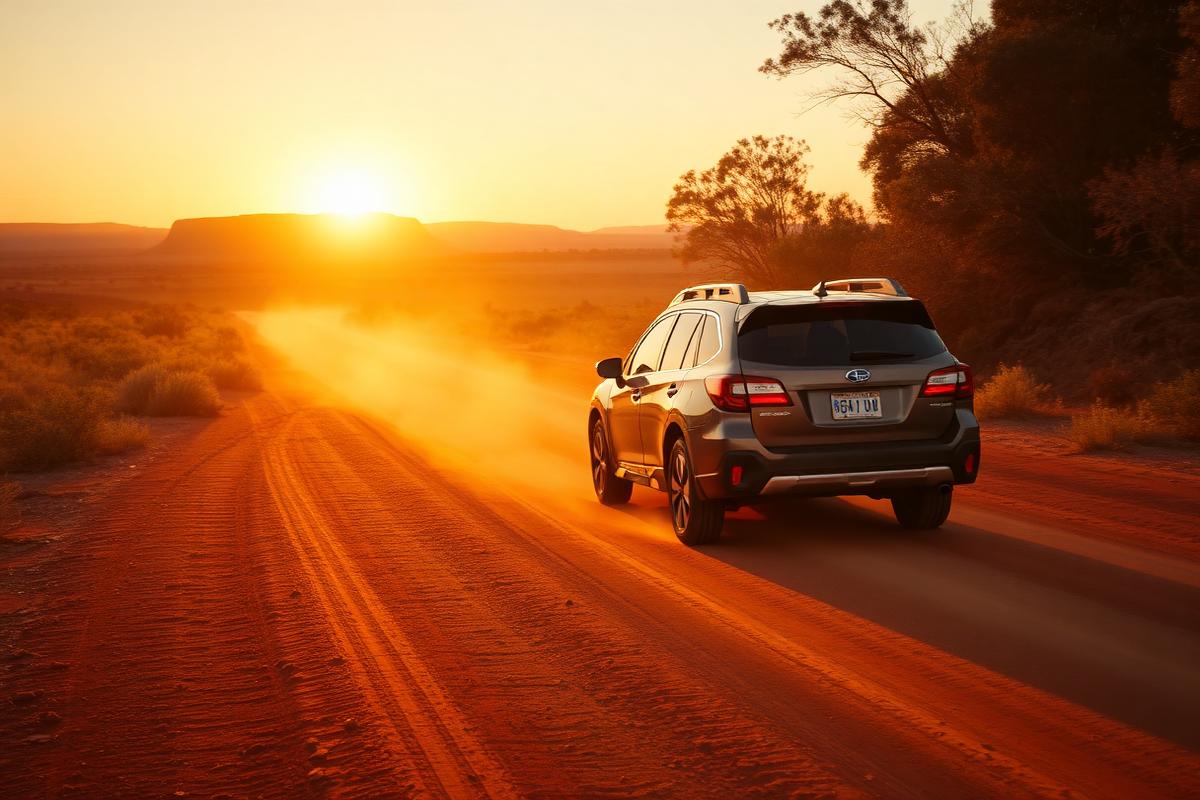
The joke writes itself: take a Subaru Outback across the actual Australian outback. We did it anyway, and the joke turned into something closer to a love letter.
Why the Outback, Specifically
The plan was simple on paper and stupid in practice: a loop through the red center, most of it on unsealed roads, in a car that's marketed on capability but rarely tested against the thing its name is borrowed from. No support vehicle, no sponsorship gear list, just fuel stops and whatever the car could actually deliver on its own.
What the Road Actually Demanded
The car swallowed corrugated tracks that would have shaken a lesser wagon apart. It never overheated, never protested, never asked for anything more than fuel and the occasional wash. Corrugation is the real test of a car like this — not a single dramatic obstacle, but hours of relentless small impacts that find every weak point in a suspension. This one didn't have one.
Somewhere between Coober Pedy and Alice Springs, the badge on the tailgate stopped feeling like marketing and started feeling like a promise the car had already kept. There's a specific kind of trust that builds on a long, empty road — not excitement, just the quiet confidence that the next three hundred kilometers won't be a problem.
What I'd Do Differently
Fuel planning matters more than any spec sheet number — stretches between stations ran longer than expected more than once, and there's no substitute for carrying more than you think you'll need. Tire pressure adjustments for unsealed roads made a bigger difference to ride comfort than anything else we changed along the way. Neither is a knock on the car; both are just what remote driving actually teaches you, regardless of what you're driving.
It wasn't the fastest way to cross the country, and it was never trying to be. It was the way that let the car do exactly what it was built to do, uninterrupted, for three thousand kilometers.
If you're considering an Outback for your own trip
Continue reading