Comparison · 6 min read
Outback vs Forester: Which Subaru Fits Your Life?
Same badge, same drivetrain philosophy, two very different cars. Here's a straightforward, spec-honest breakdown of which one actually fits your daily driving.
By Jordan Peel ·
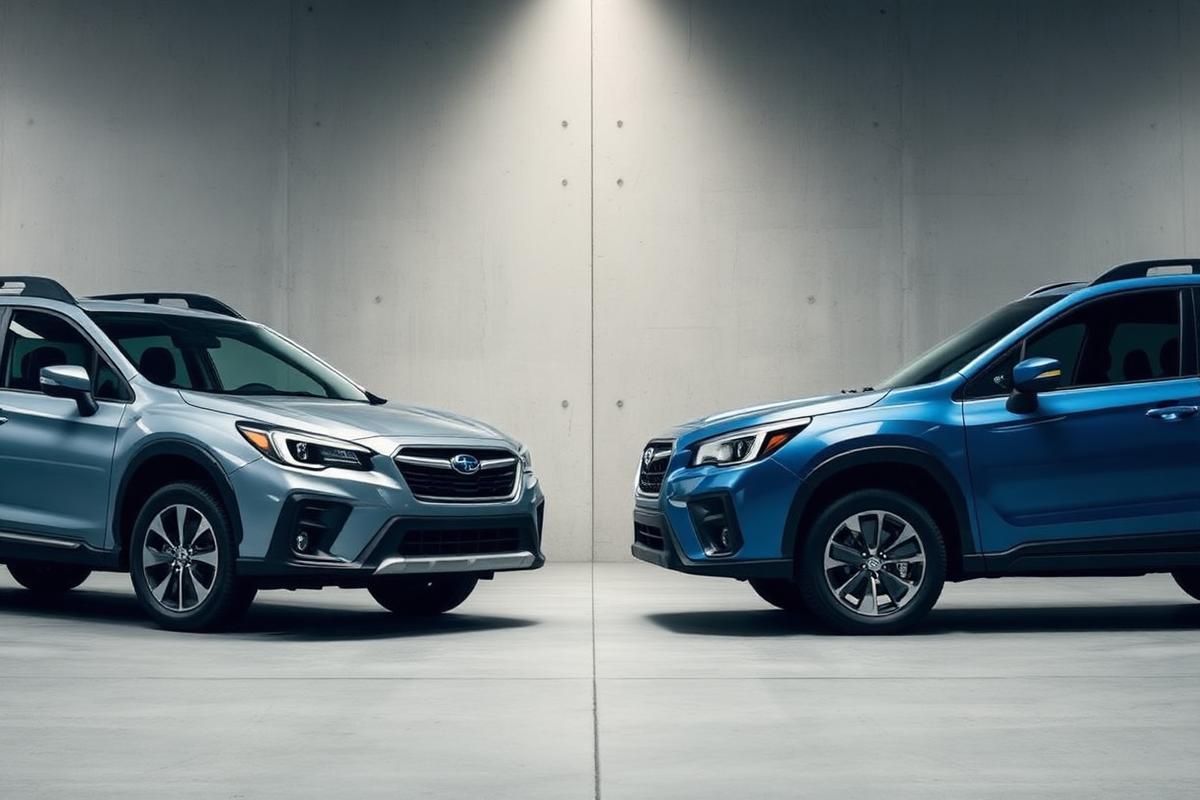
On paper, the Outback and Forester share almost everything: standard Symmetrical All-Wheel Drive, a boxer engine, and Subaru's philosophy of quiet capability. In practice they feel like siblings raised in different houses, and the right pick comes down less to badge loyalty than to how you actually drive day to day.
Where the Forester Wins
The Forester is upright, airy, and easy to park. Visibility is exceptional thanks to a tall greenhouse and thin pillars, the cargo floor is flat, and the whole car has a boxy honesty that makes daily errands and tight parking lots feel effortless. If most of your driving is measured in minutes rather than hours — the school run, the grocery store, city streets — the Forester's compact footprint and upright sightlines make it the easier car to live with.
Where the Outback Wins
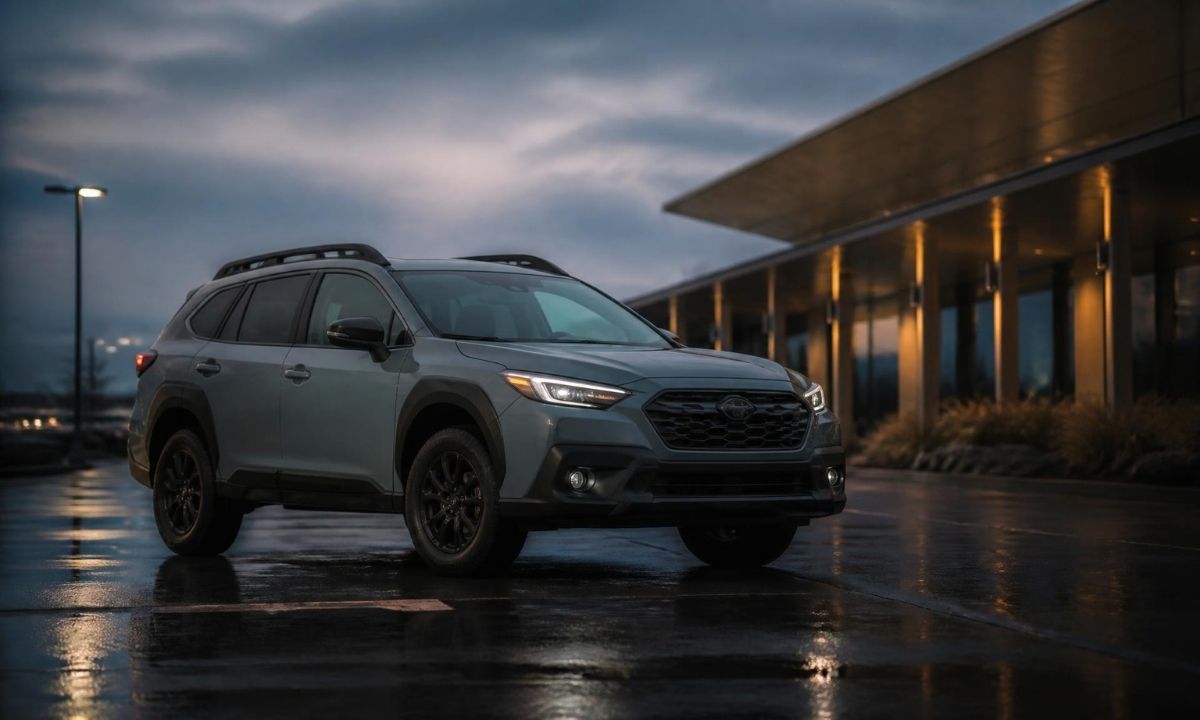
The Outback is longer, lower, and — especially in Wilderness trim — noticeably more planted at highway speeds. It rewards distance. Ground clearance runs 8.7 inches on standard trims and climbs to a class-leading 9.5 inches on the Wilderness, which also adds all-terrain tires and off-road-tuned suspension the Forester doesn't offer. If most of your driving is measured in hours rather than minutes, or if weekend trail access actually matters, this is the one.
| If you mainly need to... | Better fit |
|---|---|
| Navigate city streets and tight parking | Forester — tighter turning circle, taller sightlines |
| Cover highway miles comfortably | Outback — longer wheelbase, more planted at speed |
| Load a flat cargo floor for daily errands | Forester — boxier shape keeps loading simple |
| Handle real off-road ground clearance | Outback Wilderness — 9.5 in. of clearance vs. 8.7 in. standard |
| Take regular road trips with gear | Outback — more cargo depth behind the rear seats |
How to Decide
Think about your last ten drives, not your next road trip fantasy. If most of them were short and local, the Forester's easier footprint will serve you better every single day. If several of them were long hauls or gravel-road weekends, the Outback's extra length and available Wilderness trim will pay off far more often than it costs you in parking-lot convenience.
Pick the Forester for the city and the school run. Pick the Outback for the weekends you keep promising yourself.
Key Takeaways
- ✓Both share standard Symmetrical All-Wheel Drive and Subaru's boxer-engine philosophy — the difference is body style, not drivetrain philosophy.
- ✓Forester: tighter footprint, flatter cargo floor, easier daily parking and visibility.
- ✓Outback: longer wheelbase, more highway composure, and — in Wilderness trim — real off-road ground clearance the Forester doesn't match.
- ✓Decide based on your actual weekly driving pattern, not the trip you take twice a year.
Do the Outback and Forester both come with standard all-wheel drive?▾
Yes — Subaru's Symmetrical All-Wheel Drive is standard across both nameplates, which is a big reason shoppers cross-shop them in the first place.
Which is better for occasional off-roading, Outback or Forester?▾
The Outback, especially in Wilderness trim, which raises ground clearance to 9.5 inches and adds all-terrain tires and off-road-tuned suspension. The Forester leans more toward pavement and light-duty use.
Is the Forester easier to park than the Outback?▾
Generally, yes. Its shorter, more upright body and taller greenhouse make it easier to place in tight parking spots and city traffic than the longer, lower Outback.
If you're leaning toward the Outback
Continue reading