Owner's Field Guide · 10 min read
What Is X-Mode on the Subaru Outback? A Complete Guide to How It Works
X-Mode retunes the throttle, transmission, AWD, and brakes together to sharpen grip on snow, mud, ice, and steep grades. Here's exactly what it does, and when to leave it off.
By Editorial Team ·
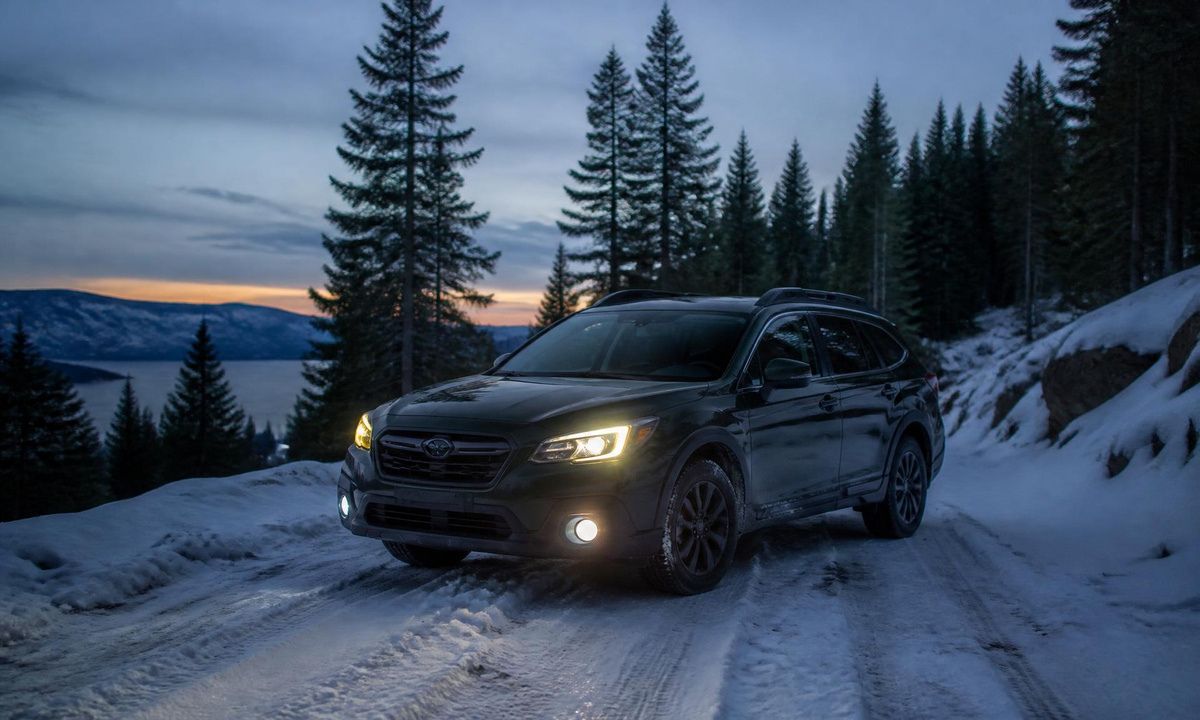
There is a small button near the shifter that most Outback owners press once, during their first bad winter, and then quietly forget. It does more than its size suggests. X-Mode is Subaru's electronic traction and stability system, standard on every 2026 Outback trim, and it works alongside Symmetrical All-Wheel Drive to sharpen grip on snow, mud, ice, gravel, and steep grades. One press retunes the throttle, transmission, and brakes at once. This guide walks through exactly what happens when you use it, and when you shouldn't.
Key Takeaways
- ✓X-Mode is a software overlay, not extra hardware — it retunes throttle, transmission, AWD, and brakes together for grip.
- ✓It works below roughly 18 mph, with Hill Descent Control under 12 mph, and disengages on its own at higher speeds.
- ✓Use it for snow, ice, mud, gravel, steep grades, and wet grass. Skip it on dry pavement, highways, and normal commuting.
- ✓Standard X-Mode is on every 2026 trim. Dual Function, with Snow/Dirt and Deep Snow/Mud modes, is Wilderness only.
- ✓It complements winter tires and ground clearance, it does not replace them — respect the limits of a crossover.
What is X-Mode on the Subaru Outback?
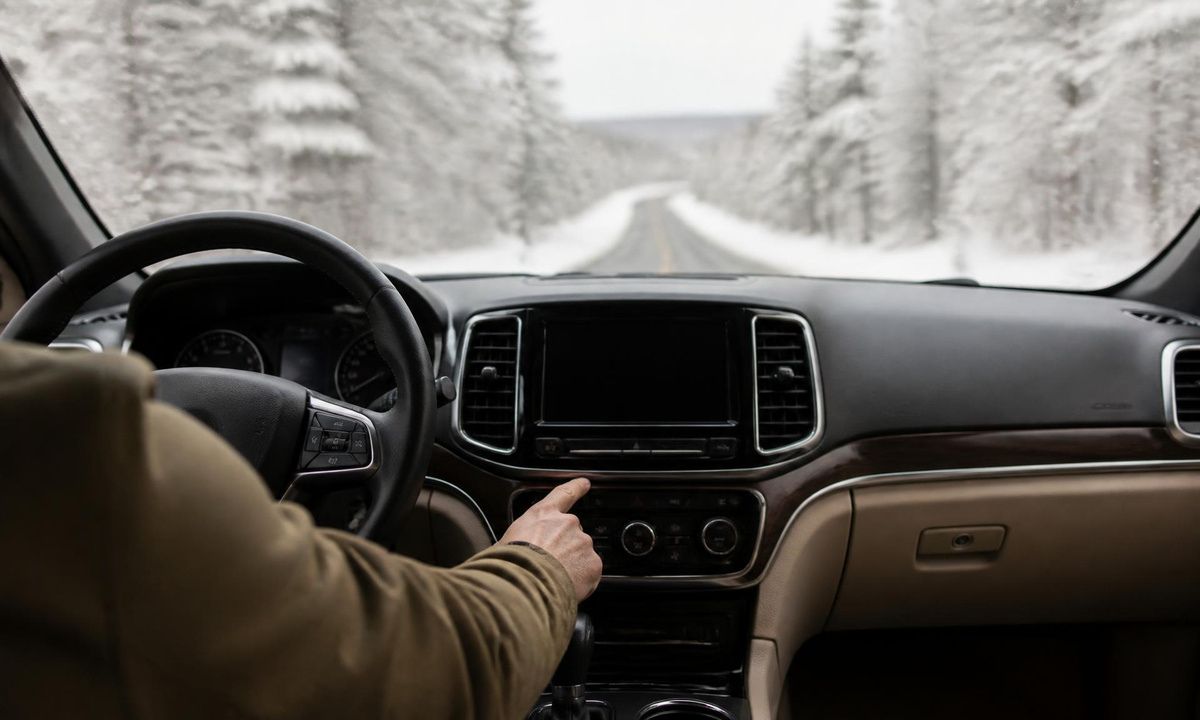
X-Mode is a driver-activated system that fine-tunes the Outback's engine, transmission, AWD, and brakes together to maximize grip in low-traction, low-speed conditions. It is built for the moments when the road turns treacherous: icy weather, steep hills, mud, or light off-road driving. Importantly, it is not a separate mechanical part bolted onto the car. It is a software layer that reconfigures how the existing drivetrain behaves.
Every Outback comes with Symmetrical AWD as standard, and that system is always active, continuously shifting power away from wheels that begin to slip. X-Mode uses those same sensors but adds coordinated adjustments across the rest of the vehicle. You can activate it at speeds up to 25 mph, though the system only functions below about 18 mph, and its Hill Descent Control works only under 12 mph. The hardware it relies on is already built in — you are simply telling it when to behave differently.
How does Subaru X-Mode work?
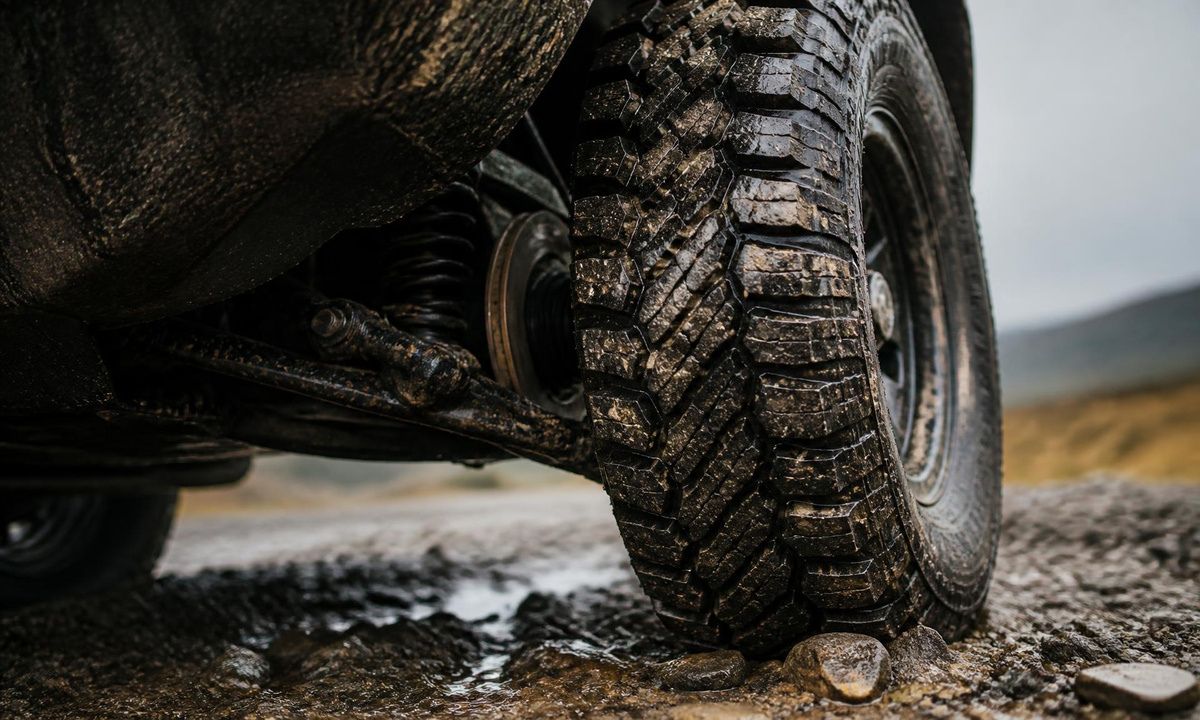
When engaged, X-Mode recalibrates five systems at once: throttle response, transmission gearing, AWD torque split, brake-based traction control, and hill descent management. Power arrives more gradually and the tires grip more deliberately than in normal driving. The dashboard then shows the status of each wheel and the systems working behind the scenes.
- Engine management — Floor the accelerator on ice or mud in normal mode and the throttle opens too fast, spinning the wheels before they find grip. With X-Mode on, the engine feeds torque in gradually, even at full throttle, until the sensors detect traction.
- AWD torque distribution — Symmetrical AWD normally splits power based on real-time traction readings. X-Mode increases the front-to-rear coupling force, distributing power more evenly between the axles, which matters most on a slick incline.
- CVT adjustments — The Lineartronic CVT usually shifts toward higher, efficiency-focused ratios. On steep or slippery terrain, X-Mode keeps it in lower gearing to maximize torque and control, the same principle as shifting a 4WD truck into low range.
- Brake control — X-Mode sharpens the Vehicle Dynamics Control system's limited-slip behavior. When a wheel starts to spin, the brake is applied to that specific wheel, pushing power toward the wheels that still have grip.
- Hill Descent Control — Takes over speed management on steep downhill grades below roughly 12 mph, handling throttle and braking automatically so you can focus entirely on steering.
Think of AWD as the car's constant background safety net, and X-Mode as the extra layer you engage deliberately when that net needs reinforcing.
When should you use X-Mode?
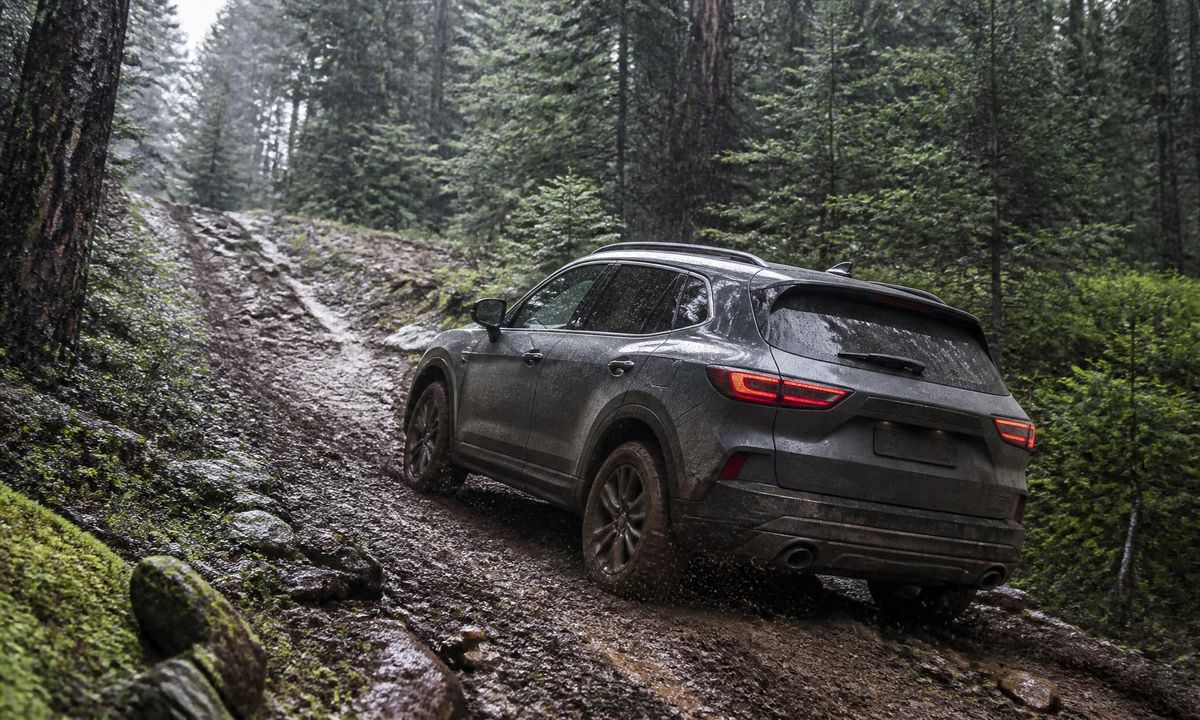
X-Mode earns its keep in low-speed situations where a single wheel losing grip could stall your progress or send the car sliding. In each case it coordinates the same throttle, transmission, AWD, and brake adjustments to keep the tires working together. Snow rewards gradual throttle delivery, which keeps a heavy foot from triggering wheelspin the moment traction drops. Ice favors the brake-based intervention, which reacts faster than AWD alone to redirect power before the car drifts. Mud wants steady torque over sudden bursts, and the lower gearing keeps momentum consistent so you don't dig in. Steep hills benefit from the added front-to-rear coupling on the way up and Hill Descent Control on the way down. Loose gravel and washboard forest roads stay tracking straight thanks to the same gradual throttle. And wet grass, the kind you meet on campsite access roads, behaves like light mud, so the coordinated adjustments apply just as well off-trail as on a snowy driveway.
When should you avoid using X-Mode?
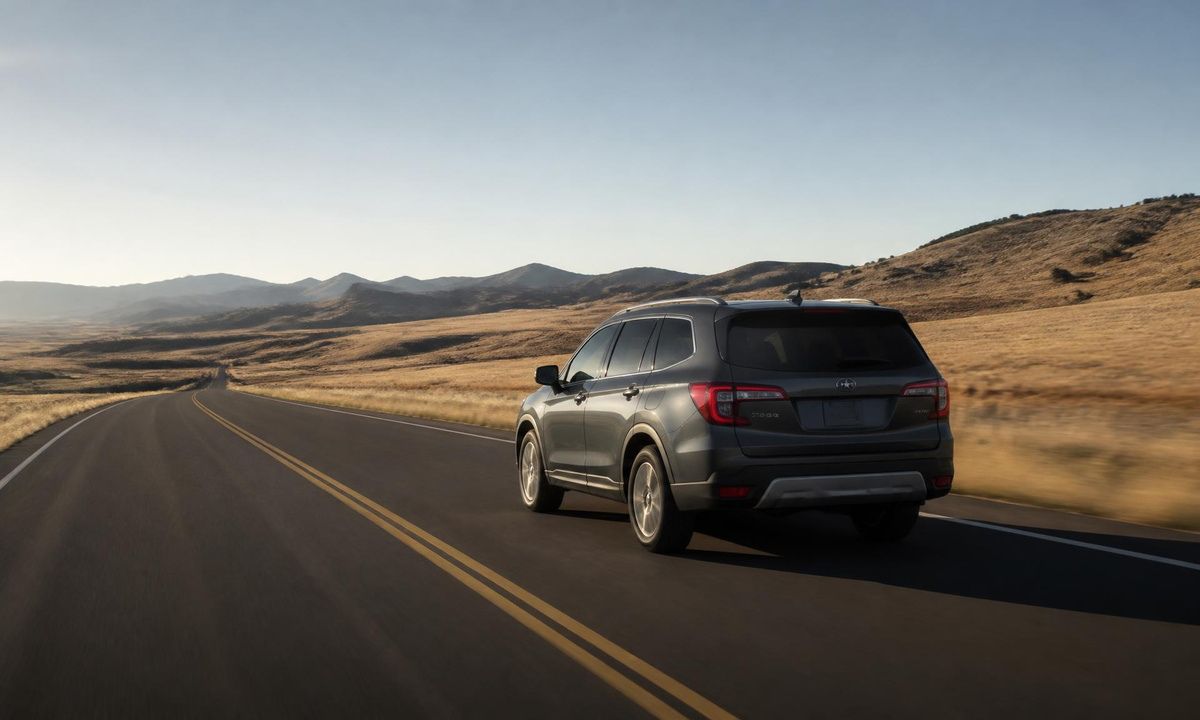
X-Mode is built for low-speed, low-traction conditions, so leaving it on for ordinary driving works against you. On dry pavement, it functions only below about 18 mph and has nothing to correct — grip is already sufficient, and engaging it just adds throttle lag with no benefit. At highway speeds, the system is calibrated for low speeds and disengages once you pass its threshold, so it offers no help and is not meant to be used there. For normal city driving, the standard Symmetrical AWD already handles everyday wet or dry pavement without any input from you. Saving X-Mode for genuinely slippery or steep conditions keeps the drivetrain behaving normally the rest of the time, and it saves a little fuel too.
Standard vs Dual Function X-Mode
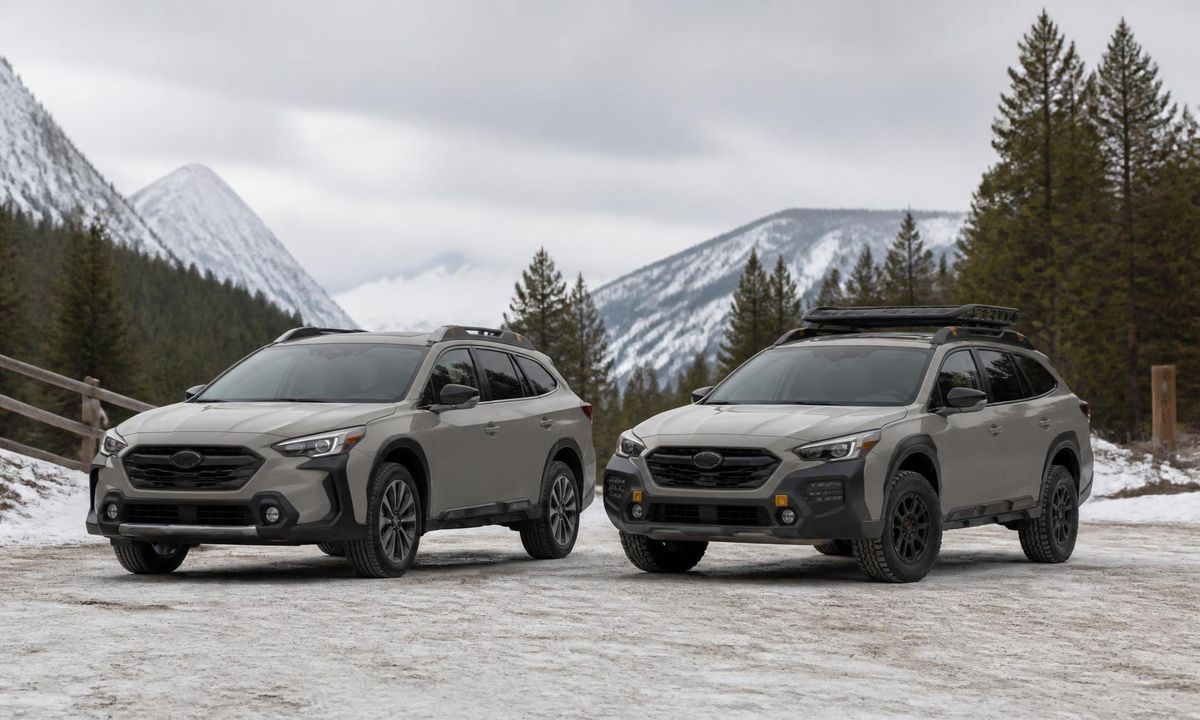
Standard X-Mode gives every Outback trim one all-purpose traction setting. Dual Function X-Mode, exclusive to the Wilderness trim on the current generation, adds two selectable modes plus a retuned calibration that allows more wheel slip for tougher terrain.
| Feature | Standard X-Mode | Dual Function X-Mode |
|---|---|---|
| Modes | Single setting | Snow/Dirt and Deep Snow/Mud |
| Trim availability | Premium, Limited, Touring, Limited XT, Touring XT | Wilderness |
| Built for | General low-traction conditions | Deep snow, mud, and rough backcountry |
Standard X-Mode is what most buyers get: the full set of throttle, transmission, AWD, and brake adjustments tuned as a single all-around setting. Dual Function X-Mode adds Snow/Dirt and Deep Snow/Mud modes, retuned to allow a bit more slip when you need it. That extra slip sounds backward, but letting the wheels turn is often what pulls a vehicle out of deep snow or mud rather than sinking it deeper. Snow/Dirt is the lighter setting for packed snow and gravel; Deep Snow/Mud is the more aggressive one for genuinely soft or unplowed terrain. Neither is objectively better — they serve different drivers.
X-Mode vs AWD: what's the difference?
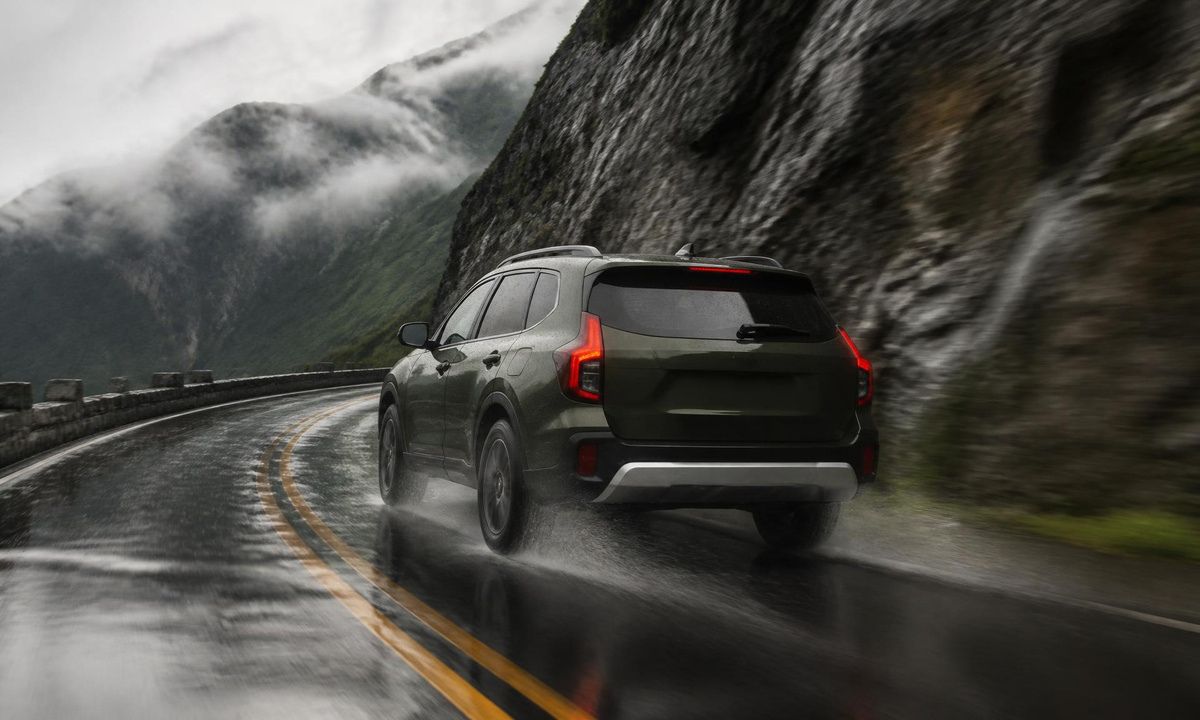
Symmetrical AWD runs constantly in the background on every Outback, redistributing power the instant a wheel loses grip. It needs no input and works at any speed. Its job is simple: monitor each wheel and shift power toward whichever ones still have traction.
X-Mode is a driver-activated overlay on top of that system. It works only below roughly 18 mph and has to be switched on deliberately. Rather than adjusting power distribution alone, it reshapes throttle response, transmission gearing, and brake intervention at the same time. On a rainy commute, AWD does all the work invisibly. On an icy driveway or a muddy trailhead, X-Mode adds a second layer of control, then steps aside automatically once you climb back above its speed threshold and hands everything back to standard AWD.
Which Subaru Outback models include X-Mode?

Every 2026 Outback trim comes with standard X-Mode as base equipment, and one trim, the Wilderness, steps up to Dual Function. The old Base trim has been discontinued for the seventh-generation redesign, and Premium now serves as the entry point.
| Trim | Starting MSRP | X-Mode type |
|---|---|---|
| Premium | $34,995 | Standard |
| Limited | $41,715 | Standard |
| Limited XT | $44,365 | Standard |
| Wilderness | $44,995 | Dual Function |
| Touring | $45,395 | Standard |
| Touring XT | $47,995 | Standard |
MSRP excludes destination and delivery, and pricing is subject to change. Premium gets the same core traction system found throughout the lineup. Limited and Touring add comfort and technology but keep the single-mode calibration. The XT trims pair standard X-Mode with a turbocharged 2.4-liter engine making 260 horsepower. Only the Wilderness carries Dual Function X-Mode, alongside raised suspension, extra ground clearance, and all-terrain tires. The old Base and the Onyx Edition, which once carried Dual Function on earlier generations, are both absent from the 2026 lineup, so confirm the model year before trusting an older listing.
Common mistakes drivers make with X-Mode
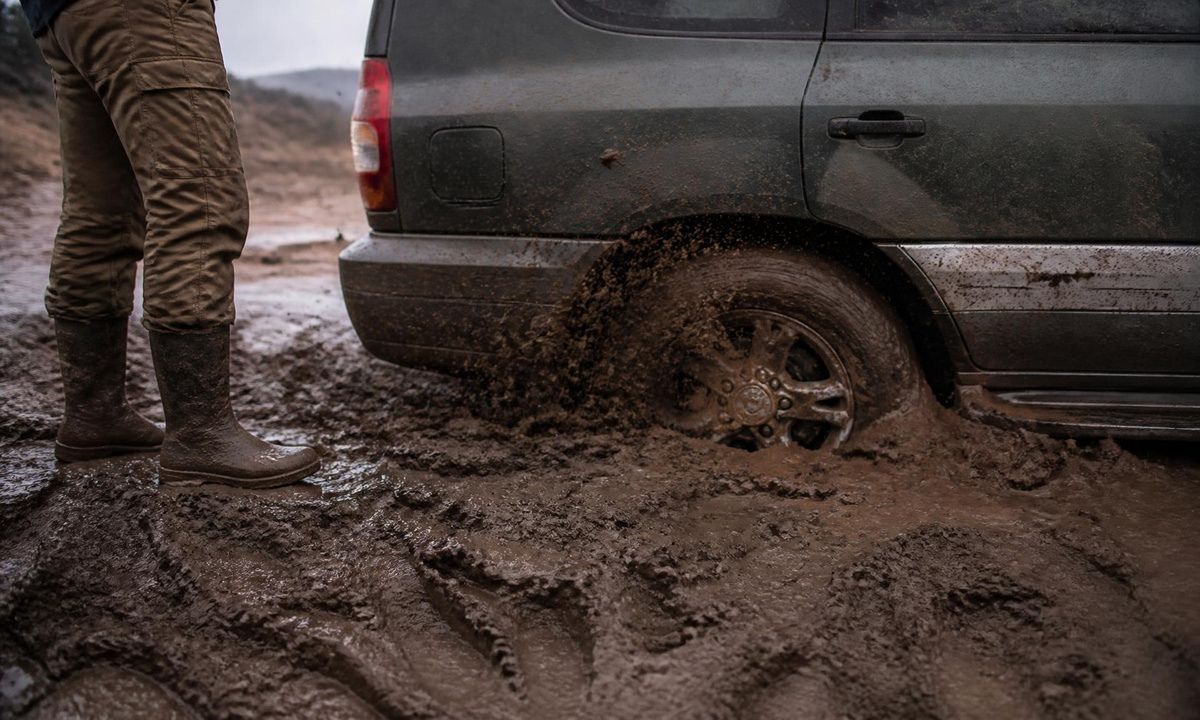
Most X-Mode complaints trace back to a few avoidable habits. Leaving it on for weeks after a storm does no damage, but it does nothing above its operating speed and burns slightly more fuel, so switch it off when the weather clears. Using it at high speeds is a common misunderstanding — it is calibrated for low-speed traction problems only and gives no benefit on the highway. Expecting it to replace winter tires misreads what it does; X-Mode manages how power reaches the wheels, not how much rubber meets the road, and dedicated winter tires remain the bigger factor in cold traction. And ignoring terrain limits invites trouble, because X-Mode cannot add the ground clearance or wheel articulation a crossover simply does not have. Deep water, boulder fields, and rock ledges are beyond it, even with Dual Function.
Final verdict: is Subaru X-Mode worth using?

X-Mode is a genuinely useful, no-cost traction system rather than a gimmick. It earns its place on snowy roads, muddy trails, and steep gravel grades where standard AWD alone would need help. In its favor: it runs automatically once engaged, adds real control on hills and loose surfaces, and comes standard on every trim at no extra cost. Where it falls short: it only functions at low speeds, it does not replace winter tires, and the Dual Function modes are tied to the Wilderness rather than offered across the lineup.
For most owners, Standard X-Mode covers everyday winter and backroad driving comfortably. Buyers who regularly leave pavement altogether are the ones who benefit most from stepping up to the Wilderness and its Dual Function system.
What does X-Mode do on a Subaru Outback?▾
It coordinates throttle response, transmission gearing, AWD torque distribution, and brake-based traction control into one system to improve grip on snow, mud, gravel, and steep grades at low speeds.
Is X-Mode different from AWD?▾
Yes. AWD runs constantly at any speed, redistributing power automatically. X-Mode is a driver-activated overlay that works only below roughly 18 mph and adjusts several systems at once.
Can I use X-Mode on dry roads?▾
You can turn it on, but it will not do anything useful. Dry pavement already has enough grip, and leaving it on uses a little more fuel.
Does X-Mode work in deep snow?▾
Standard X-Mode handles typical snow. For genuinely deep or fresh snow, the Wilderness trim's Deep Snow/Mud mode is calibrated for more aggressive intervention.
What is the difference between Standard and Dual Function X-Mode?▾
Standard offers one all-purpose setting. Dual Function adds Snow/Dirt and Deep Snow/Mud modes retuned for tougher terrain, exclusive to the Wilderness.
Which Subaru Outback trims have Dual Function X-Mode?▾
Only the Wilderness on the current generation. Every other 2026 trim gets the standard, single-mode version.
Does X-Mode automatically turn off at higher speeds?▾
Yes. It functions only below about 18 mph and hands control back to standard AWD once you go above that threshold.
Continue researching Outback ownership
Continue reading